
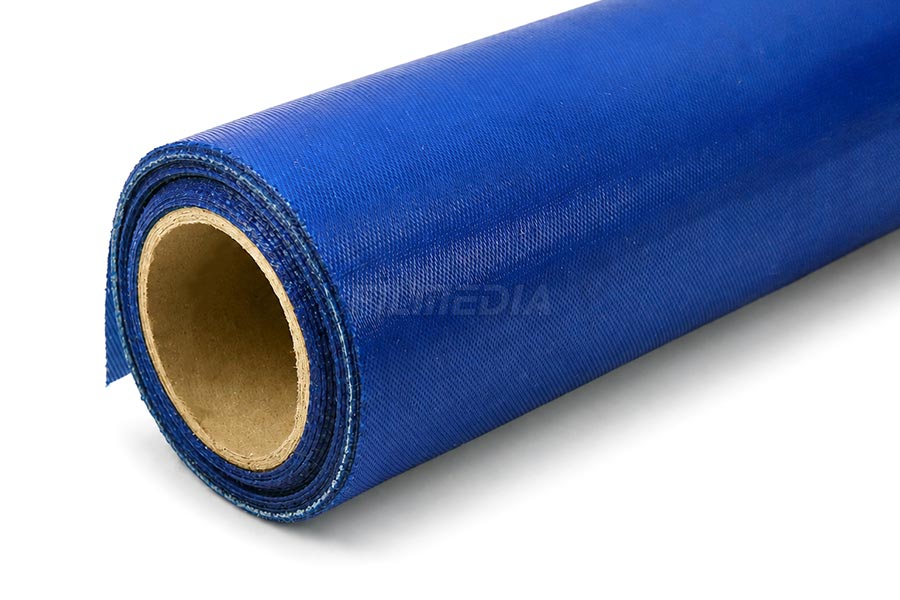
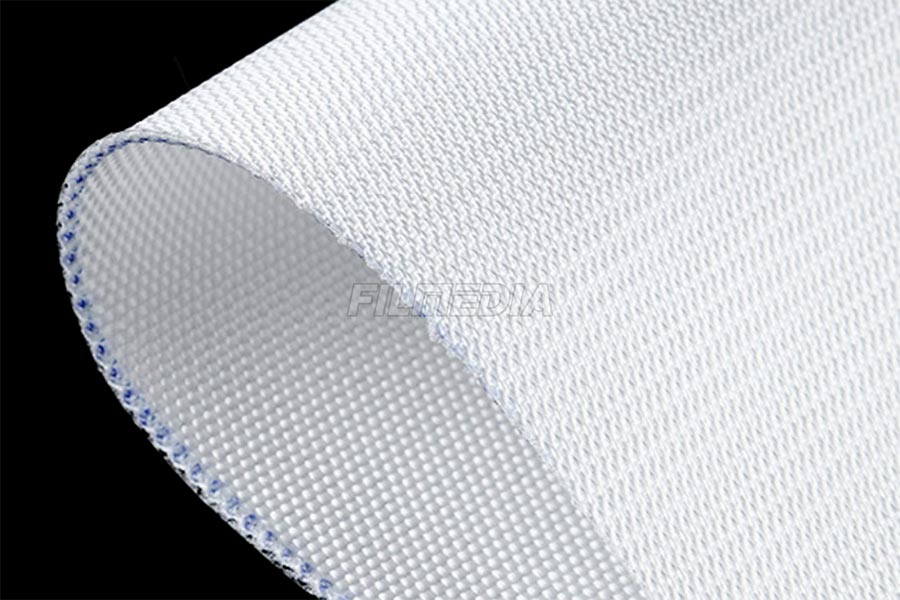
Woven Polyester Filter Cloth for Solid-Liquid Separation
Polyester woven filter cloth is an industrial filter medium made from polyester (PET) (polyethylene terephthalate), widely used in solid-liquid separation and gas-solid filtration processes. Due to its excellent mechanical strength, chemical stability, and processability, polyester filter cloth has become one of the most commonly used filter materials in equipment such as filter presses and centrifuges. The molecular structure of polyester consists of rigid benzene rings and flexible aliphatic chain segments, giving the material a balanced combination of strength and toughness. Strong intermolecular forces and high crystallinity provide the following key properties:
☑ High tensile strength and dimensional stability under pressure.
☑ Excellent wear resistance for long-term continuous operation.
☑ Good chemical inertness against weak acids, oxidants, and most organic solvents.
☑ Low moisture absorption, ensuring stable filtration performance.
Description
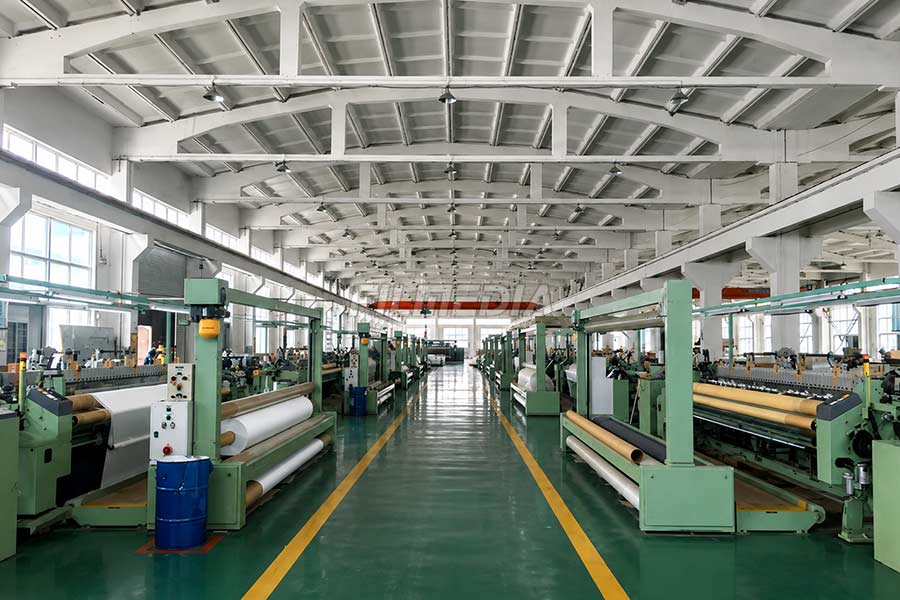
As a premium woven filter cloth manufacturer, Fillmedia® leverages its extensive industry experience and team of technical experts to deeply understand filtration needs under diverse operating conditions. We provide scientifically rigorous, practical, reliable, and customized filtration solutions to meet our customers’ specific application requirements. We offer comprehensive technical support covering material selection, product design, and process optimization, aiming to improve filtration efficiency, extend product lifespan, and reduce overall operating costs.
Yarn Structure
| Fabric Type | Structural Features | Filtration Performance | Key Applications |
| Monofilament | Woven from single, smooth, and uniform continuous filaments in both warp and weft. | Clear pores, non-blinding (resistant to clogging), fast drainage. Excellent cake release and long service life with easy regeneration. | Processes with coarser particles requiring rapid discharge and frequent backwashing. |
| Multifilament | Woven from yarns made of multiple fine fibers twisted together (available in staple and filament fibers). | Superior retention of fine particles and extremely high tensile strength. However, it is more prone to clogging and harder to discharge than monofilament. | Fine particle capture and high-pressure filtration conditions. |
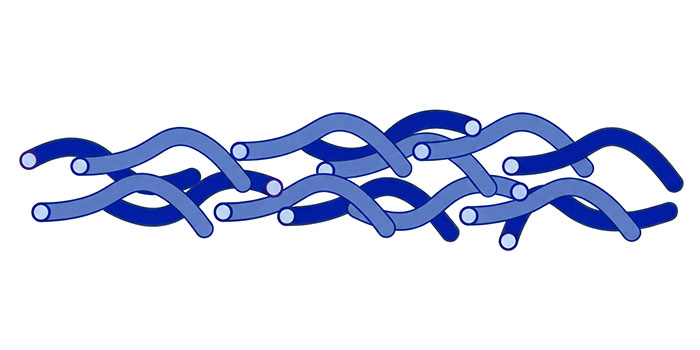
Polyester Multifilament Staple Fiber
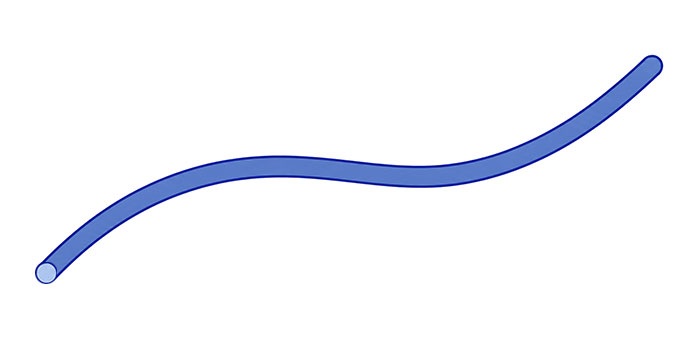
Polyester Monofilament Filament Fiber
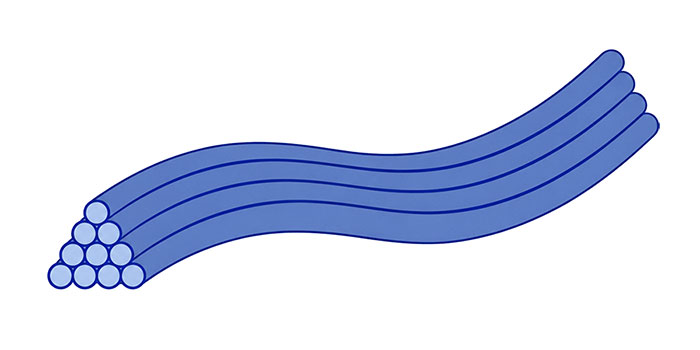
Polyester Multifilament Filament Fiber
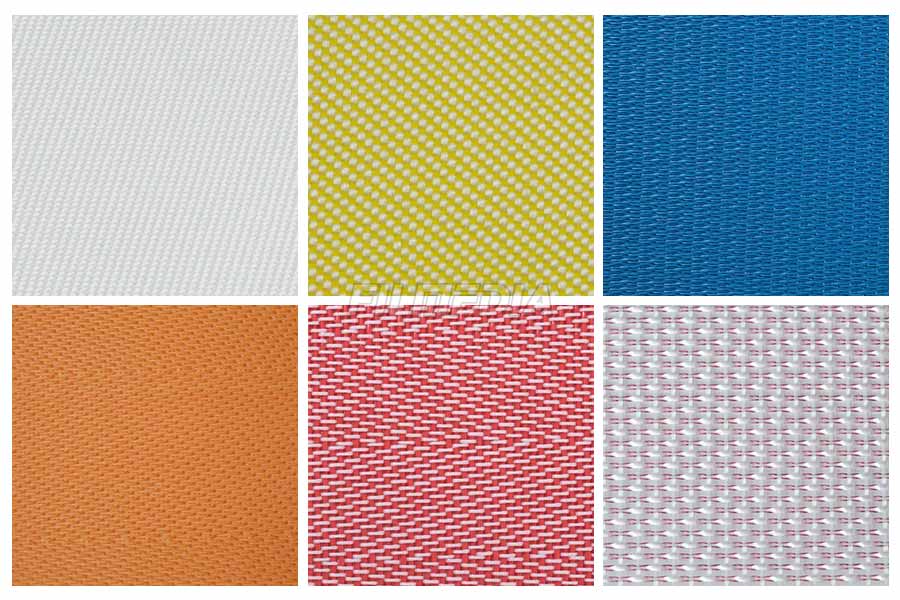
Common Weave Patterns
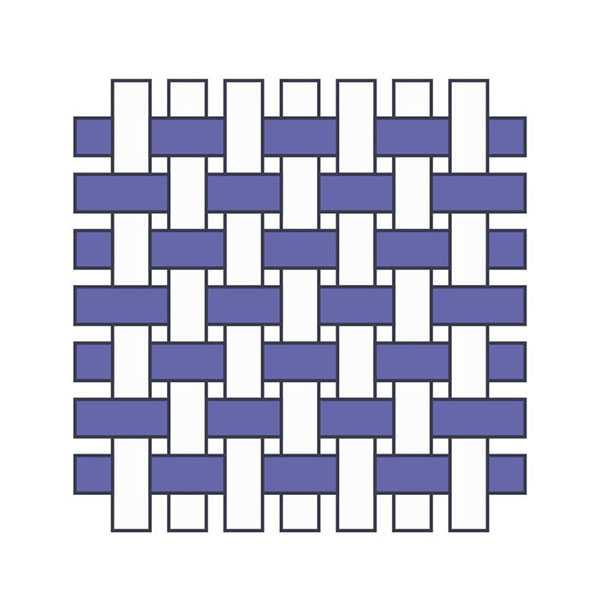
Plain Weave
- Tight structure with high filtration accuracy
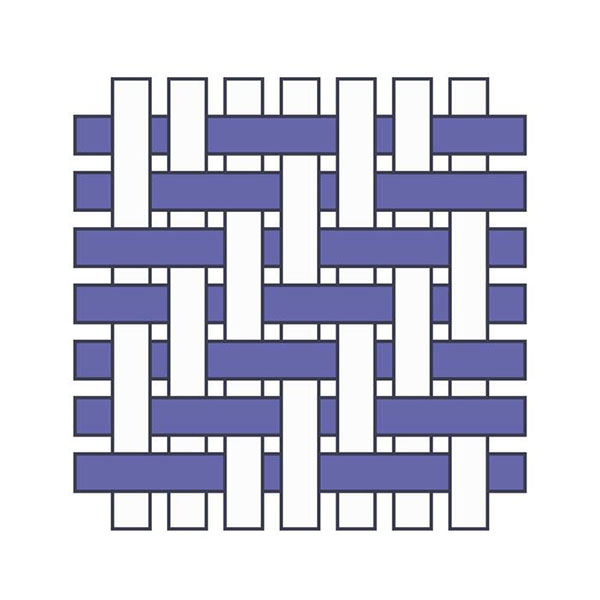
Twill Weave
- Balanced permeability and anti-clogging performance
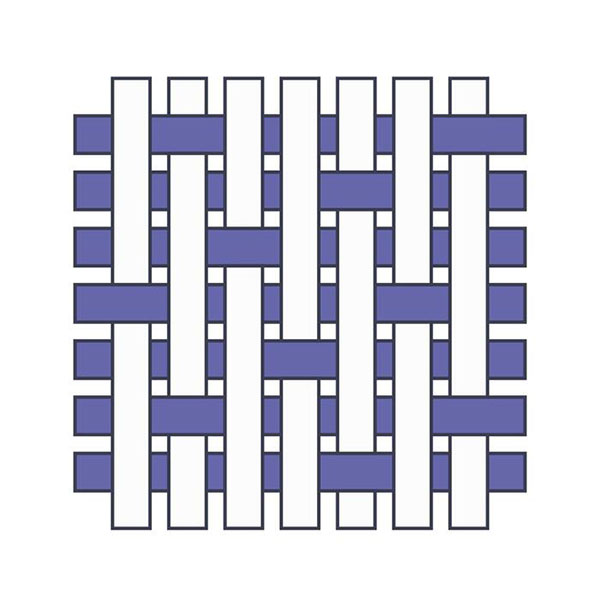
Satin Weave
- Smooth surface for improved cake release
Polyester Long Fiber Filter Cloth
| Model | Material | Weave | Weight (g/m²) | Density (warp) | Density (weft) | Thickness (mm) | Tensile Strength (N/5×20cm warp) | Tensile Strength (N/5×20cm weft) | Elongation (warp %) | Elongation (weft %) | Air Permeability |
|---|---|---|---|---|---|---|---|---|---|---|---|
| 01 | Polyester multifilament | Plain weave | 125.6 | 260 | 221.6 | 0.27 | 136.3 | 111.6 | 34.2 | 15.7 | 130.6 |
| 02 | Polyester multifilament | Plain weave | 240 | 220 | 188 | 0.42 | 2162.6 | 1082.6 | 32.03 | 24.87 | 36.1 |
| 03 | Polyester multifilament | Plain weave | 280 | 228 | 157 | 0.47 | 2218 | 1796 | 35.63 | 20.27 | 12.88 |
| 04 | Polyester multifilament | Plain weave | 390 | 188 | 137 | 0.63 | 2368 | 2069.4 | 46.83 | 33.9 | 11.34 |
| 05 | Polyester multifilament | Plain weave | 455 | 220 | 149 | 0.61 | 3501.75 | 2640.75 | 49.23 | 31.1 | 10.08 |
| 06 | Polyester multifilament | Plain weave | 520 | 74 | 78 | 0.69 | 5368.7 | 6084.1 | 13.81 | 21.42 | 32.18 |
| 07 | Polyester multifilament | Plain weave | 350 | 157 | 110 | 0.51 | 4323.4 | 3742.6 | 21.43 | 16.1 | 11.6 |
| 08 | Polyester multifilament | Plain weave | 400 | 188 | 110 | 0.5 | 4601.4 | 3818 | 31.97 | 21.3 | 12.35 |
| 09 | Polyester multifilament | Twill weave | 210 | 314 | 267 | 0.27 | 1763.9 | 1459 | 25 | 28.83 | 59.4 |
| 10 | Polyester multifilament | Twill weave | 1490 | 259 | 125 | 1.75 | 11648.5 | 7175 | 51 | 20.87 | 26.91 |
| 11 | Polyester multifilament | Net | 260 | 141 | 78 | 0.44 | 4202.6 | 1280 | 19.6 | 21.43 | 334 |
Polyester Short Fiber Filter Cloth
| Model | Material | Weave | Weight (g/m²) | Density (warp/10cm) | Density (weft/10cm) | Thickness (mm) | Tensile Strength(N/5×20cm warp) | Tensile Strength(N/5×20cm weft) | Elongation (warp %) | Elongation (weft %) | Air Permeability (L/m²·s) |
|---|---|---|---|---|---|---|---|---|---|---|---|
| 01 | Polyester short fiber | Crepe weave | 380 | 271 | 286 | 1.36 | 2230 | 1550 | 21.62 | 18.73 | 168 |
| 02 | Polyester short fiber | Crepe weave | 360 | 216 | 236 | 1.05 | 2007.3 | 800.7 | 23.07 | 19.43 | 318 |
| 03 | Polyester short fiber | Plain weave | 380 | 314 | 204 | 0.83 | 3310 | 1339.4 | 22.65 | 19.47 | 96.75 |
| 04 | Polyester short fiber | Satin weave | 310 | 295 | 200 | 0.66 | 2388.6 | 1612.6 | 19.67 | 15.77 | 217 |
| 05 | Polyester short fiber | Plain weave | 270 | 204 | 141 | 0.53 | 2270.7 | 2626.3 | 33.1 | 18.47 | 331.7 |
| 06 | Polyester short fiber | Twill weave | 645 | 220 | 110 | 1.25 | 5767.5 | 3806.7 | 37.4 | 17.53 | 125.75 |
| 07 | Polyester short fiber | Twill weave | 295 | 251 | 173 | 0.6 | 2355 | 1425 | 25.6 | 23.2 | 219 |
| 08 | Polyester short fiber | Plain weave | 210.7 | 232 | 190 | 0.48 | 1936 | 730 | 29.1 | 22.9 | 77.2 |
| 08 | Polyester short fiber | Plain weave | 275 | 250 | 165 | 0.5 | 2244.3 | 1371.3 | 30.87 | 14.6 | 37.11 |
| 10 | Polyester short fiber | Plain weave | 370 | 196 | 165 | 0.65 | 2721 | 2408 | 44.2 | 21.3 | 25 |
| 11 | Polyester short fiber | Plain weave | 615 | 157 | 110 | 1.05 | 3227 | 2544 | 60 | 23 | 25 |
| 12 | Polyester short fiber | Satin weave | 324.6 | 306 | 206.2 | 0.71 | 3175.8 | 2184.6 | 23.5 | 21.3 | 126.7 |
| 13 | Polyester short fiber | Twill weave | 358.9 | 246.4 | 321.6 | 0.89 | 2092 | 2654 | 32 | 28 | 102.7 |
| 14 | Polyester short fiber | Twill weave | 990 | 248 | 94 | 1.5 | 7743 | 3842 | 39 | 17 | 12 |
Post-Treatment Processes
Once woven, the greige fabric must undergo precise finishing processes to fully unlock and optimize its physical potential.
☑ Heat Setting
Treating the fabric under specific temperatures and tension eliminates internal stresses generated during weaving and locks the yarn geometry.
☑ Calendering
Passing the fabric through heated rollers flattens its surface, making the contact face smoother to minimize adhesion and ensure effortless cake release.
☑ Edge Sealing
Utilizing laser or hot-melt technologies secures the edges, preventing fraying or media leakage during cutting and operation.
Industrial Applications
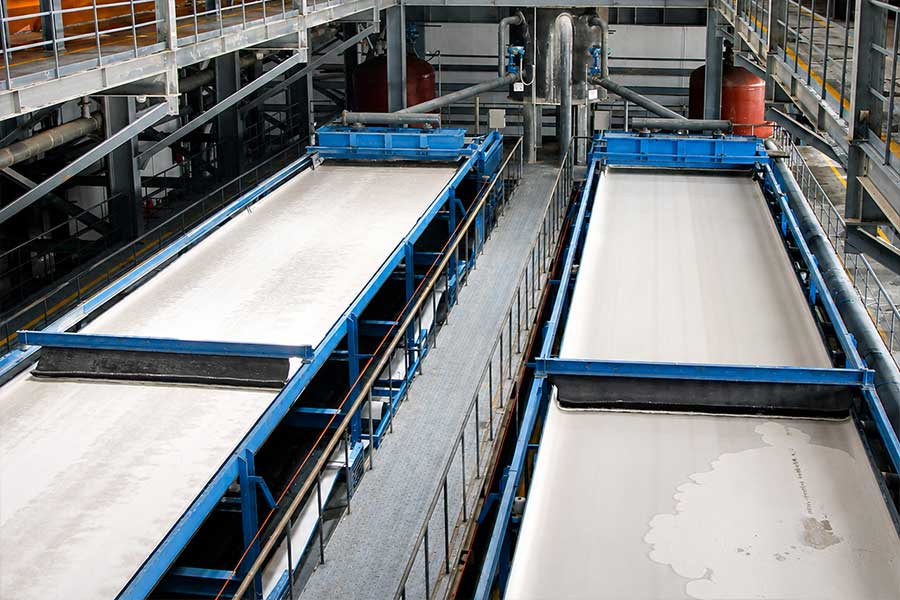
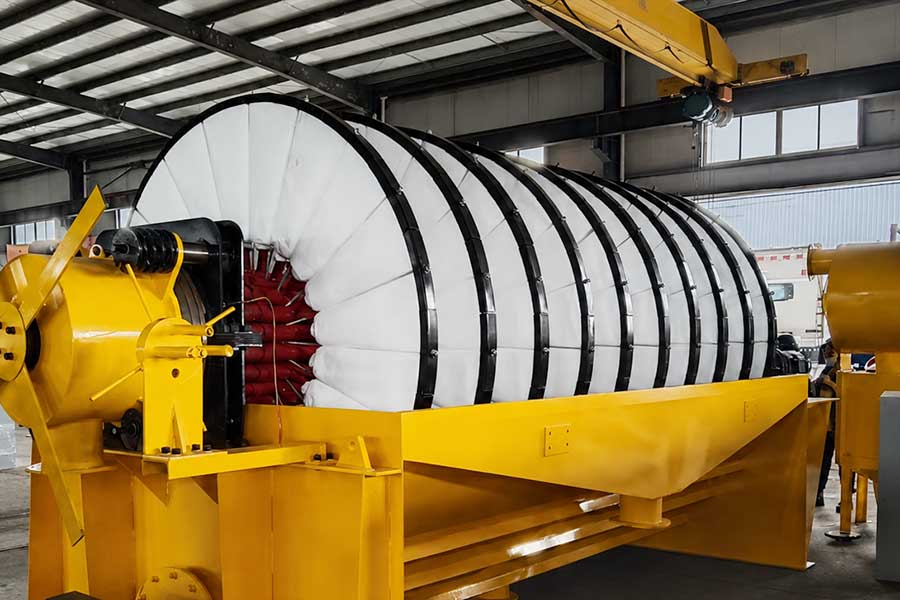
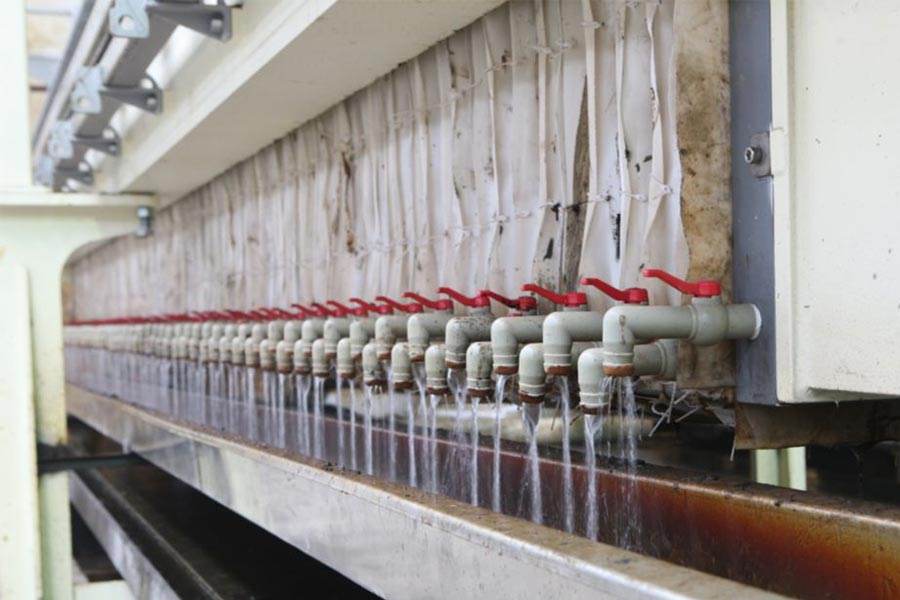
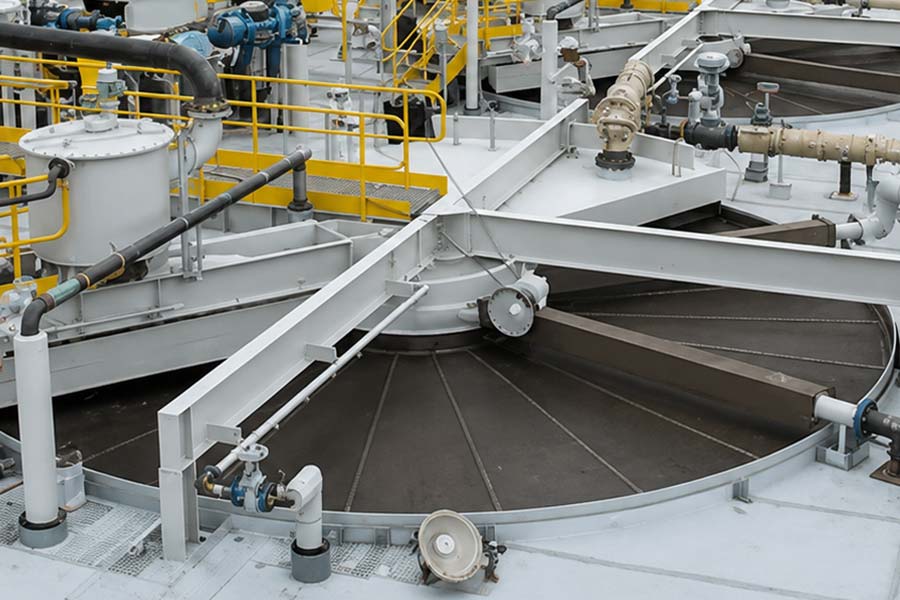
As a mainstream medium for solid-liquid and gas-solid separation, polyester filter fabrics are widely equipped in filter presses, centrifuges, belt filters, and rotary drum filters, serving the following industries:
Chemical manufacturing, dyestuffs, phosphate fertilizers, catalysts, and flue gas desulfurization (FGD) in power plants.
Iron and steel, metallurgy, mineral processing, non-ferrous metals, mining, construction, and cement.
API (Active Pharmaceutical Ingredients) separation, sugar refining, food processing, and edible oil refining.
Wastewater treatment, sludge dewatering, geological exploration, ceramics, and industrial dust collection.