
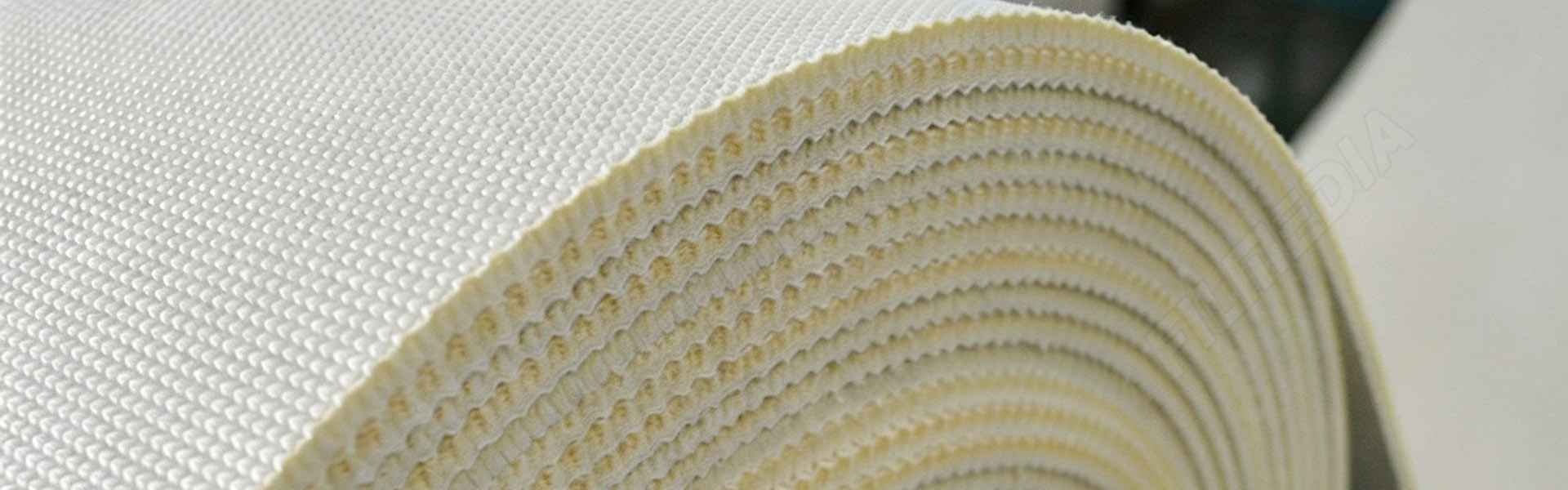
Air Slide Fabrics
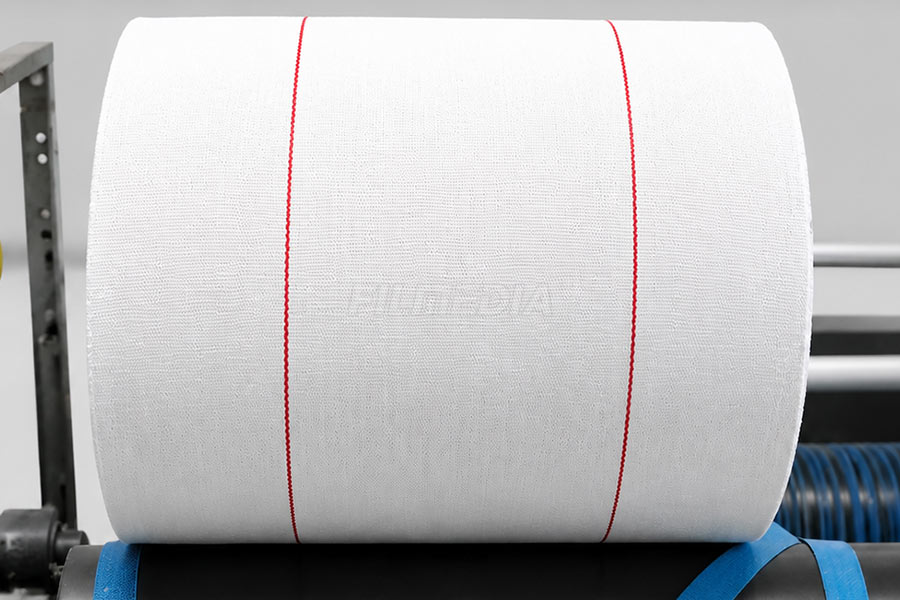
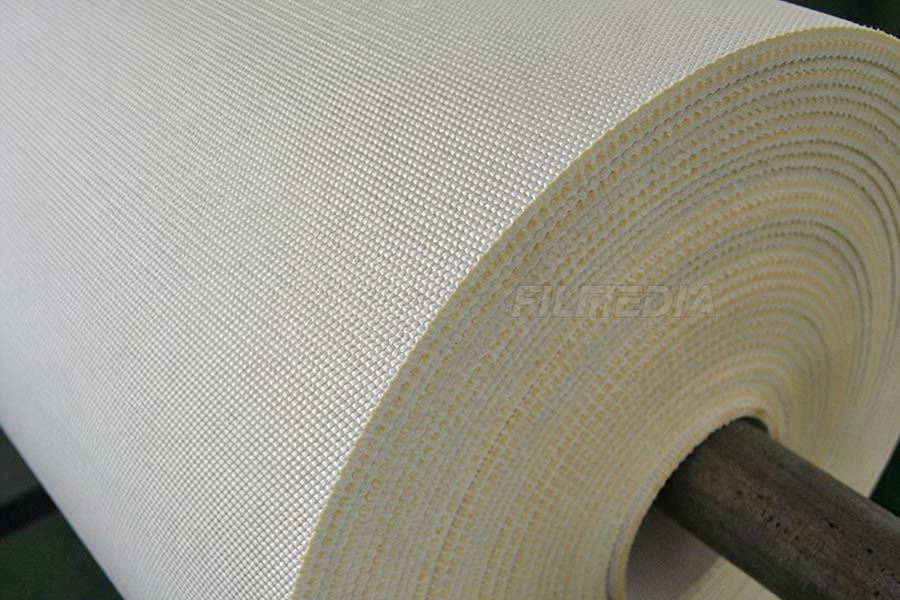
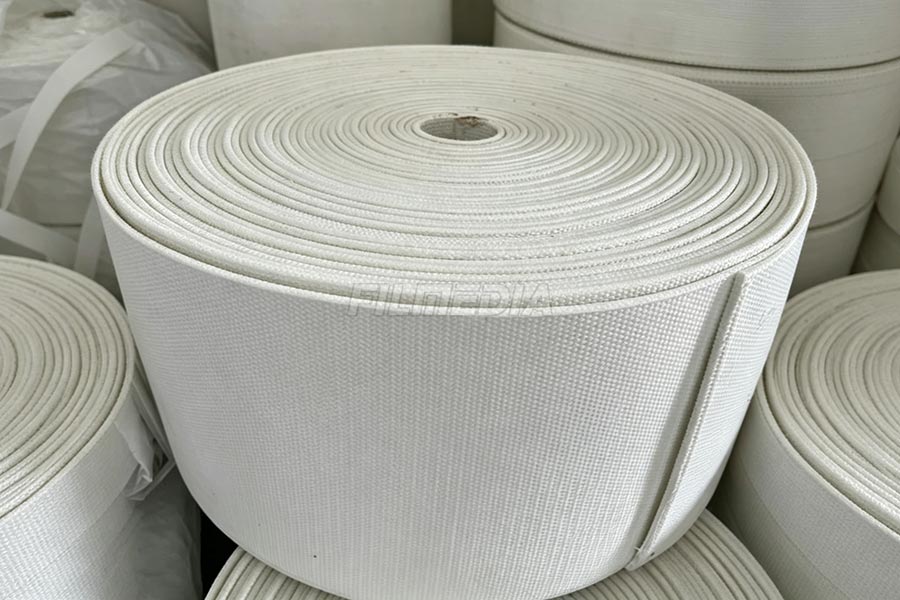
Air slide fabric, also known as fluidizing fabric, air slide canvas, aeration fabric, air permeable fabric, fluidizing cloth, or air slide cloth, is a specialized woven material designed for pneumatic conveying systems. It is manufactured from high-quality yarns and heat- and corrosion-resistant fibers using advanced weaving technology. As the core component of an air slide conveying system, Air Slide Fabric distributes compressed air evenly through its porous structure, fluidizing dry bulk powders and allowing them to flow smoothly with minimal energy consumption. It significantly improves conveying efficiency, reduces equipment wear, and ensures stable, dust-free material transportation.
Working Principle
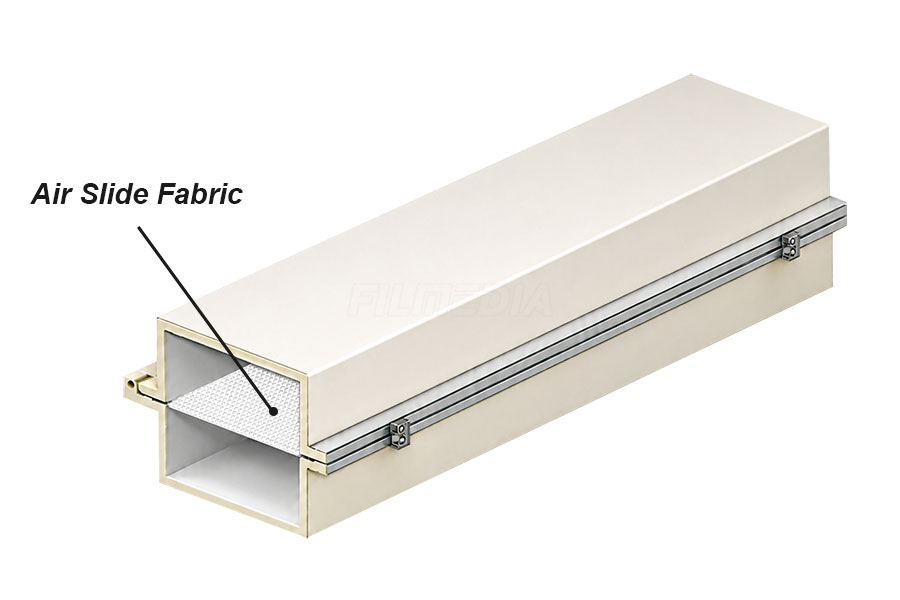
Air slide fabric is installed between the material chamber and the air chamber inside an air slide conveyor. Compressed air passes through the porous fabric and evenly fluidizes the powdered material above it. Once fluidized, the material behaves like a liquid and flows smoothly along the inclined air slide under gravity, without the need for mechanical conveying components. Air Slide Fabrics are typically installed in sections, allowing convenient installation, replacement, and maintenance while ensuring a tight seal throughout the conveying system.
Chute Dimension Matching
The width and length of the air slide fabric must precisely match the internal dimensions of the air slide chute. Improper sizing can result in wrinkles that cause material buildup or excessive tension that may lead to fabric tearing, reducing conveying efficiency and service life.
Operating Air Pressure
The working air pressure should be matched to the requirements of the pneumatic conveying system, typically ranging from 0.02 to 0.10 MPa. Excessive air pressure may cause the fabric to bulge excessively and increase the risk of tearing, while insufficient pressure can result in inadequate fluidization, reducing material flow and overall conveying performance. Proper air pressure is essential for stable, efficient, and reliable system operation.
Specifications
| Item | Specification |
|---|---|
| Materials | Polyester woven fabric, Aramid woven fabric, Basalt woven fabric |
| Width | Max. 2.4m |
| Thickness | 4–10mm |
| Air permeability | Customized |
| Tensile strength | Customized |
Why Choose Filmedia® Air Slide Fabric?
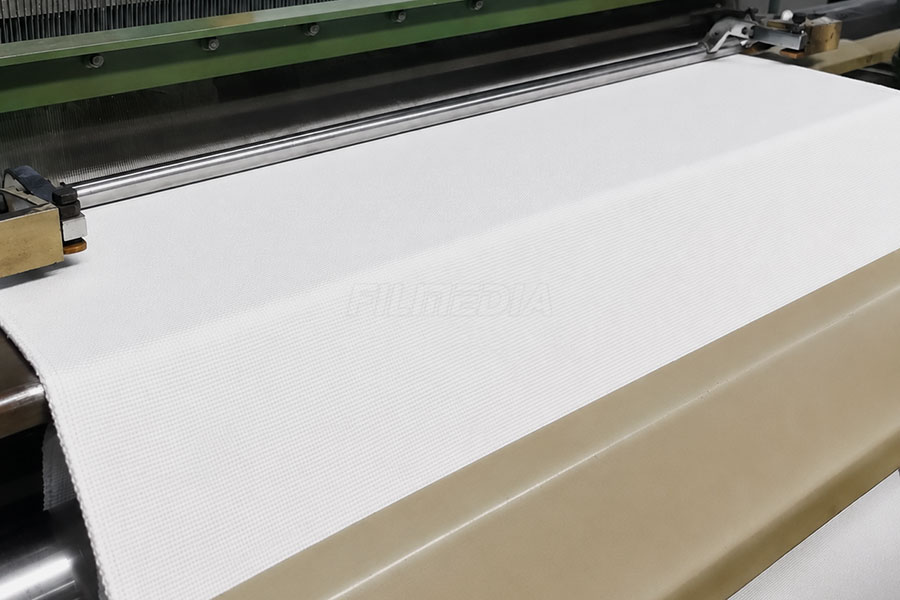
Filmedia® air slide fabrics are manufactured from premium synthetic fibers using advanced integral weaving technology to provide reliable performance under demanding industrial conditions.
- Uniform air permeability for stable material fluidization.
- Smooth and even fabric surface to minimize airflow resistance.
- Excellent sealing performance with minimal dimensional tolerance.
- Integral woven construction without delamination.
- High tensile and compressive strength.
- Outstanding resistance to abrasion, heat, and chemical corrosion.
- Stable structure without stretching or deformation.
- No powder leakage during operation.
- Long service life with reduced maintenance costs.
Material Classification
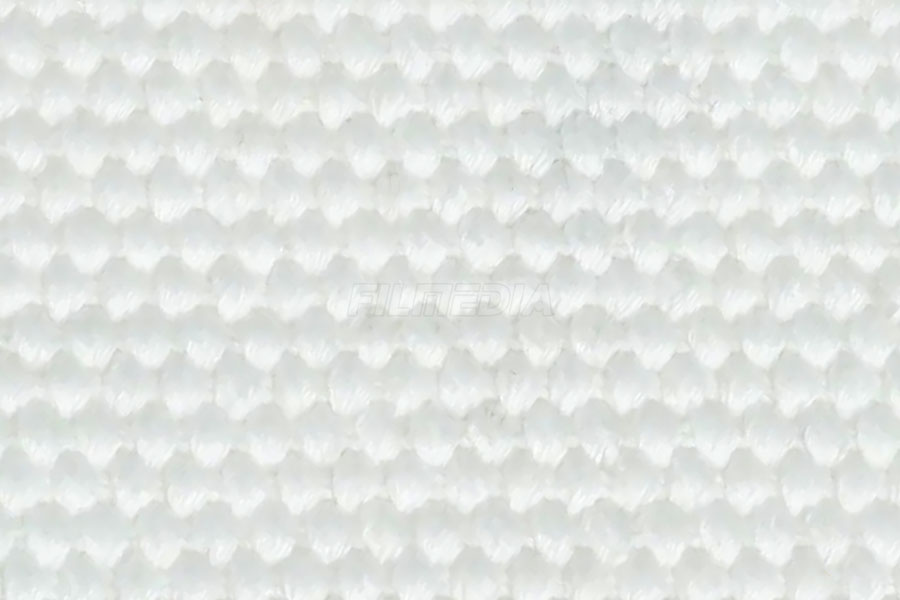
- Features: Offers exceptional tensile strength, excellent abrasion resistance, and high cost-effectiveness. It is the most widely used material for standard industrial conditions.
- Applicable Temperature: -60~150℃, instantaneous 200℃.
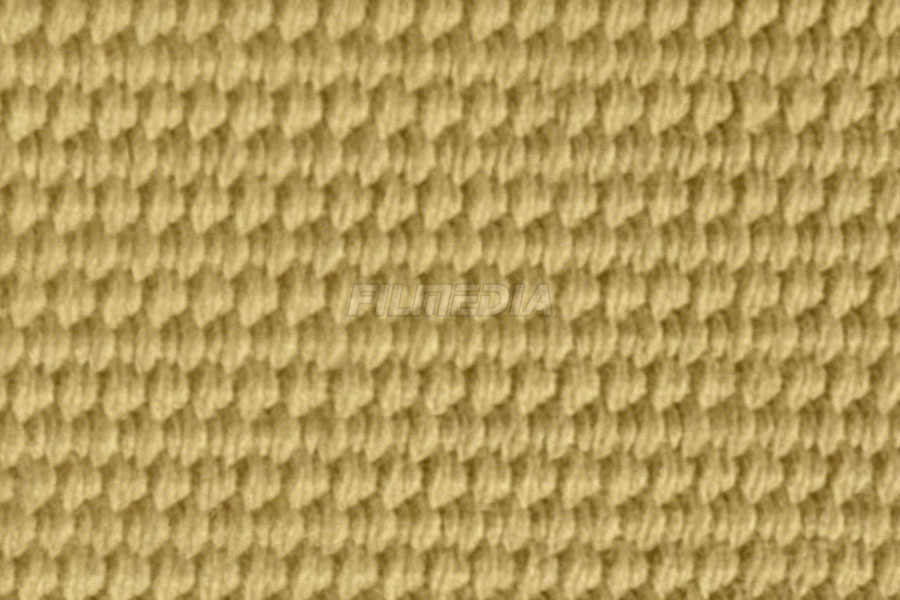
- Features: Exhibits outstanding high-temperature resistance (capable of long-term operation above 200°C) and excellent chemical stability.
- Applicable Temperature: -60~200℃, instantaneous 260℃.
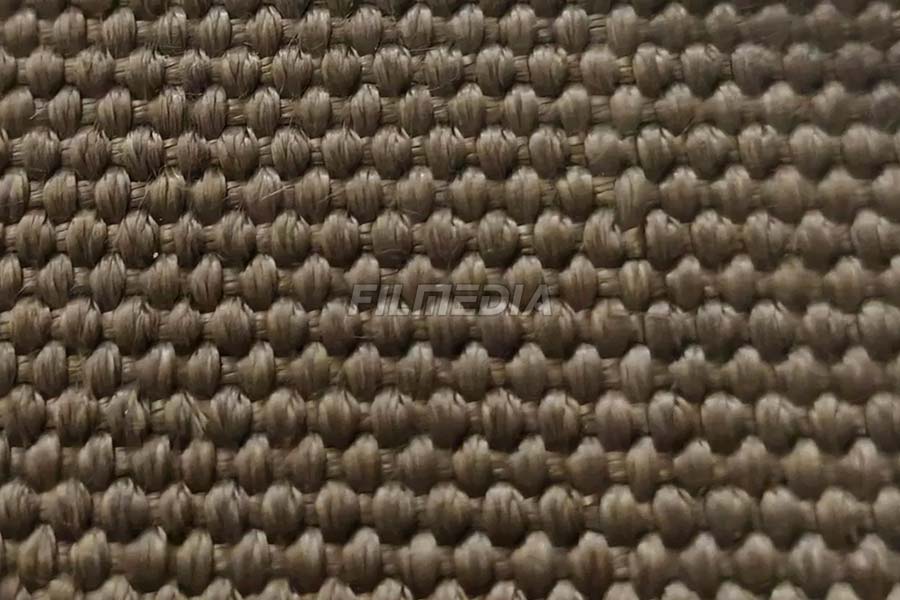
- Features: Provides extreme resistance to severe abrasion, ultra-high temperatures, and corrosion. Engineered specifically for harsh mining and metallurgical environments.
- Applicable Temperature: -260~700℃.
Fabric Jointing Methods
Proper fabric jointing is critical for maintaining stable airflow and conveying performance. The appropriate jointing method should be selected according to operating conditions and system requirements. We make different connections for the canvas belt.

Overlap Joint
This method offers simple and fast installation, making it suitable for standard applications; however, the overlapping thickness at the seam may cause slight airflow variations during operation.
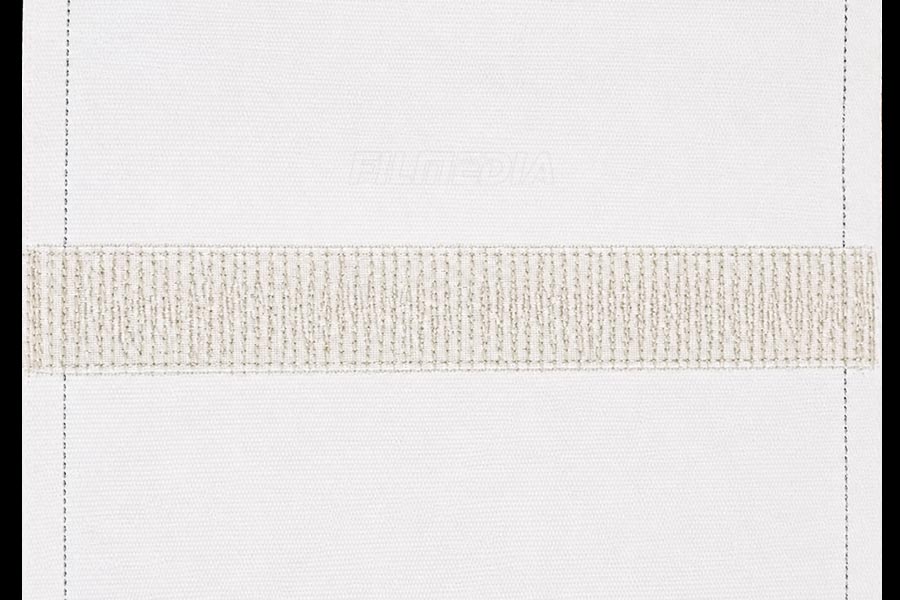
Sewn Joint
This method provides a tighter connection and superior sealing performance to ensure a more uniform airflow distribution, making it highly recommended for demanding industrial applications.
Solutions for Extreme Operating Conditions
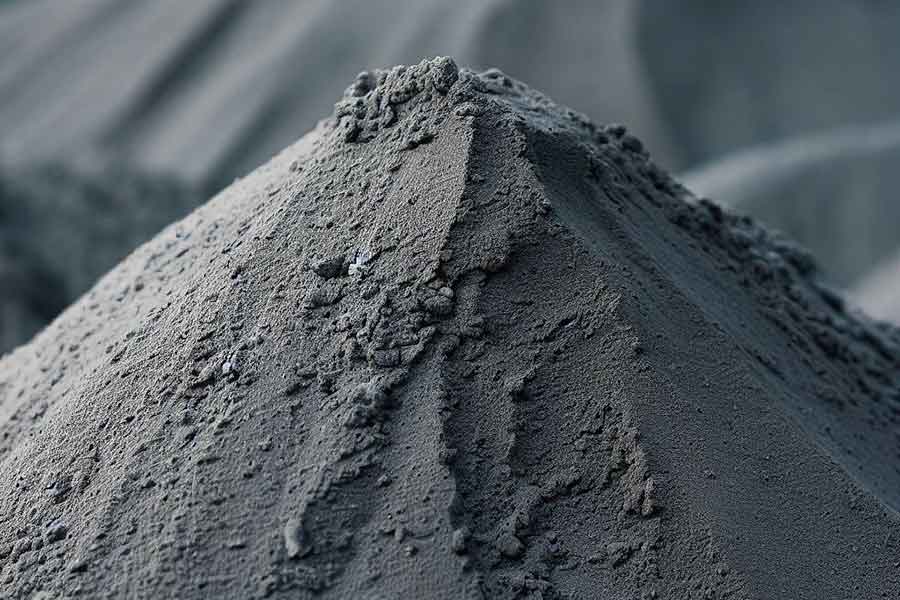
Heavy & Abrasive Materials
(e.g., cement clinker, iron ore powder, quartz sand)
Challenge: High material density (>2.5 g/cm³) and hardness cause continuous abrasion and impact, resulting in rapid fabric wear.
Recommended Solution: Use high-weight, high-density polyester or basalt solid-woven fabrics to maximize abrasion resistance and extend service life.
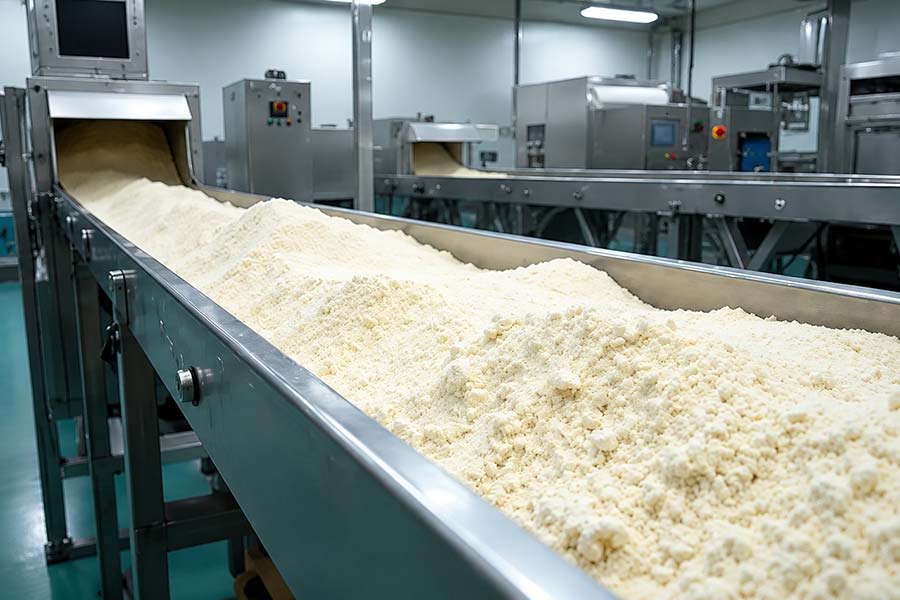
Lightweight & Fine Powders
(e.g., flour, talcum powder, pulverized coal)
Challenge: Fine particle size (<100 μm) and high fluidity increase the risk of powder leakage through the fabric and static electricity buildup.
Recommended Solution: Use fabrics with precisely controlled air permeability, excellent powder-retention performance, and optional antistatic fibers for safe operation.
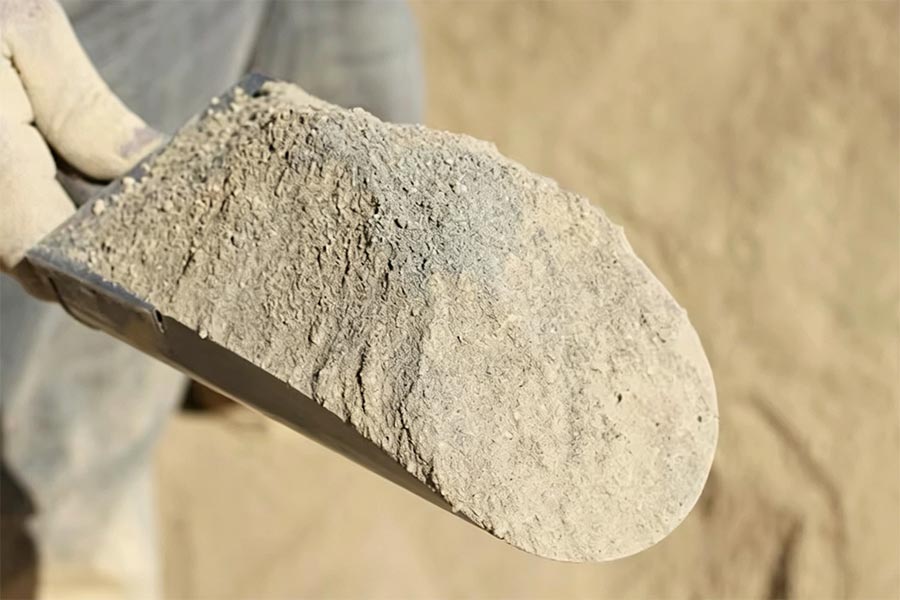
Corrosive Materials
(e.g., chemical fertilizers, industrial salt powders, acidic slag)
Challenge: Moisture releases corrosive ions (such as chlorides and sulfates), accelerating fiber degradation and reducing service life.
Recommended Solution: Select chemically resistant synthetic fibers with excellent corrosion resistance to ensure long-term durability.
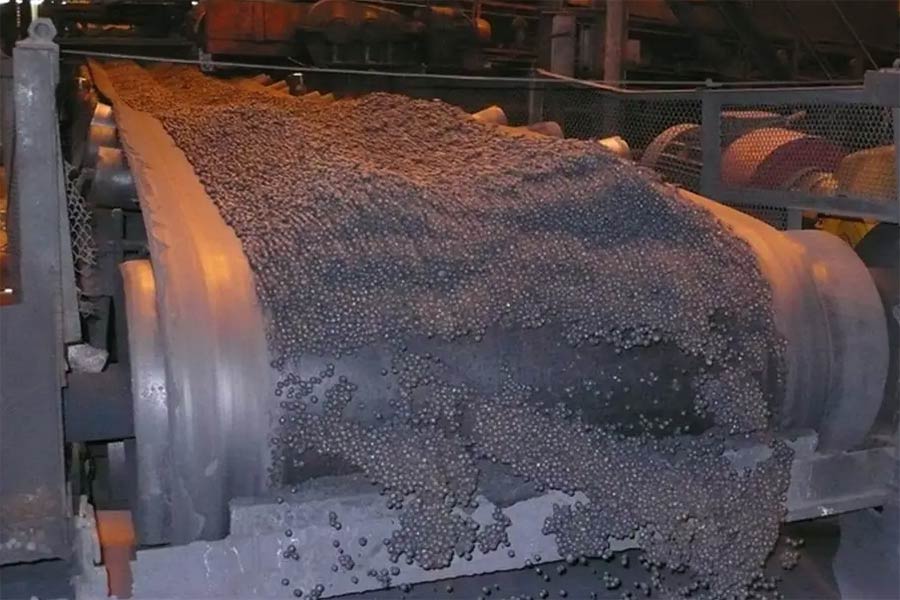
High-Temperature Conditions
(e.g., cement kiln systems, metallurgical sintering plants)
Challenge: Operating temperatures from 80°C to 200°C can soften, deform, and weaken conventional fabrics, reducing sealing performance.
Recommended Solution: Use aramid or basalt air slide fabrics to maintain dimensional stability, strength, and long-term performance under elevated temperatures.
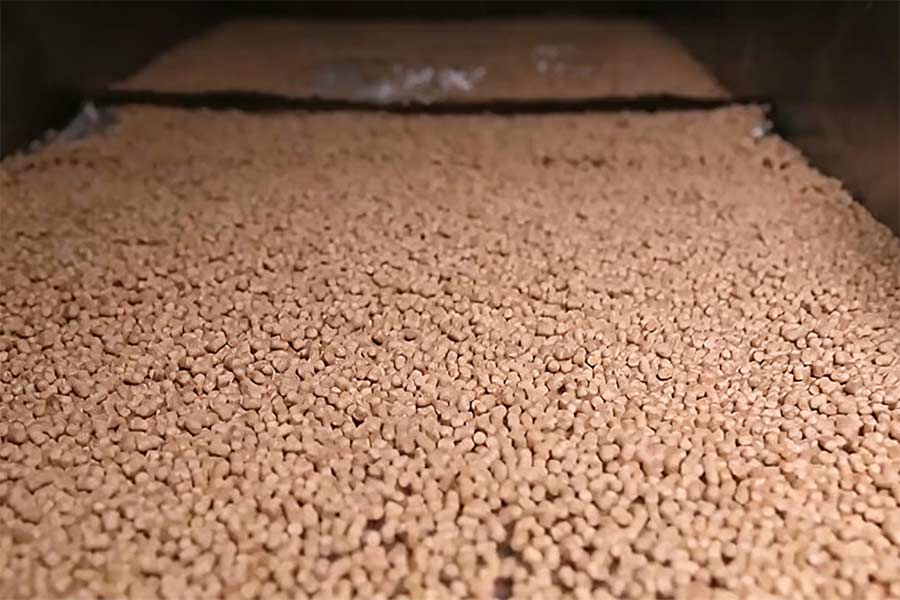
High-Humidity Conditions
(e.g., food processing, aquatic feed production)
Challenge: Relative humidity above 85% may cause moisture absorption, mold growth, or pore blockage, reducing air permeability.
Recommended Solution: Choose fabrics with hydrophobic or anti-condensation surface treatments to keep the material dry and maintain stable airflow.
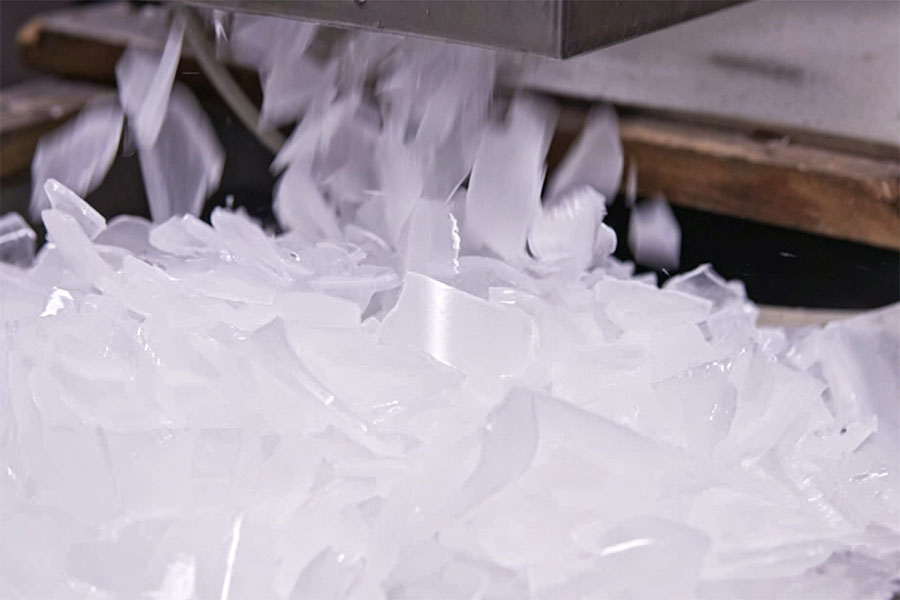
Low-Temperature Conditions
(e.g., outdoor conveying in winter, cold storage facilities)
Challenge: Temperatures from −20°C to 0°C make ordinary canvas stiff and brittle, increasing the risk of cracking under impact.
Recommended Solution: Use cold-resistant, high-flexibility synthetic fibers that remain flexible at low temperatures and resist cracking.
Maintenance & Care
- Regularly inspect the air slide fabric for wear, tears, clogging, or localized hardening. Replace damaged sections when necessary.
- When cleaning the equipment, do not use sharp tools to scrape the air slide fabric, as this may damage the fiber structure.
- If the equipment will be out of service for an extended period, clean and thoroughly dry the air slide fabric before proper storage to prevent moisture absorption and contamination.
- Maintain good sealing performance and stable airflow throughout the conveying system to help extend the service life of both the air slide fabric and the entire conveying equipment.