
Woven Filter Fabrics
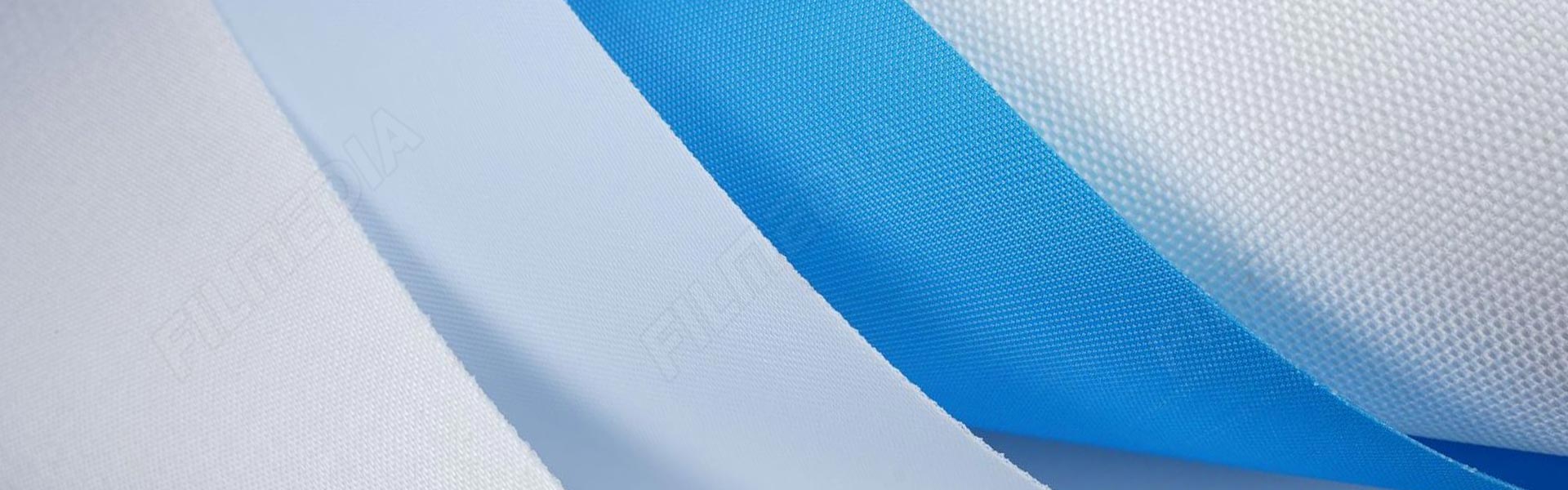
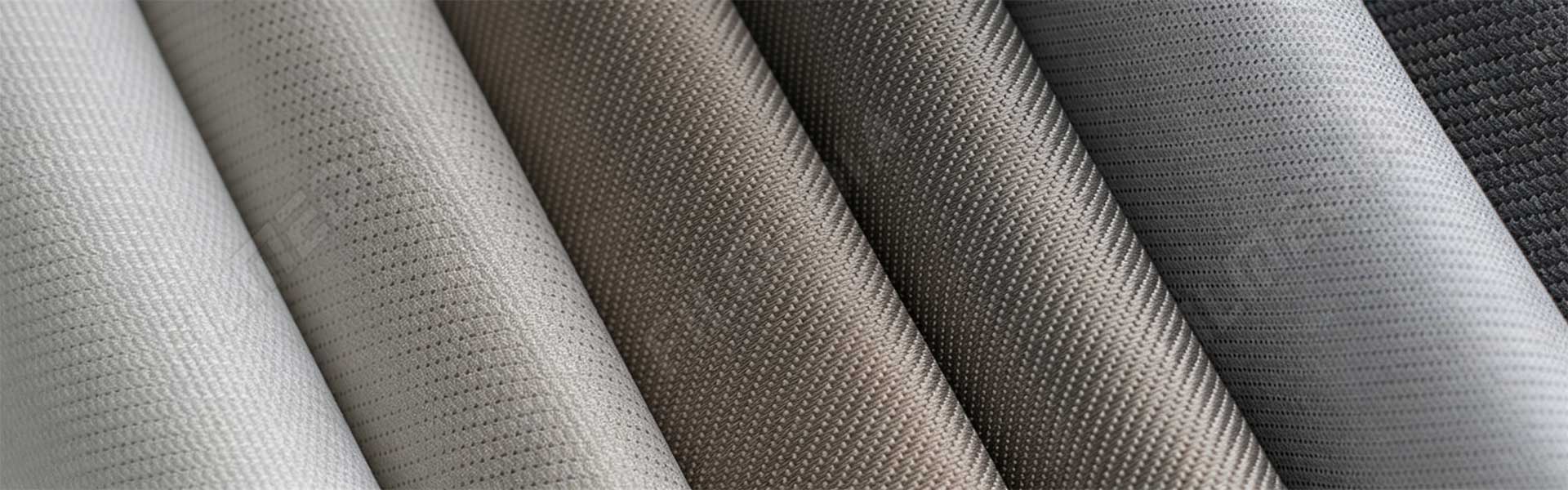
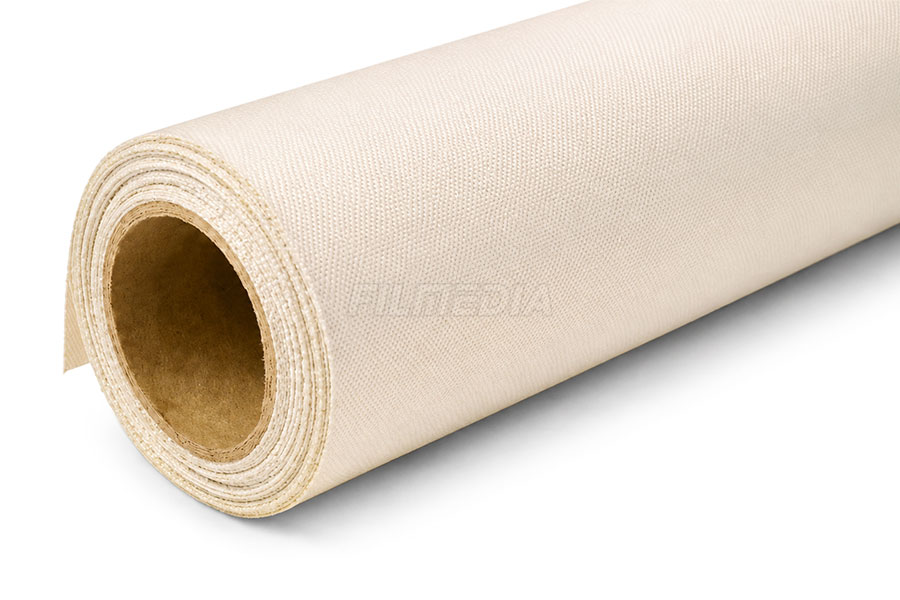
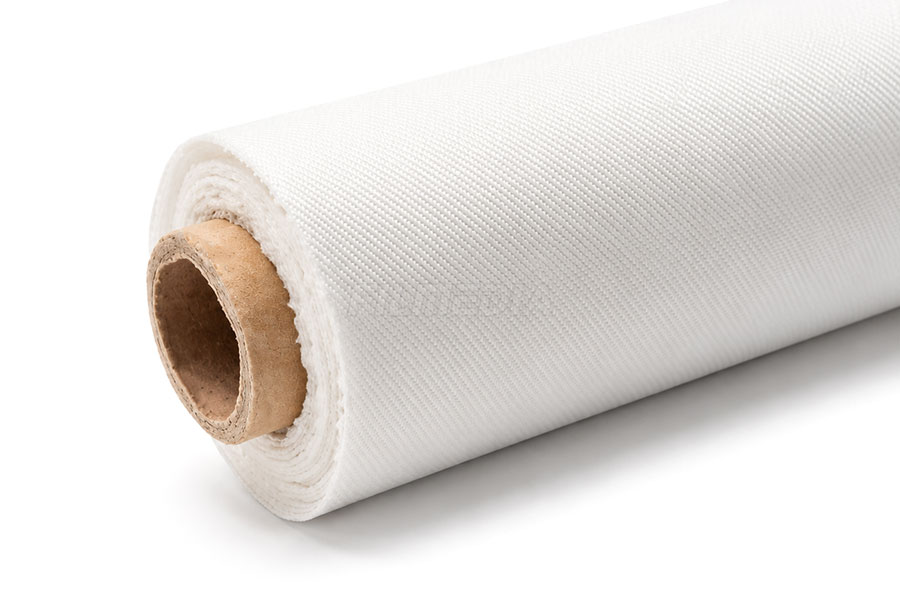
Woven filter fabrics are one of the most important categories of industrial filtration media. Manufactured by weaving synthetic or natural fibers into precise fabric structures, they play a critical role in both solid-liquid separation and air filtration processes. Thanks to their excellent mechanical strength, dimensional stability, and customizable filtration performance, woven filter fabrics are widely used across numerous industrial filtration applications.
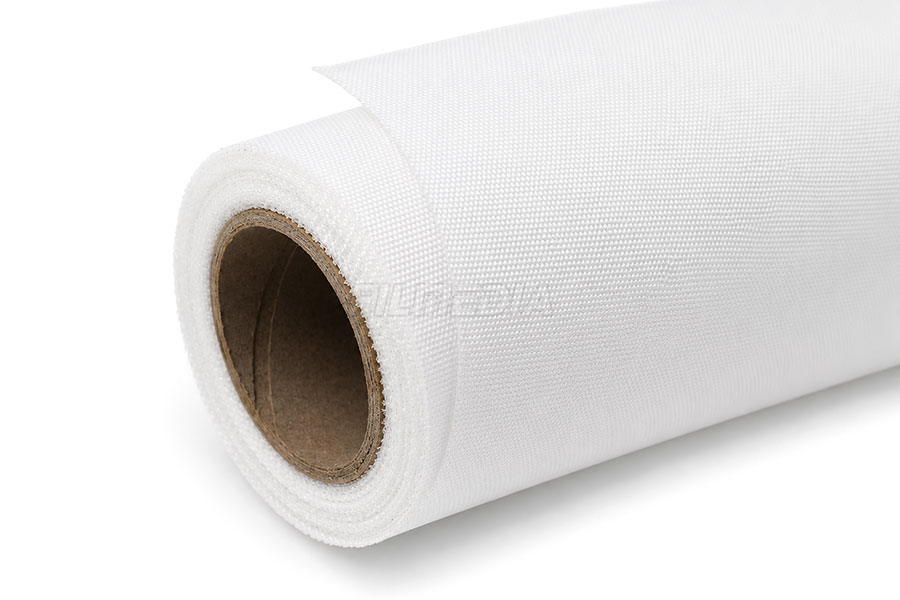
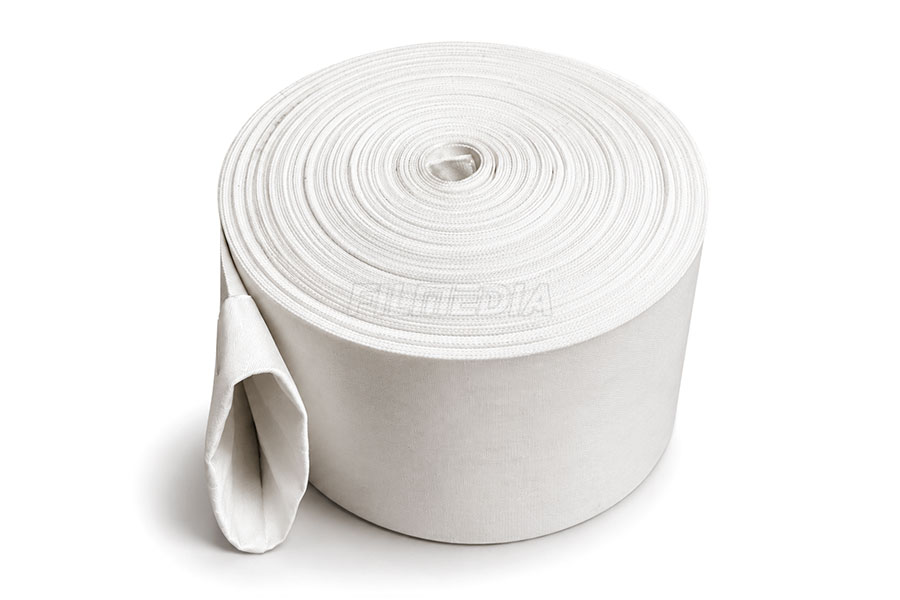
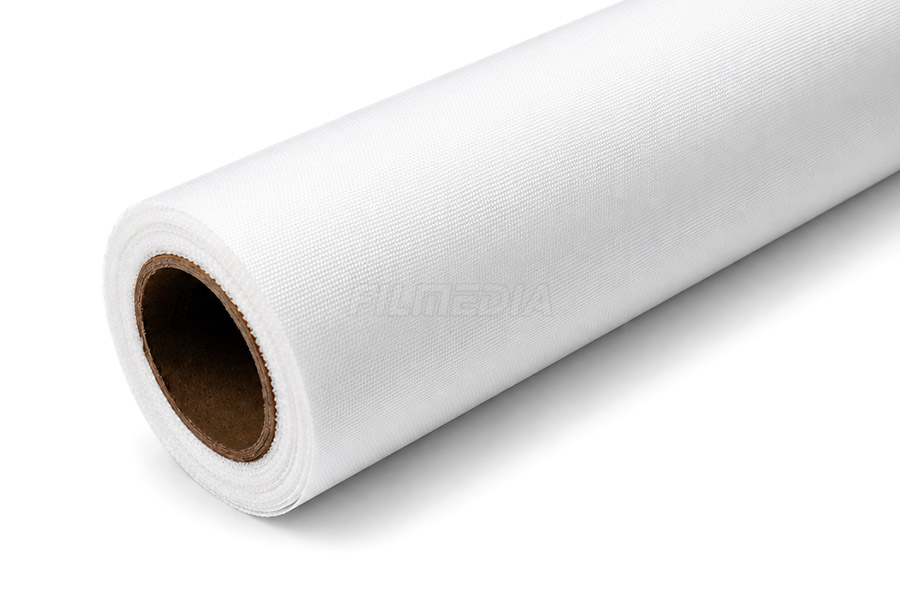
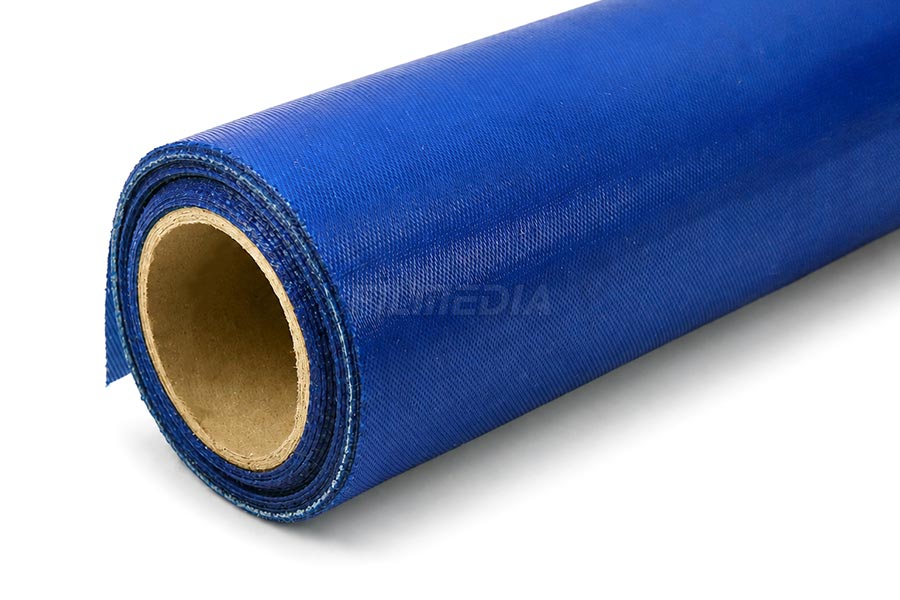
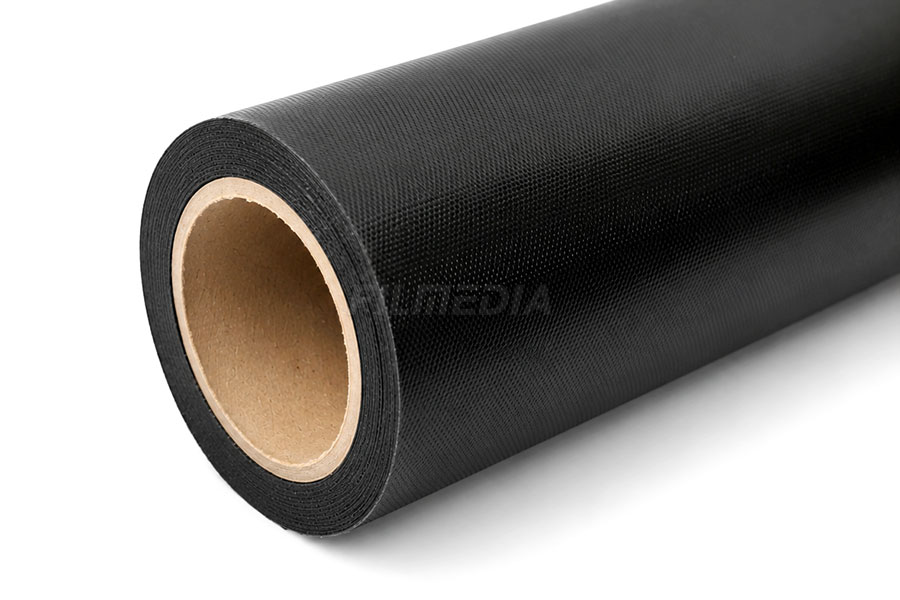
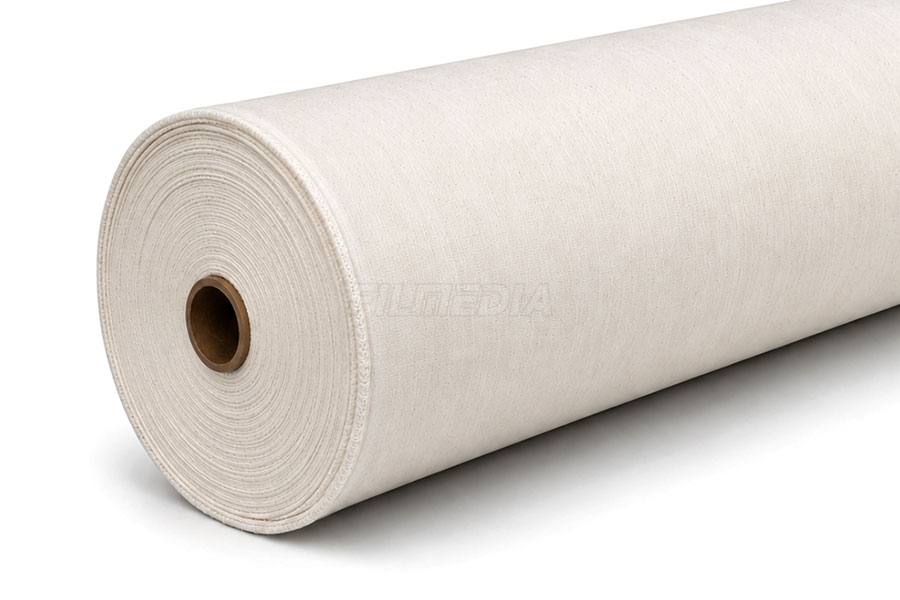
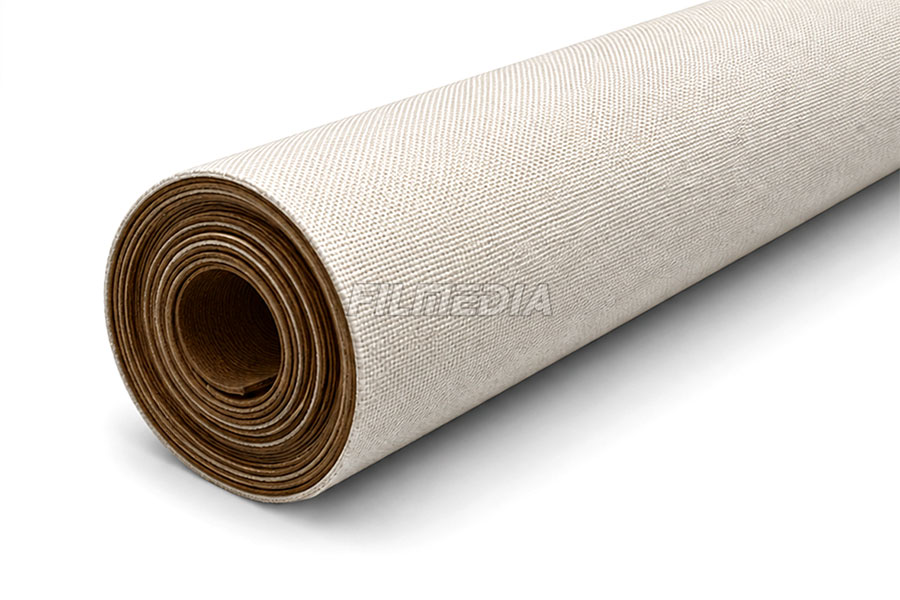
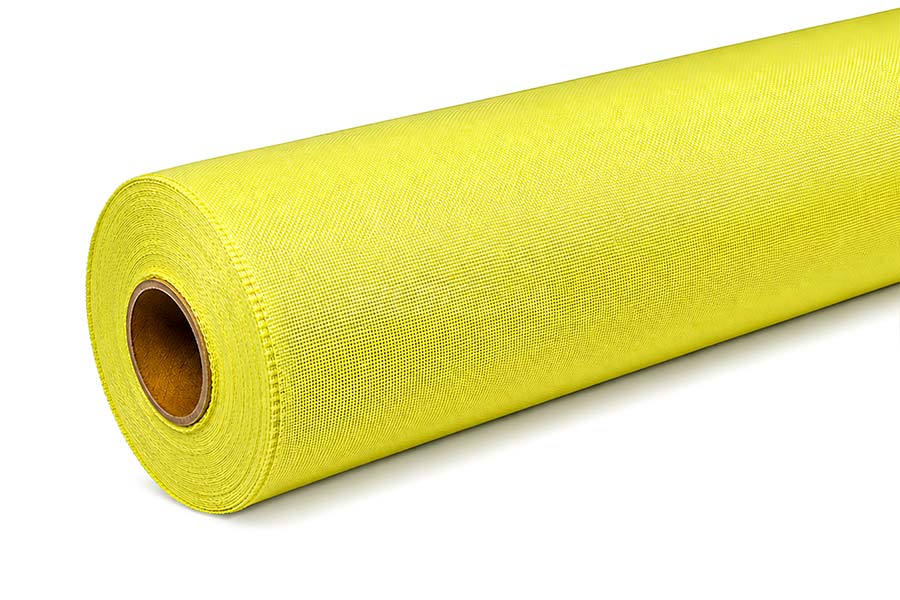
Filmedia® – Industrial Filter Manufacturer
As a professional industrial filtration fabric manufacturer, Filmedia® specializes in the design, development, and production of high-performance woven filter fabrics. We provide customers worldwide with reliable filtration products, customized solutions, and sustainable filtration technologies that help improve operational efficiency, product quality, and environmental performance.
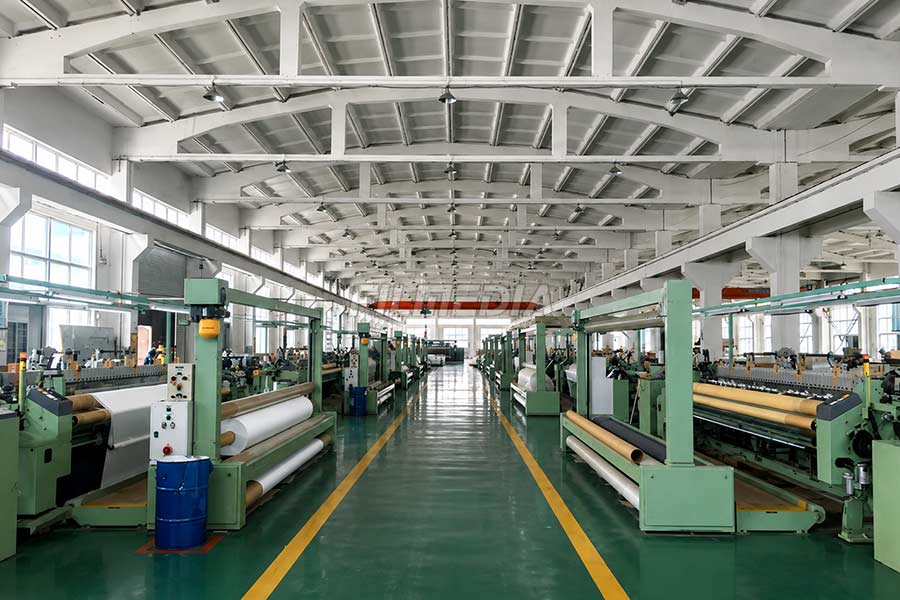
Production Capacity Advantages
☑ Modern manufacturing facilities equipped with advanced weaving, heat-setting, finishing, and testing equipment to ensure consistent product quality.
☑ Multiple automated production lines capable of meeting both large-volume orders and fast delivery requirements.
☑ Comprehensive production capabilities covering monofilament, multifilament, and specialty fiber woven filter fabrics.
☑ Custom manufacturing services available to meet specific requirements for material, weave pattern, pore size, air permeability, and dimensions.
☑ A well-established supply chain management system ensures stable and reliable global supply.
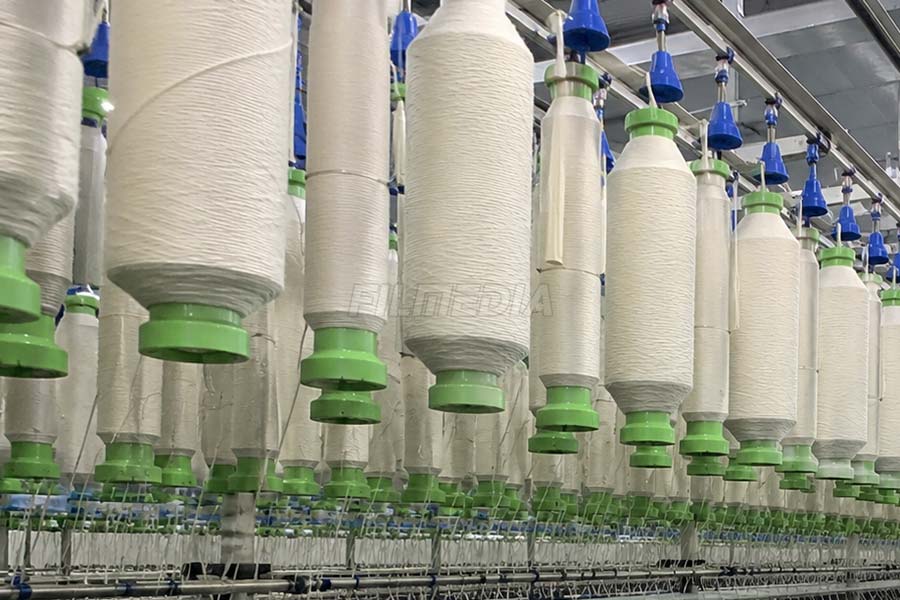
Technical Advantages
☑ Experienced R&D and engineering teams capable of developing customized filtration solutions for various operating conditions.
☑ A wide range of materials available, including PP, PET, PA (Nylon), PTFE, PPS, PEEK, and other specialty fibers.
☑ Micron-level filtration precision to meet demanding filtration and separation requirements.
☑ Diverse weaving structures, including plain weave, twill weave, satin weave, Dutch weave, and other specialized patterns.
☑ Functional finishing treatments such as heat setting, calendaring, coating, antistatic treatment, water and oil repellent treatment, and PTFE membrane lamination.
☑ Optimized cake release and cleaning performance to improve filtration efficiency and extend fabric service life.
☑ Strict quality control procedures ensure excellent mechanical strength, dimensional stability, and chemical resistance.
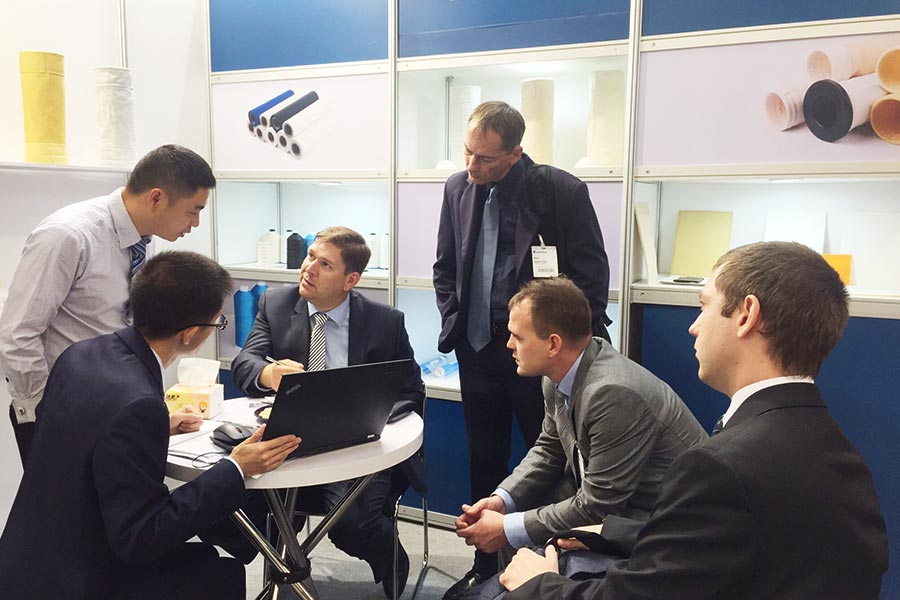
Service Advantages
☑ Professional filtration consulting and product selection support.
☑ Tailored recommendations based on customers’ process parameters and application requirements.
☑ OEM and ODM services available based on drawings, samples, or customized specifications.
☑ Rapid sample development and testing support to accelerate project implementation.
☑ Global sales and service network providing responsive technical support and customer service.
☑ Comprehensive support throughout the entire project lifecycle, from product delivery to after-sales service.
☑ Long-term partnership approach focused on helping customers improve filtration performance while reducing overall operating costs.
Fiber Material Comparison
Different fiber materials provide unique physical, chemical, and thermal properties, enabling woven filter fabrics to operate under various filtration conditions.
| Material | Continuous Operating Temperature | Acid Resistance | Alkali Resistance | Abrasion Resistance | Main Advantages |
|---|---|---|---|---|---|
| Polypropylene (PP) | ≤ 90°C | Excellent | Excellent | Good | Excellent chemical resistance, low moisture absorption, economical |
| Polyamide (PA / Nylon) | ≤ 115°C | Fair | Excellent | Excellent | High strength, superior abrasion resistance, smooth surface for easy cake release |
| Polyester (PET) | ≤ 130°C | Good | Fair | Excellent | High tensile strength, dimensional stability, cost-effective |
| Cotton | ≤ 100°C | Fair | Fair | Moderate | Natural fiber, good absorbency, environmentally friendly |
| Aramid | ≤ 200°C | Good | Fair | Excellent | Outstanding heat resistance and mechanical strength |
| PPS | ≤ 190°C | Excellent | Excellent | Good | Exceptional chemical resistance and hydrolysis resistance |
| PTFE | ≤ 250°C | Excellent | Excellent | Excellent | Virtually universal chemical resistance, non-stick surface, longest service life |
Fiber Structure Types
Different yarn structures have different filtration characteristics, and the appropriate filter material can be selected according to the specific working conditions.
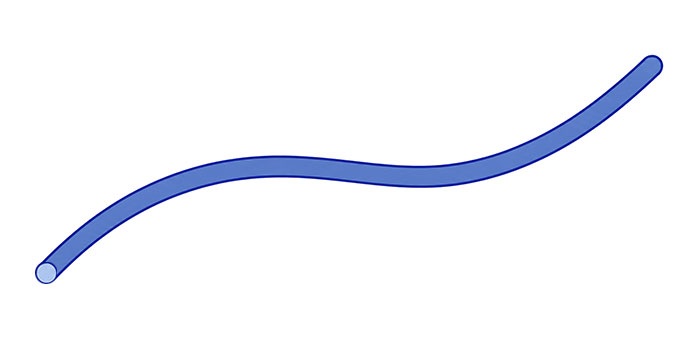
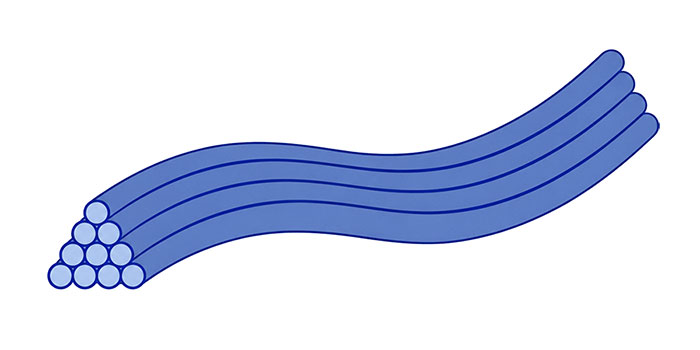
Mono-filament Fiber Fabric
Monofilament yarns are single extruded synthetic filaments, produced in diameters from approx. 28 microns up to 2 or 3 mm. It has good properties of High flow rate, high filtration efficiency, Very smooth surface, free of clogging, easy cake release, Low cleaning rate, long lifetime, The absence of the danger of small pieces of filament separating from the multifilament or staple fibers and passing downstream and resulting in contamination of the product.
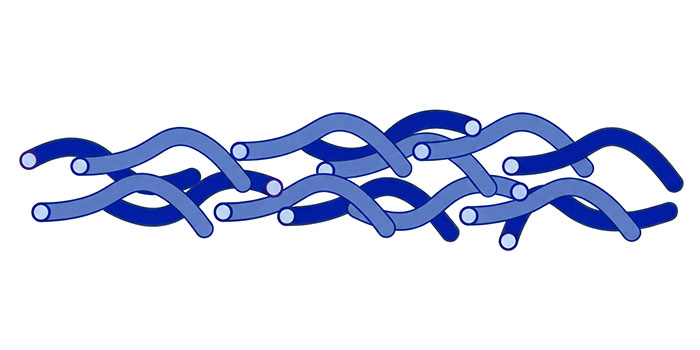
Multi-filament Fiber Fabric
A multifilament fiber consists of several fine monofilament fibers spun together. It has good properties of High filtration precision. Compact yarn structure with superior tensile strength and high filtration precision. It effectively intercepts microscopic particles and is highly suited for deep filtration scenarios requiring exceptional mechanical durability.
Staple Fiber Fabric
Staple fiber yarns consist of individual cut pieces of fibers that are spun into a continuous yarn. It has the advantages of Staple fiber specific surface area is large. Staple fiber interception ability is better than monofilament, multifilament, and mono-mult.
Weave Types
The weave pattern directly influences filtration efficiency, permeability, strength, and cake release performance.
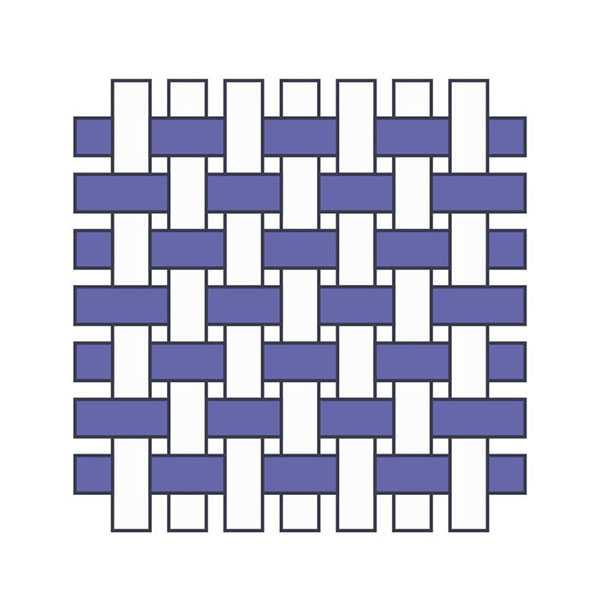
Plain Weave
- Tight structure with high filtration accuracy
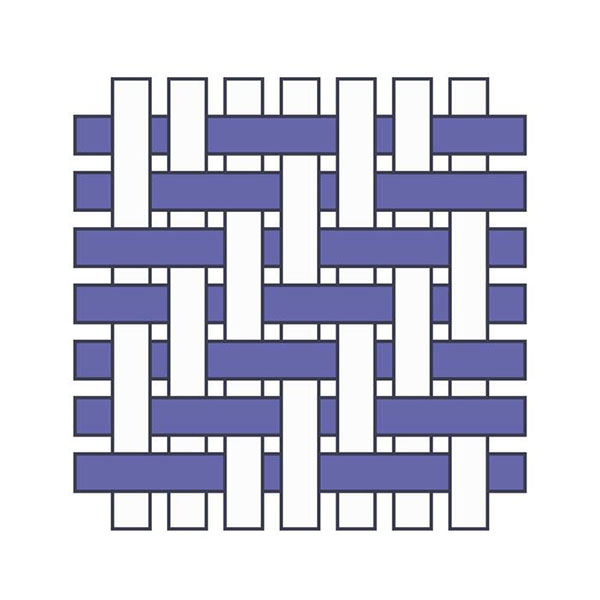
Twill Weave
- Balanced permeability and anti-clogging performance
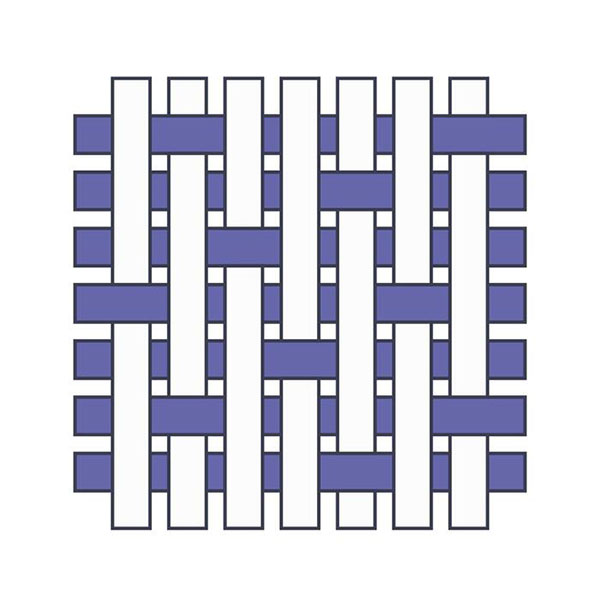
Satin Weave
- Smooth surface for improved cake release
Application Industries
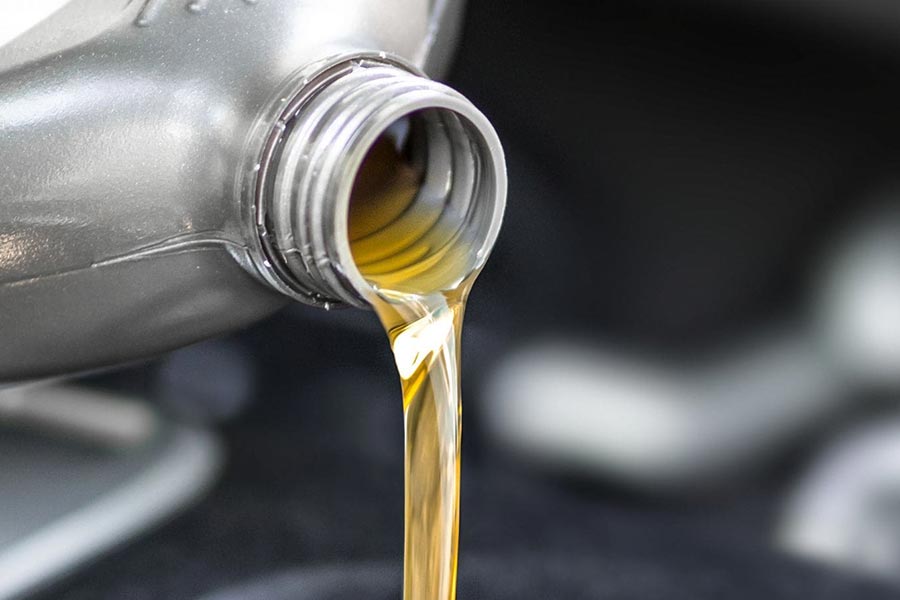
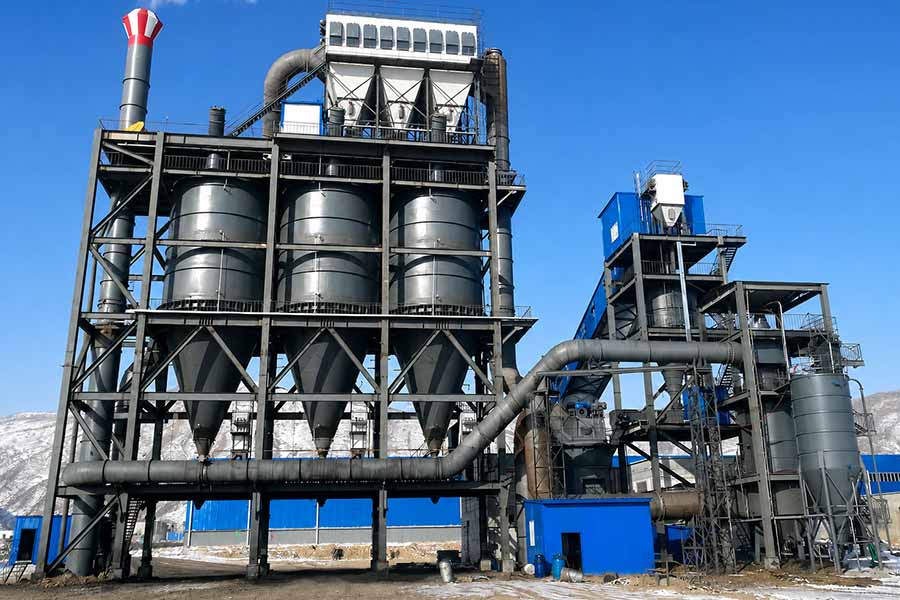
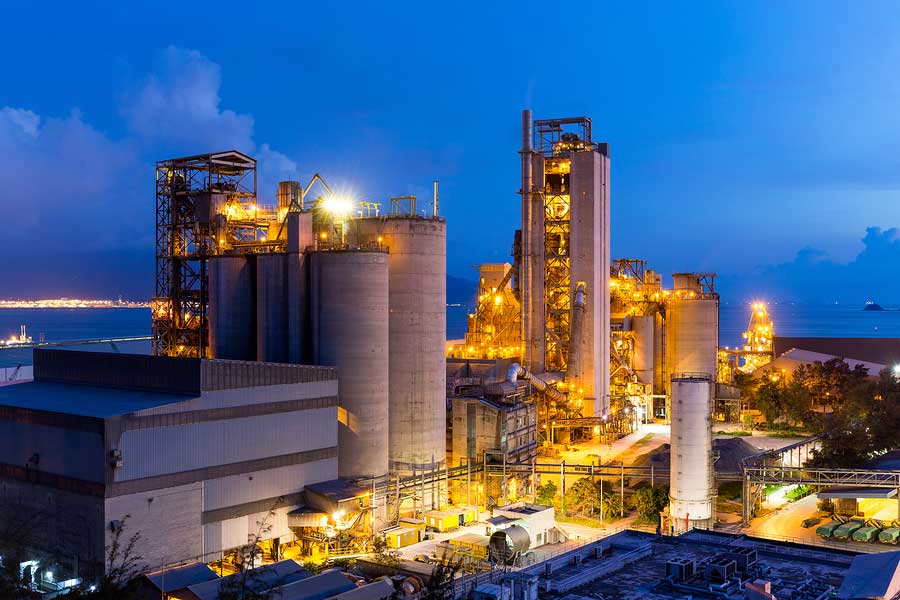
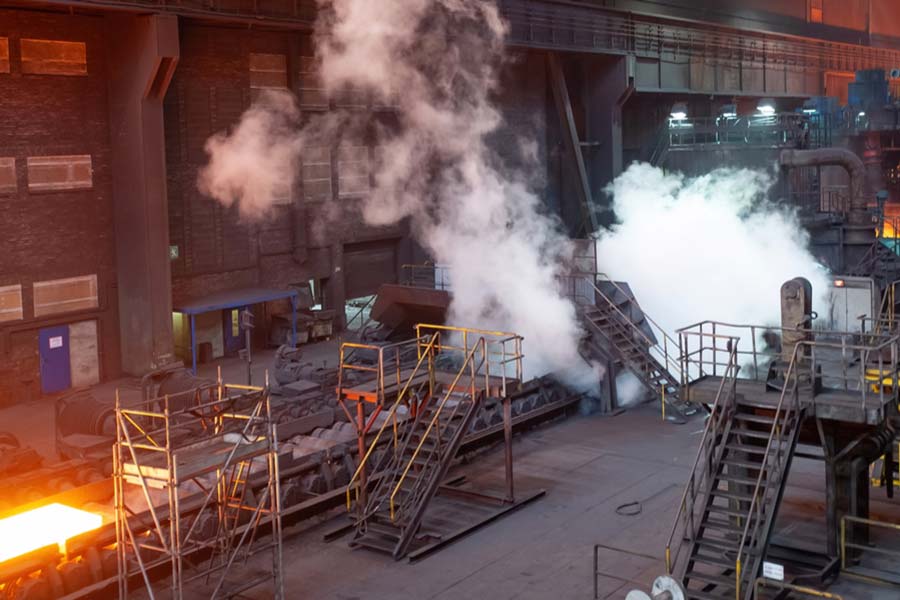
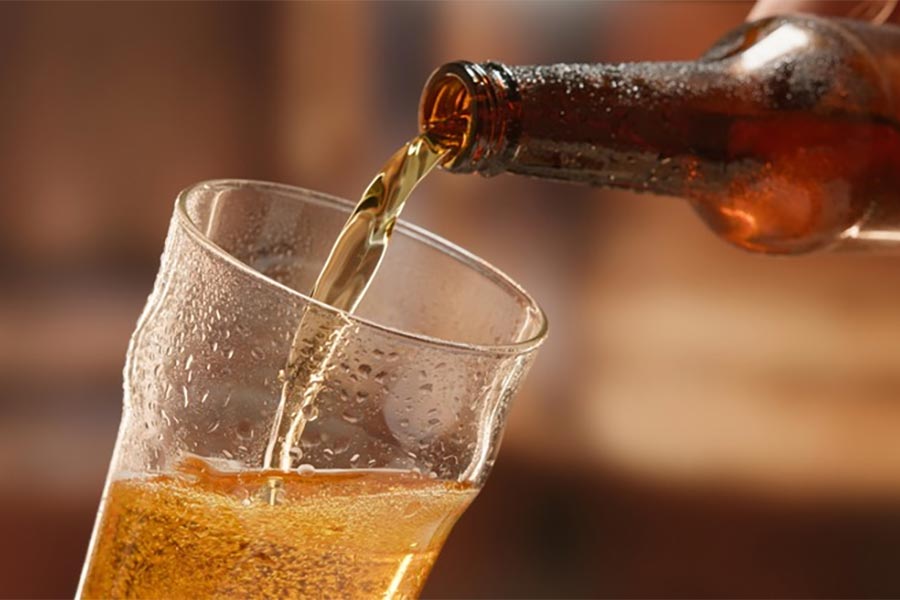
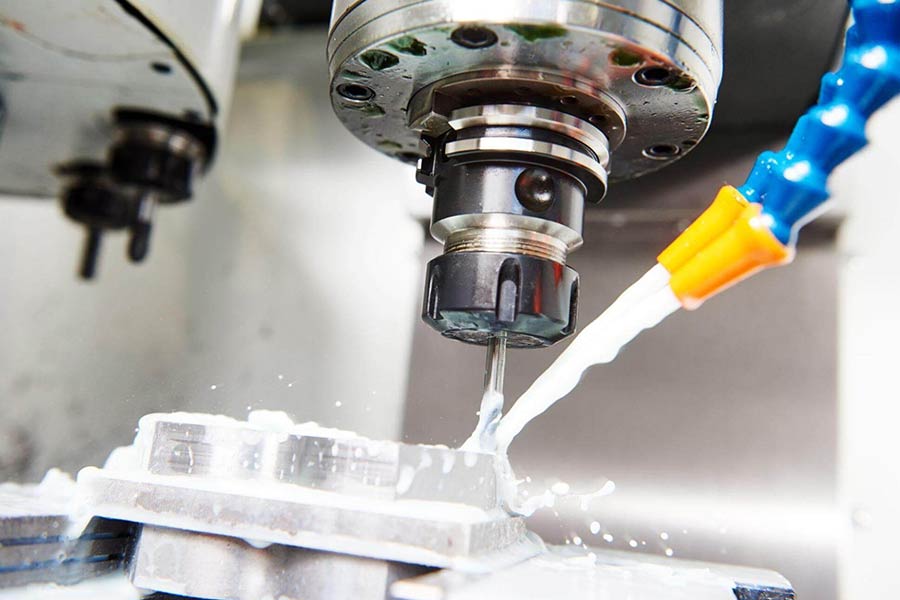
Filmedia® woven filter fabrics are widely used in both dust collection and solid-liquid separation processes across numerous industries.
- Mining and Mineral Processing
- Metallurgy and Metal Processing
- Chemical Industry
- Petrochemical Industry
- Wastewater Treatment
- Environmental Protection
- Food and Beverage Processing
- Pharmaceutical Industry
- Biotechnology
- Pulp and Paper Industry
- Sugar Processing
- Ceramic Industry
- Pigment and Dye Production
- Oil and Gas Industry
- New Energy Materials
Filtration Equipment Applications
Our filter cloths can be customized into filter bags, filter cloths, and filter belts, and are perfectly compatible with mainstream industrial filtration equipment.
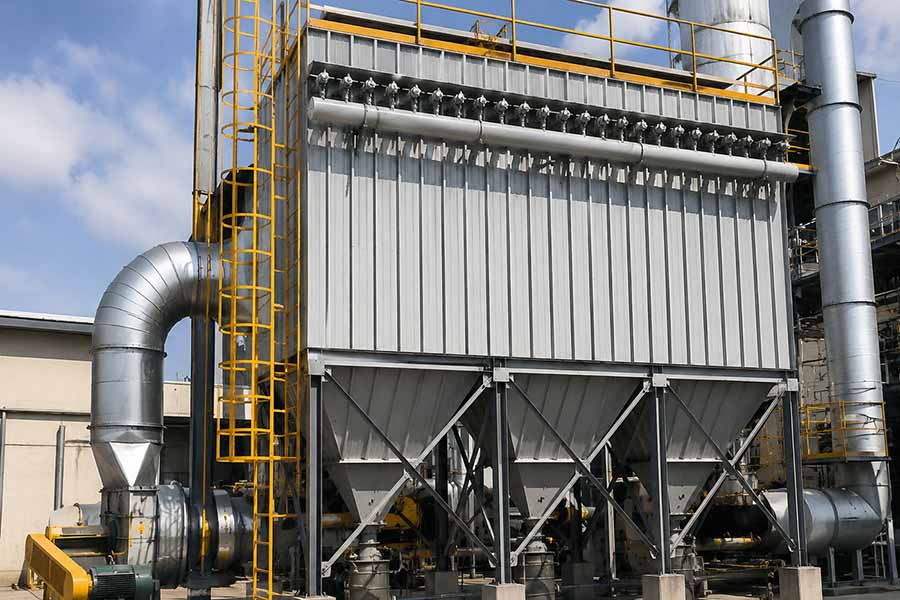
Dust Collection Systems
- Pulse Jet Baghouse
- Reverse Air Baghouse
- Shaker Baghouse
- Cartridge Dust Collectors
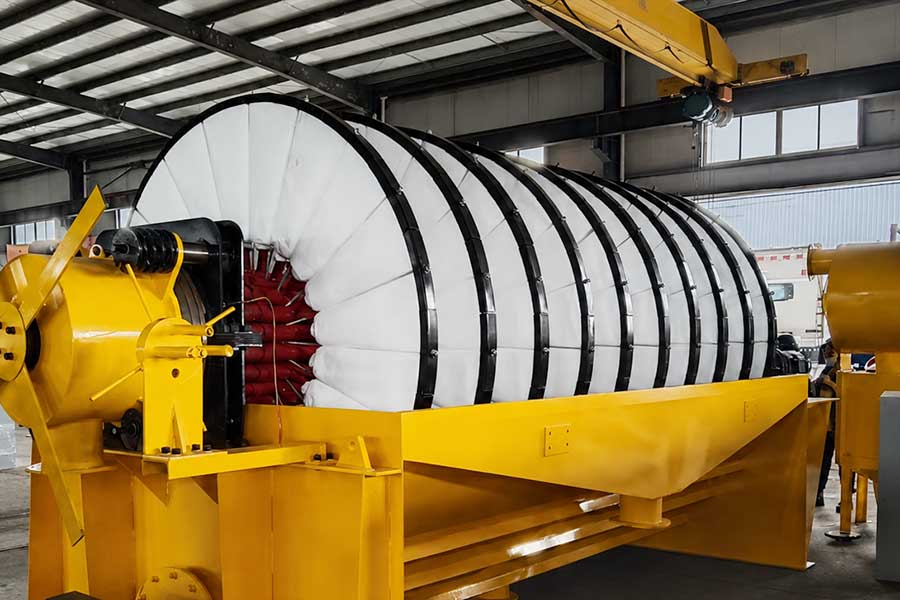
Solid-Liquid Separation Equipment
- Filter press
- Belt filter
- Rotary disc filter
- Rotary table filter
- Leaf filter
- Drum filter
- Centrifuge filter
Technical Parameters of Filter Cloth
There are some basic parameters of the filter cloth which needed for customized service.
- Material
- Yarn Type
- Yarn Size (Yarn linear density)
- Weight (g/m2)
- Thickness (mm)
- Air permeability (L/m2·s, at 200pa)
- Fabric count (per cm)
- Tensile strength(N/5×20cm)
- Tensile elongation(%)
- Finish