
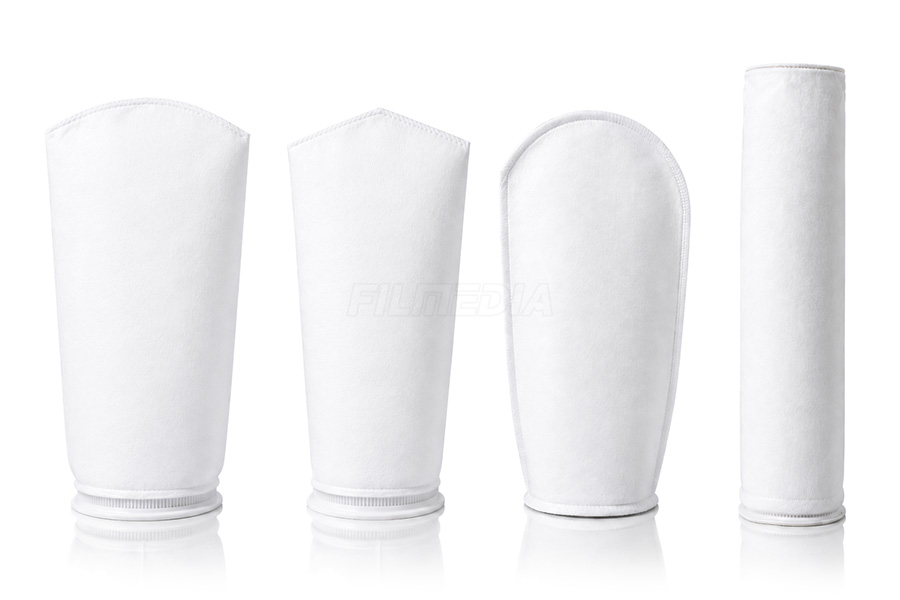
Polypropylene Needle Felt Filter Bags for Liquid Filtration
Polypropylene (PP) needle-felt filter bags are depth-filtration elements made from high-quality polypropylene non-woven fabric. These bags are widely used for solid-liquid separation in both liquid and gas applications, effectively trapping solid particles present in various liquids.
- High dirt-holding capacity with true depth filtration.
- Excellent resistance to acids, alkalis, and many chemical solvents.
- Low fiber shedding due to special surface treatment.
- FDA-compliant filter media available for food and beverage applications.
- Free from silicone contamination.
- High flow rates and low pressure drop.
- Suitable for temperatures up to 90–110°C.
- Economical and easy to replace.
Description
Base Fabric Material – Polypropylene Needle Felt
Polypropylene (PP) material offers excellent chemical stability, outstanding resistance to acids and alkalis, and good heat resistance. The filter media is manufactured using a needle-punching process and can be produced from staple fibers, multifilament fibers, or monofilament fibers. This process creates a three-dimensional, highly interconnected fiber structure that effectively captures contaminants throughout the entire depth of the media. The unique porous, honeycomb-like structure efficiently removes particles and suspended solids from liquids. Larger particles are retained on the surface of the filter media, while finer particles are trapped within the deeper layers, providing excellent depth filtration performance and high dirt-holding capacity.
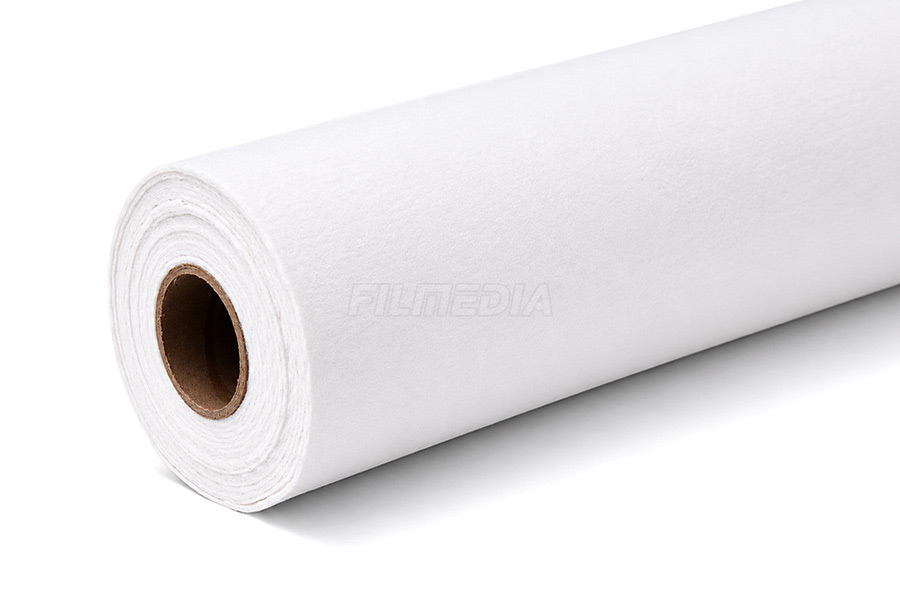
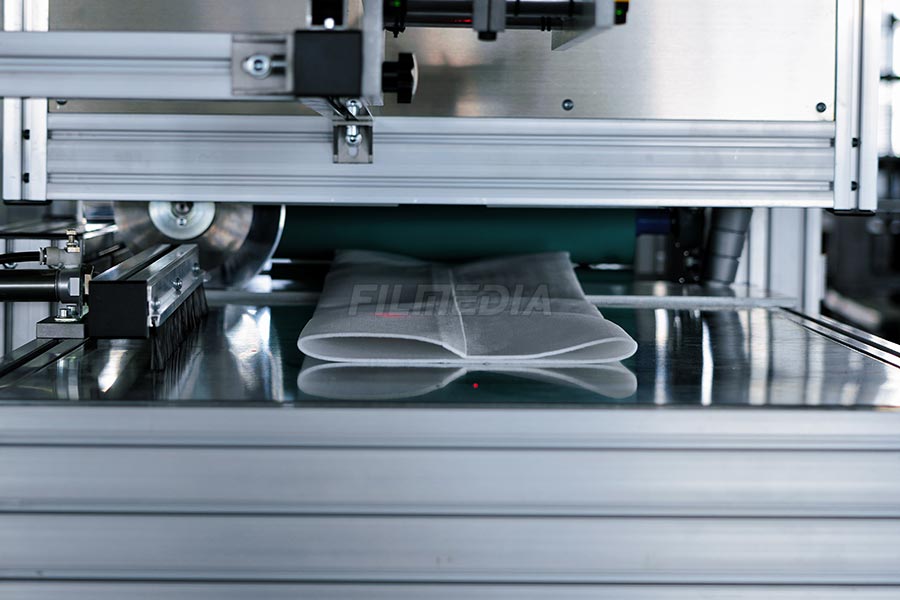
Manufacturing Process
Filmedia® subjects its filter media to various special treatments to meet industrial filtration requirements.
☑ Controllable Filtration Precision
By adjusting the thickness of the needle-punched felt, the filter bags can achieve higher filtration precision, typically delivering a removal rate exceeding 90%.
☑ Surface Post-Treatment
The filter bag surface undergoes singeing, calendering, and membrane lamination processes to effectively prevent fiber shedding (fiber migration).
Specifications
| Parameter | Specification |
|---|---|
| Material | Polypropylene (PP) Needle-Punched Felt |
| Filtration Rating | 1–200 μm |
| Filtration Type | Depth Filtration |
| Temperature Resistance | ≤100°C (Max. 110°C) |
| Chemical Resistance | Excellent resistance to acids and alkalis |
| Recommended Replacement ΔP | 0.10 MPa |
| Maximum Differential Pressure | 0.16 MPa |
| Surface Treatment | Singed, Calendared, Membrane Laminated |
| Ring Materials | Stainless Steel, Galvanized Steel, PP/PE Plastic |
Filtration Precision
| Micron Rating(μm) | Weighr(gsm) | Thickness(mm) | Airpermeabillty/d㎡/min | Tenslle strength Warp(N) | Tenslle strength Weft(N) | Break Elongation warp | Break Elongation weft |
| 1 | 550 | 2.2 | 120 | 900 | 1100 | 50% | 50% |
| 5 | 400 | 2.2 | 150 | 700 | 850 | 50% | 50% |
| 10 | 400 | 2.2 | 180 | 700 | 850 | 50% | 50% |
| 25 | 400 | 2.2 | 300 | 700 | 850 | 50% | 50% |
| 50 | 320 | 2.2 | 700 | 500 | 600 | 50% | 50% |
| 100 | 320 | 2.2 | 1200 | 500 | 600 | 50% | 50% |
| 200 | 320 | 2.2 | 1500 | 500 | 600 | 50% | 50% |
Common Size Specifications
| Filter Bag Size | Diameter × Length (mm) | Flow Rate (m³/h) | Filtration Area (m²) | Volume (L) |
|---|---|---|---|---|
| Size 1 | 180 × 410 | 20 | 0.25 | 8 |
| Size 2 | 180 × 820 | 40 | 0.50 | 17 |
| Size 3 | 100 × 230 | 10 | 0.15 | 1.3 |
| Size 4 | 100 × 420 | 18 | 0.20 | 2.5 |
| Size 5 | 152 × 520 | 12 | 0.18 | 8 |
Ring Materials
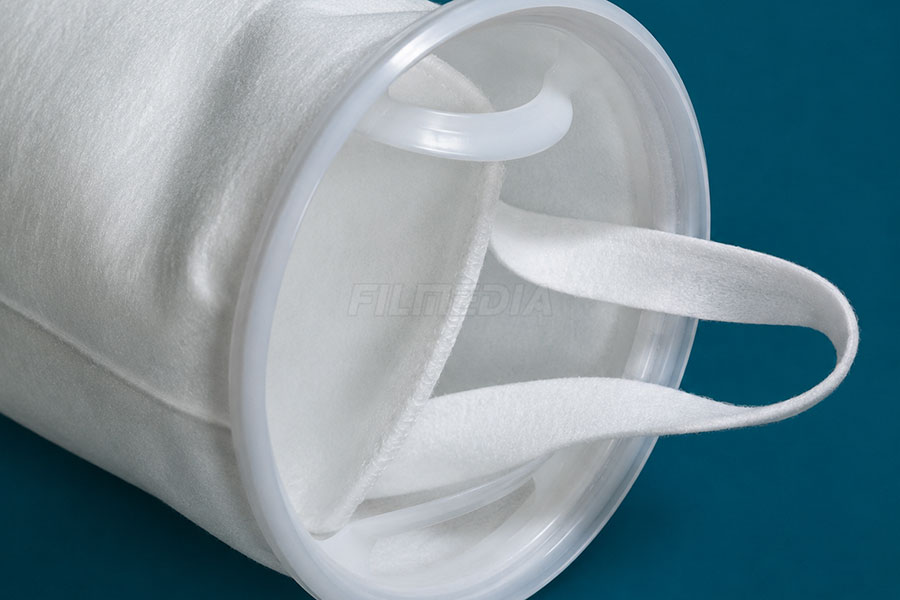
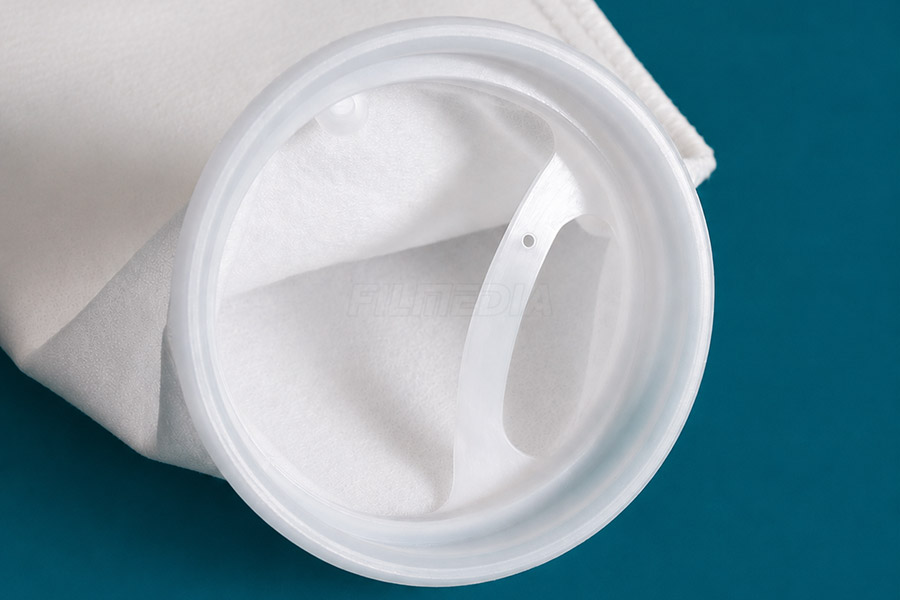
PP liquid filter bags are available with various collar ring options to meet different housing requirements:
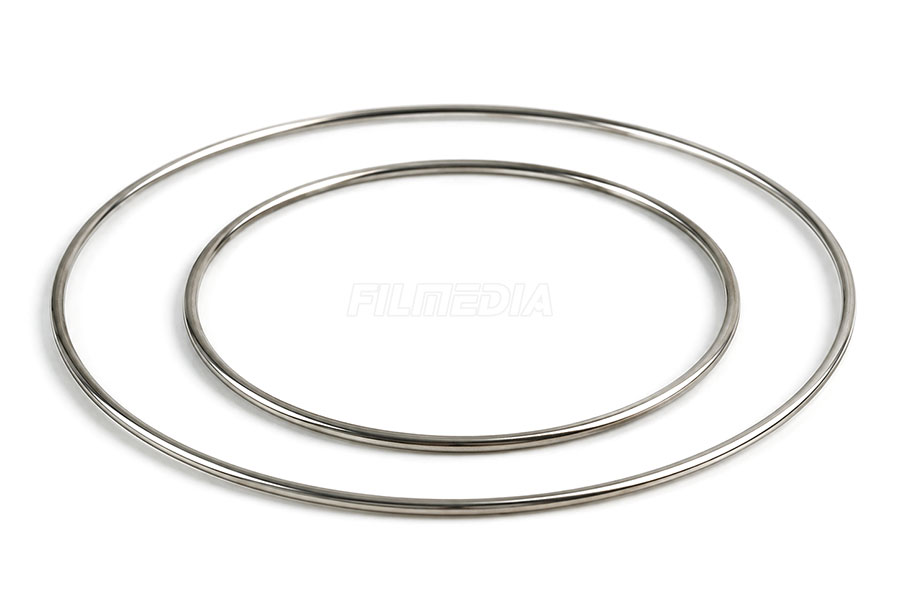
Steel Ring
- Stainless Steel Ring
- Galvanized Steel Ring
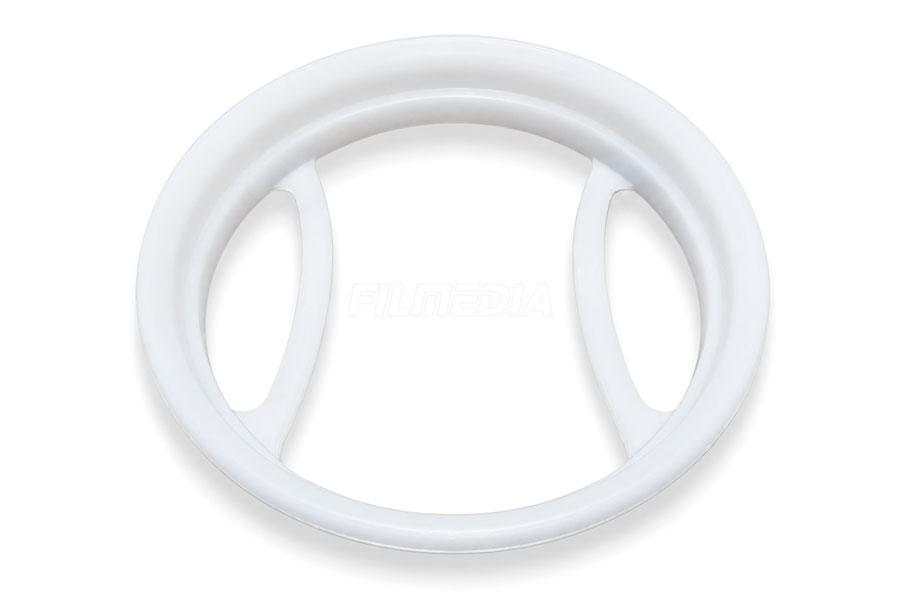
Plastic Ring
- Polypropylene (PP) Ring
- Polyethylene (PE) Plastic Ring
Sealing Process
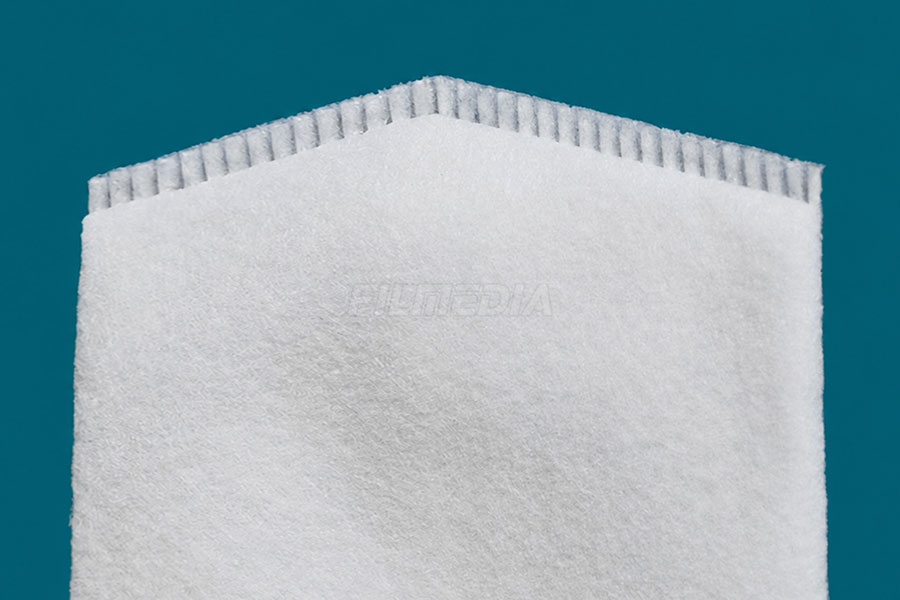
Hot-Melt Welding Process
Employs advanced ultrasonic hot-melt welding technology to ensure superior seam strength and sealing performance, effectively preventing bypass leakage while enhancing filtration efficiency and product reliability.
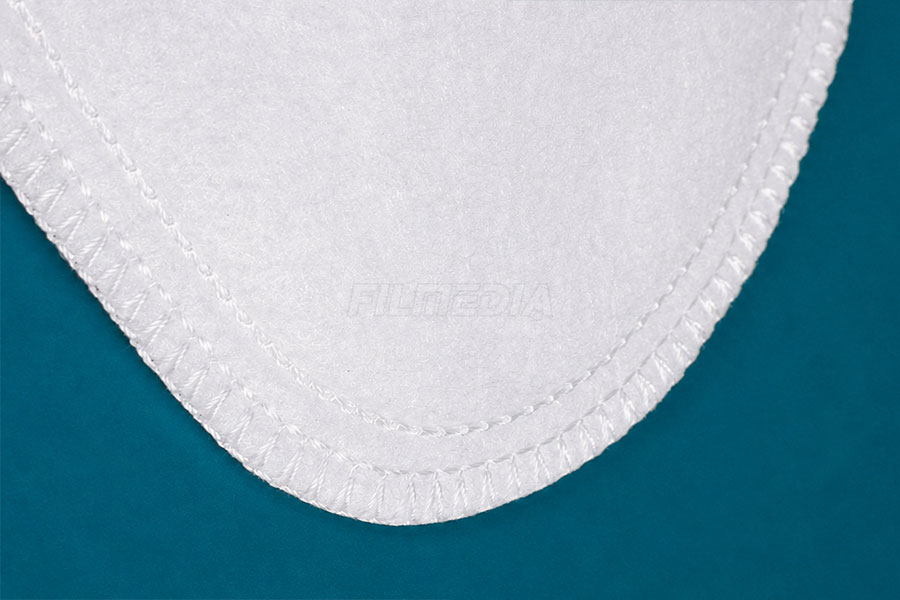
Stitched Seam Process
Utilizes a high-strength five-thread overlock stitching process for secure, durable seams. Uses specialized sewing thread free of silicone lubricants to avoid the silicone contamination and secondary pollution issues often associated with standard stitched filter bags.
Application Industries
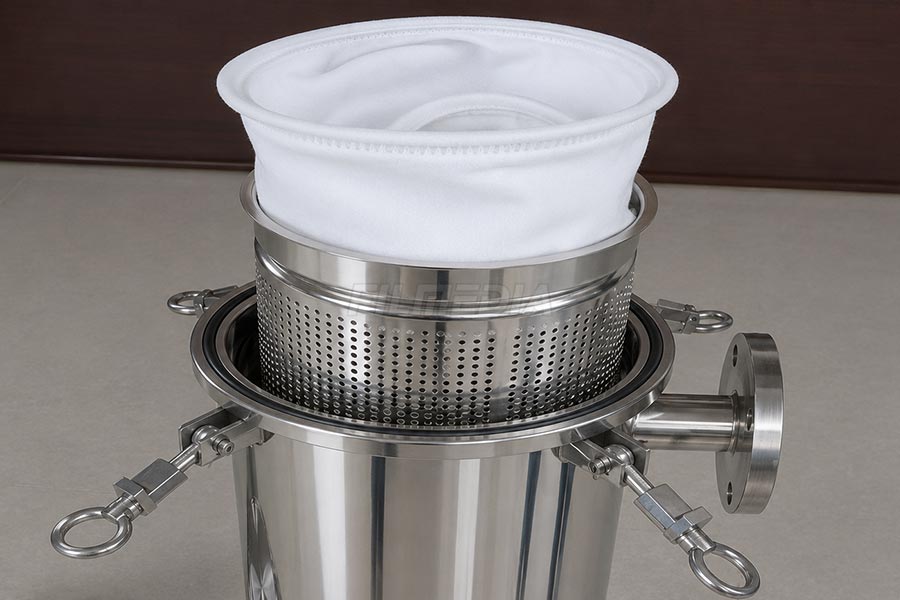
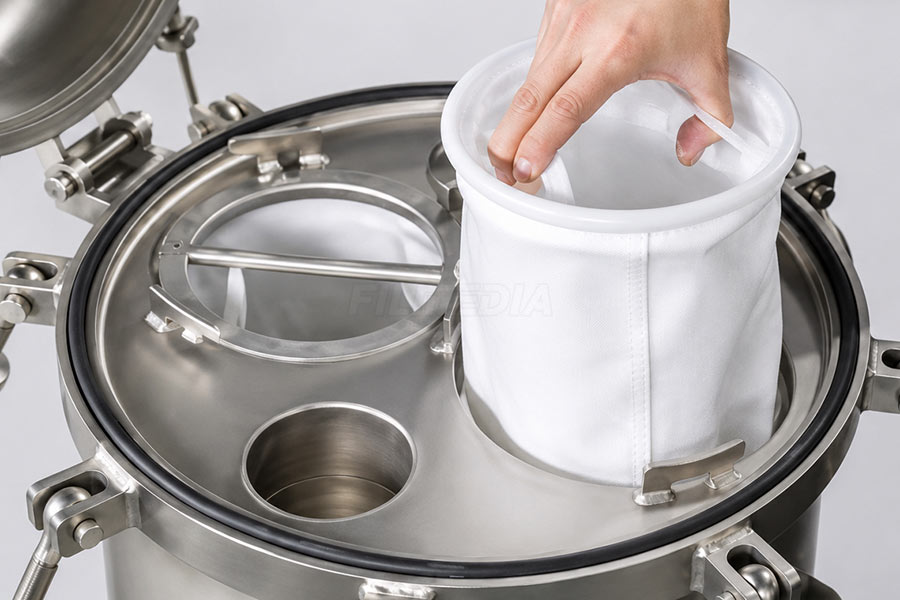
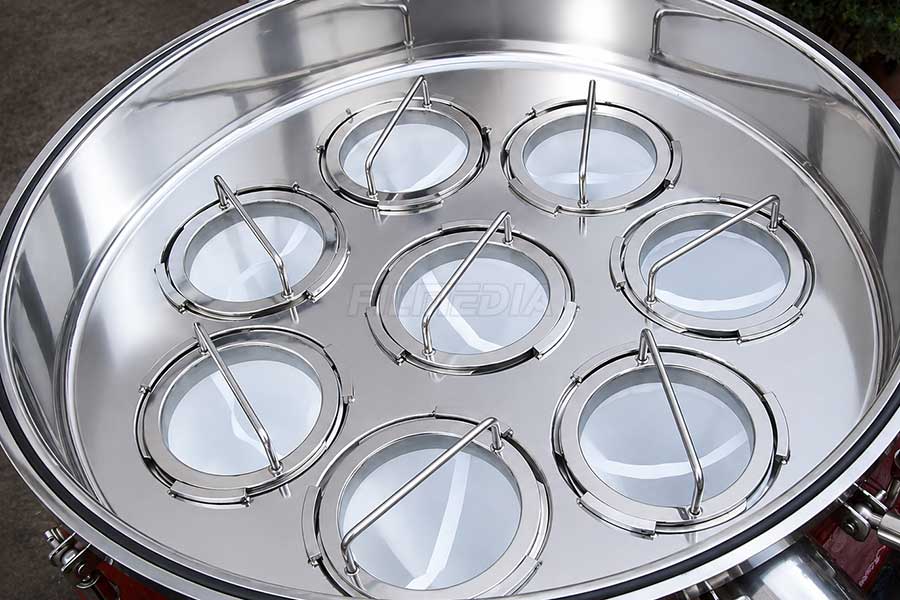
PP liquid filter bags are widely used in:
- Food & Beverage Processing
- Biotechnology & Pharmaceutical Industry
- Petrochemical & Chemical Processing
- Automotive Manufacturing
- Oil & Gas Industry
- Electronics & Electroplating
- Paints, Coatings & Inks
- Nuclear & Thermal Power Plants
- Waste Liquid Treatment
- Photographic Film Production
- Daily Chemical Industry
- Water Treatment Systems
- Textile, Dyeing & Printing Industry
- Paper Manufacturing
- Metal Processing Fluids
- Refrigeration & Cooling Systems