
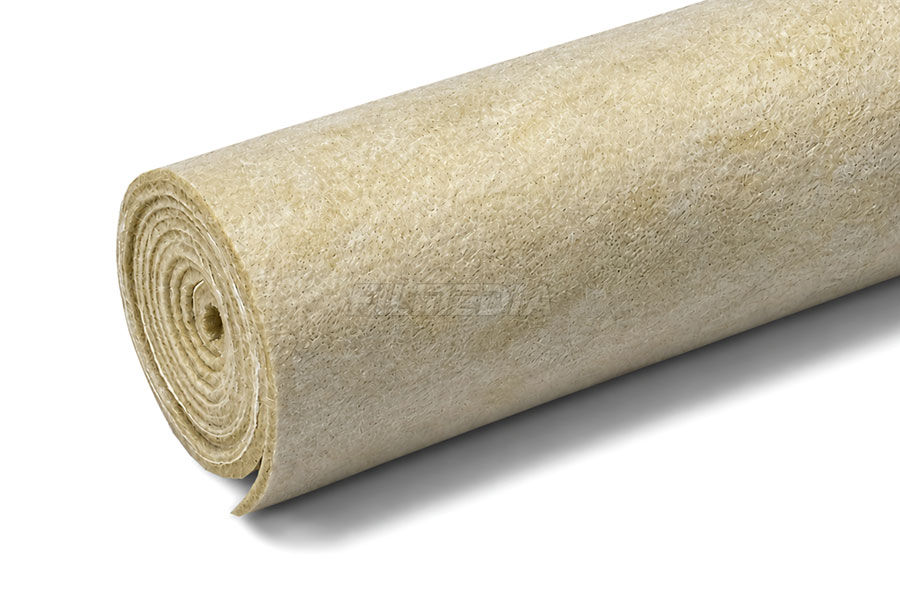
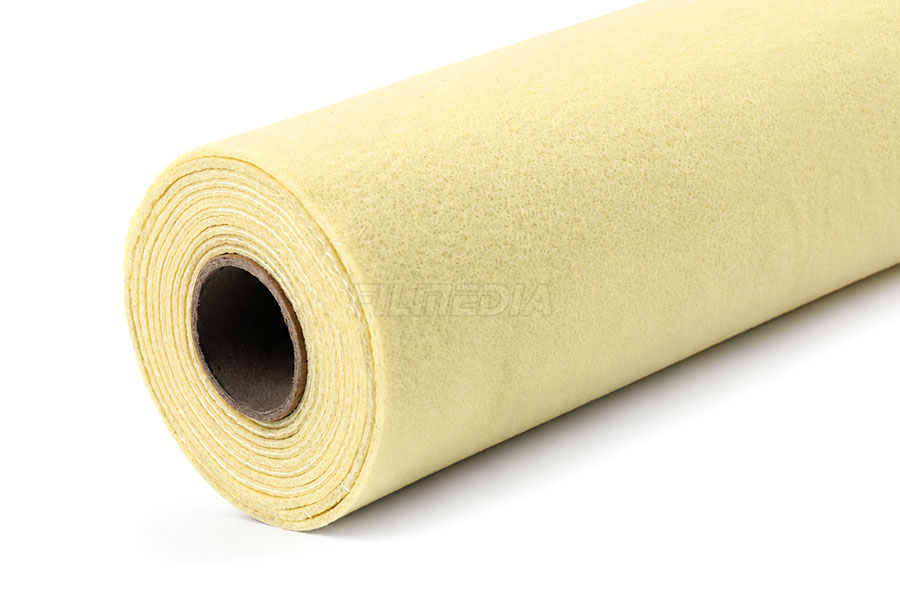
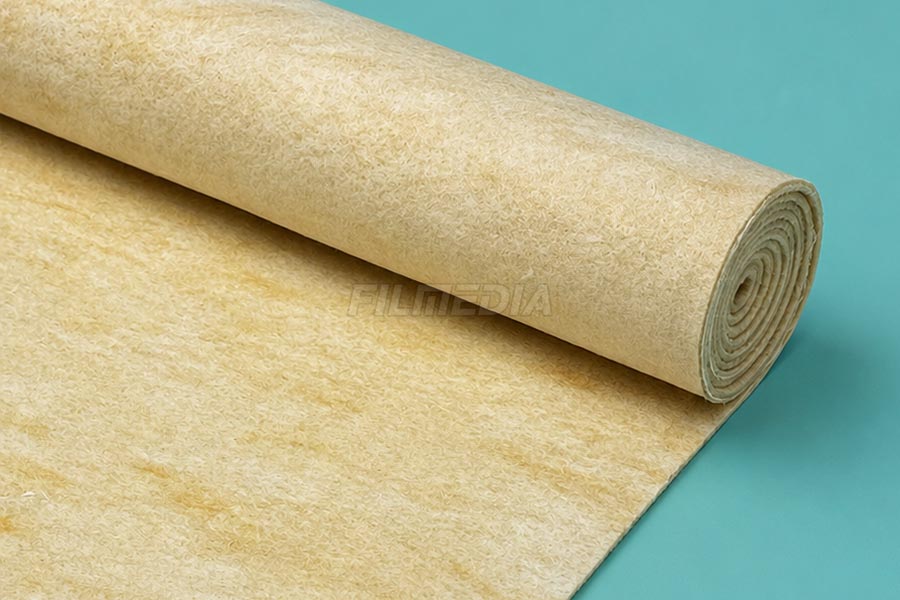
FMS Needle-Punched Felt Filter Fabric
Excellent Capable of withstanding higher gas temperatures. Normal operating temperatures range from 260°C to 300°C, with some varieties able to withstand temperatures up to 450°C.high-temperature resistance
While conventional high-temperature filter bags often require replacement every 3 months under harsh conditions, FMS filter bags reliably extend service life to 4 to 5 months or longer. In specific applications like blast furnace gas purification, its lifespan can reach more than double that of standard fiberglass needle felt. This drastically minimizes downtime for bag change-outs, directly cutting labor and maintenance costs.
It can withstand gas filtration loads of 60–90 m³/h with stable operation at filtration velocities of 1.0–1.5 m/min or higher, exhibiting excellent adaptability to fluctuations in industrial air volumes.
With extremely low operational resistance and excellent air permeability, the residual dust concentration in the purified gas is typically below 35 mg/m³, fully complying with stringent environmental emission standards.
Combining superior tensile strength and elongation characteristics, FMS will not undergo dimensional shrinkage or creep under long-term, alternating thermal stress.
Description
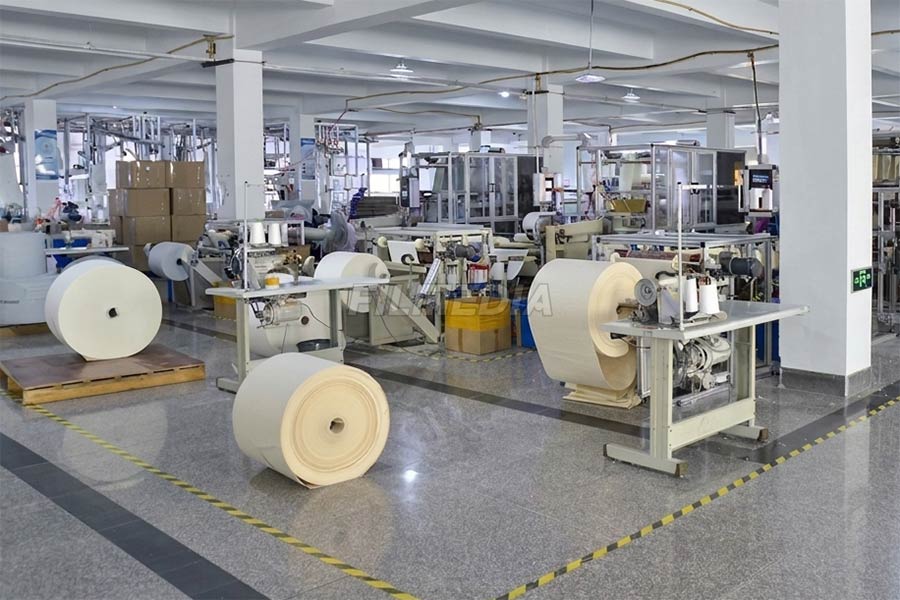
FMS (Composite Filter Media) is a new-generation high-performance, high-temperature filtration medium specifically engineered for dust collection and flue gas filtration in extremely demanding industrial environments. Overcoming the limitations of conventional single-fiber filter materials, FMS is manufactured by blending two or more layers of heat-resistant fibers—primarily high-quality fiberglass combined with high-temperature fibers such as Aramid (Nomex®) and PPS (Polyphenylene Sulfide). These fibers are carefully mixed in optimized proportions and mechanically interlocked through a precision multi-layer needle-punching process, creating a highly durable composite filtration structure with superior thermal, mechanical, and chemical performance.
As a manufacturer of premium needle-felt filtration materials, Filmedia® leverages extensive industry experience and a team of technical experts to gain a deep understanding of filtration requirements across diverse operating conditions. We provide scientifically sound, practical, and reliable filtration solutions tailored to our customers’ specific applications. Our comprehensive technical support—encompassing material selection, product design, and process optimization—aims to enhance filtration efficiency, extend product service life, and reduce overall operating costs.
Technical Data
| fiber | Fiberglass fiber,P84 fiber, Aramid fiber | ||
| scrim | fiberglass yarn | ||
| Weight(gsm) | 850 | ||
| Thickness(mm) | 2.4 | ||
| Width(m) | ≤2.2 | ||
| Finish treatment | PTFE impregnation | ||
| Air permeability(L/m2.s) | 200-300 | ||
| Tensile strength(N/5cm) | warp | 1300 | |
| weft | 1500 | ||
| Tensile elongation(%) | warp | 8 | |
| weft | 5 | ||
| Temperature(°C/°F) | Continue | 240 | |
| Instant | 280 | ||
| Anti-acid | Good | ||
| Anti-alkali | Good | ||
| Anti-abrasion | Good | ||
| hydrolysis stability | Middle | ||
FMS vs. Traditional Filter Media
| Performance Metric | FMS High-Temp Needle Felt | Traditional Fiberglass Filter Bag | Conventional High-Temp Synthetic Felt (e.g., Pure Nomex) |
| Abrasion Resistance | Excellent (Synthetic fibers coat the fiberglass, drastically reducing wear) | Poor (Glass fibers rub against each other, causing self-fracture) | Good |
| Flex Resistance | Outstanding (Withstands repeated mechanical pulse-jet back-flushing) | Fragile (Prone to bending fatigue and breakage) | Excellent |
| Dimensional Stability | Extremely High (Rigid skeleton prevents stretching or deformation) | Extremely High | Poor (Prone to high-temperature stretching and stress creep) |
| Filtration Velocity / Load | High (1.0 – 1.5 m/min) | Low (Typically < 0.5 – 0.8 m/min) | Medium |
| Temperature & Corrosion Resistance | Balanced & Comprehensive | High temperature resistance, but vulnerable to flexing | Varies by material (Nomex is susceptible to hydrolysis/acids) |
| Overall Cost-Effectiveness | Extremely High (Cost is only 10-20% higher than fiberglass, but lifespan is doubled) | Low initial cost, but high maintenance and replacement frequency | Expensive (Significantly higher price point than FM |
Post-processing Technology
The ability of FMS needle felt to perform reliably under a wide range of harsh and complex operating conditions is largely attributed to the advanced surface finishing treatments applied after manufacturing.
- Water & Oil Repellent Treatment
The filter media is impregnated or coated with fluorocarbon resins and other specialized additives, creating an extremely low surface energy layer on the fiber surface. This treatment is particularly suitable for applications involving high humidity, oily fumes, or conditions prone to condensation. Water and oil droplets are prevented from penetrating the fibers, effectively reducing bag blinding and significantly improving dust cake release and cleaning performance.
- Antistatic Treatment
Conductive fibers are blended into the scrim or surface layer, or a conductive coating is applied to the filter media surface. This enables the filter bag to safely dissipate static electricity. It is especially important for handling combustible or explosive dusts, helping prevent fire and explosion hazards caused by electrostatic discharge and greatly enhancing operational safety.
- PTFE (Polytetrafluoroethylene) Membrane Lamination
A microporous PTFE membrane is laminated onto the surface of the FMS filter media using a specialized bonding process. This treatment transforms the conventional “depth filtration” mechanism into highly efficient “surface filtration,” resulting in superior dust collection efficiency, lower pressure drop, and easier filter cleaning.
- PTFE Impregnation
PTFE (polytetrafluoroethylene) emulsion deeply penetrates the fibers, forming a corrosion-resistant protective film on the surface that comprehensively enhances resistance to acids, alkalis, and oxidation.
Application Industries
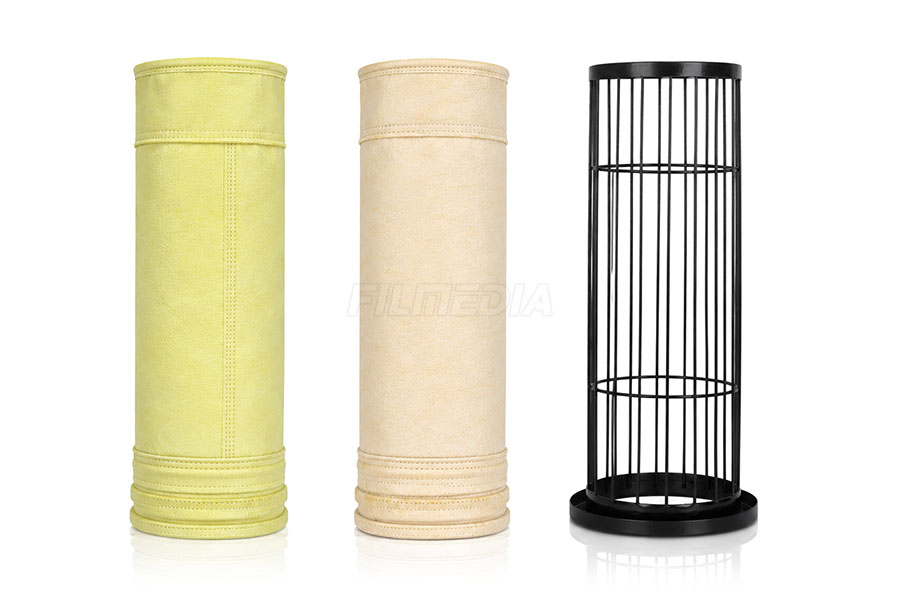
As a benchmark product specifically developed to handle high-temperature flue gas in heavy industry, FMS high-temperature needle-punched filter bags are widely used in the following industries:
- Iron & Steel Plants
- Cement Plants
- Power Generation Plants
- Waste Incineration Facilities
- Metallurgical Industries
- Ferroalloy Production
- Carbon Black Manufacturing
- Chemical Processing Plants
- Asphalt Mixing Plants
- Calcium Carbide Plants
- Non-Ferrous Metal Smelting