Home » Solid-Liquid Separation
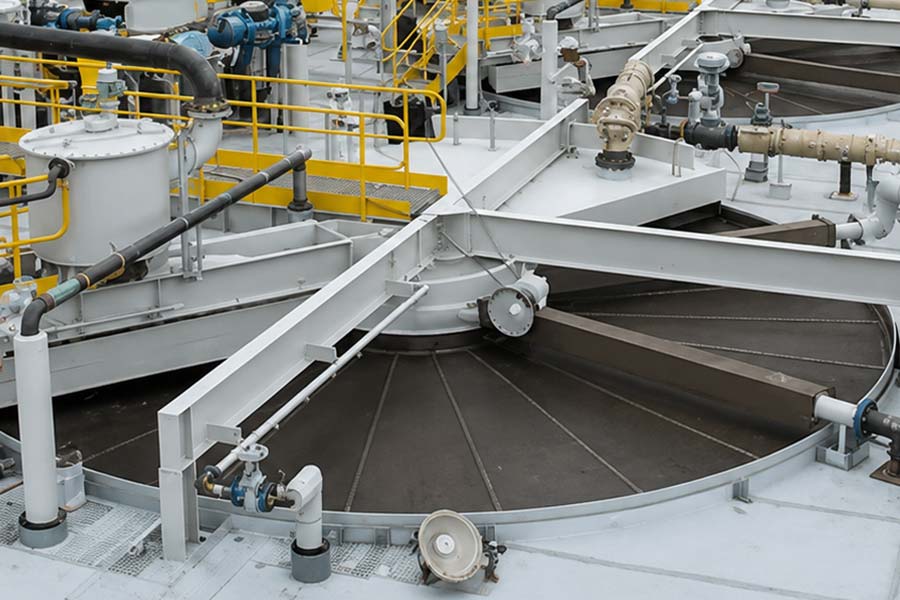
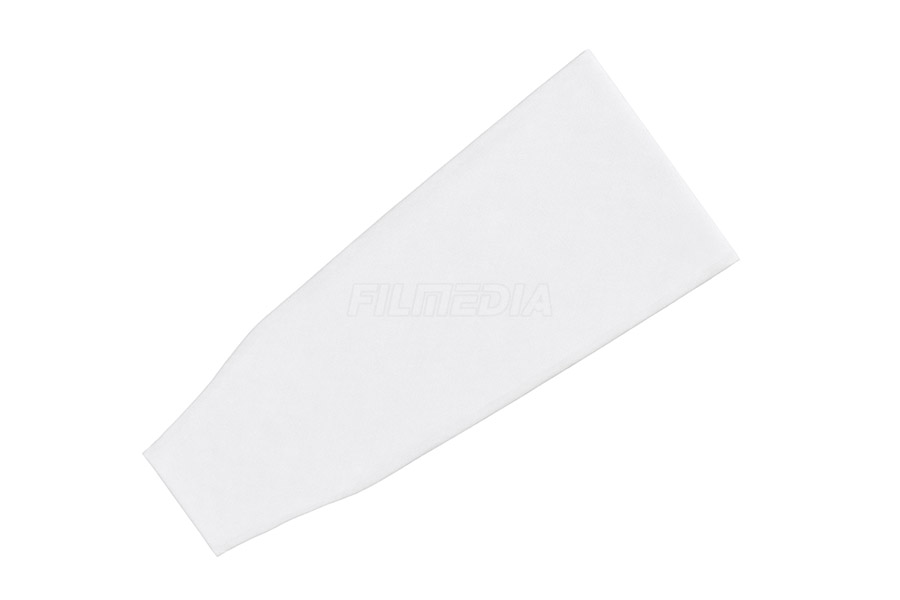
Selecting the appropriate filter cloth directly affects dewatering efficiency and discharge performance. Filmedia® specialize in filter cloth customization, ensuring a perfect geometric fit for your specific machine diameter and process requirements. By combining high particle retention with maximum cake release, our filter cloths maximize your equipment’s uptime and processing capacity.
☑ Premium Materials
Available in PET (Polyester), PP (Polypropylene), and PA (Polyamide/Nylon) to meet diverse chemical compatibility and temperature requirements.
☑ Flexible Closure Mechanisms
Custom-made with robust closure options, including heavy-duty zippers or industrial Velcro, for quick installation and a secure, leak-free fit.
Product Advantages
Engineered to trap fine solid particles while ensuring the filter cake releases cleanly, minimizing product loss and manual scraping.
The cloth undergoes advanced calendering and surface finishing, allowing for effortless cake discharge and fast, effective backwashing.
Ensures consistent filtration accuracy, stable flow rates, and reliable particle separation across the entire surface.
Optimized weave patterns prevent premature clogging (blinding), maintaining optimal vacuum efficiency throughout prolonged operation.
Built for durability, these cloths withstand frequent cleaning cycles and harsh operating conditions, significantly reducing downtime and replacement costs.
Material Selection for Filter Cloth
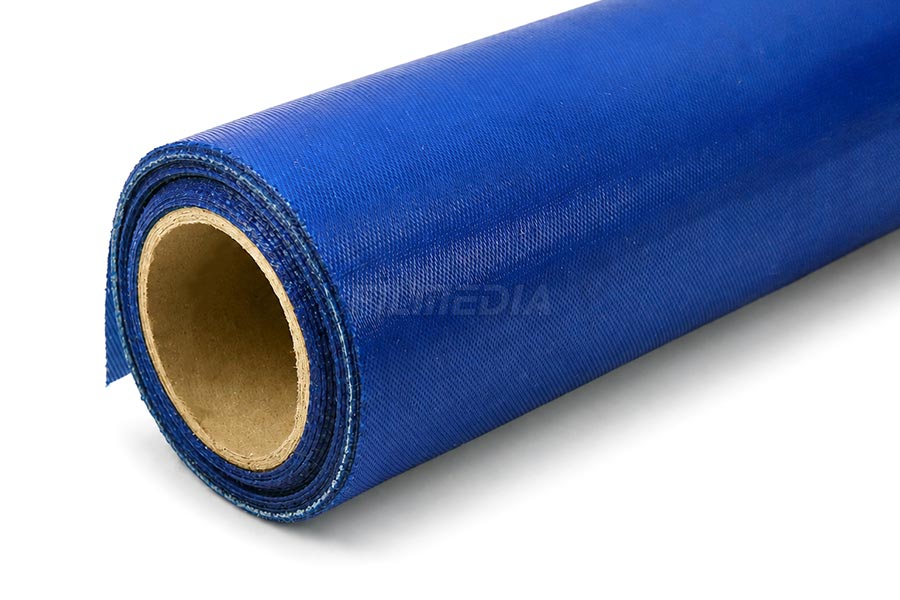
- It possesses extremely high mechanical strength and excellent dimensional stability. It exhibits strong resistance to inorganic acids (such as hydrochloric acid and sulfuric acid), but is highly susceptible to molecular chain hydrolysis and scission in high-temperature, strongly alkaline environments.
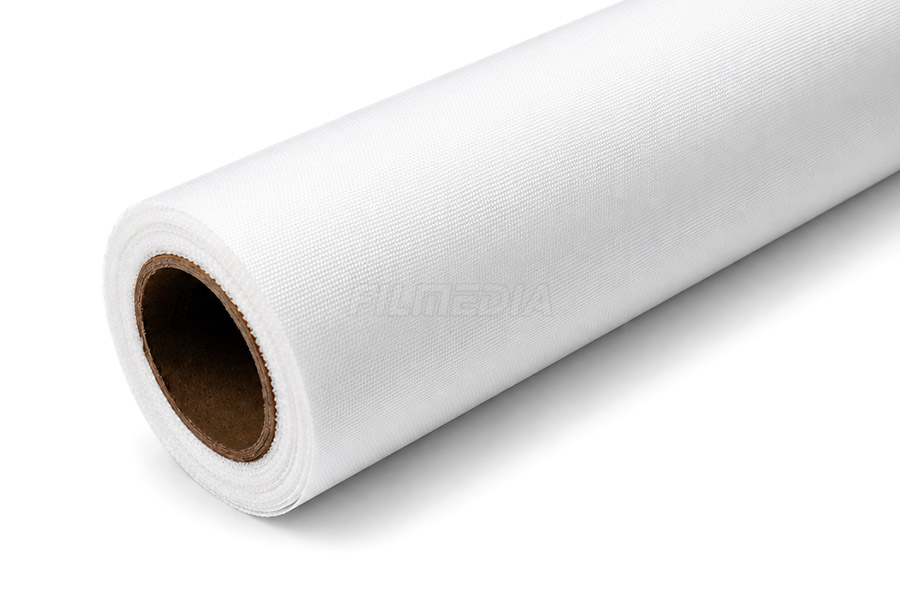
- It exhibits negligible water absorption and near-perfect chemical inertness, offering top-tier resistance to both acids and alkalis. Its critical weakness lies in its performance regarding temperature fluctuations; at temperatures exceeding 80°C, it is highly prone to softening and creep, leading to the deformation of filter cloth pores and failure due to stretching.
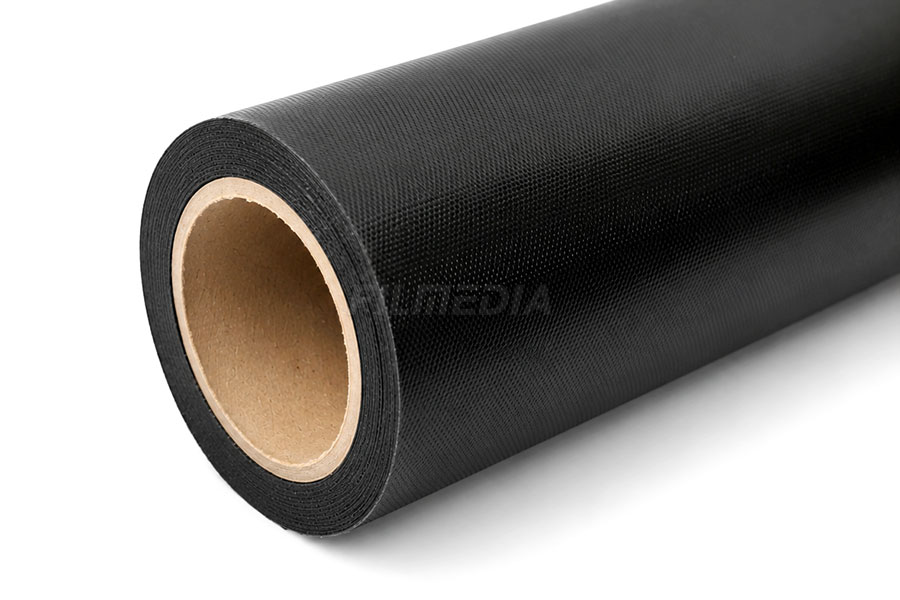
- It possesses strong wear resistance and impact resistance, and excellent alkali resistance. However, it is extremely susceptible to acid damage; and it has a high water absorption and swelling rate (its dimensions will change slightly when wet).
Comparison of Filter Media Performance
| Material | Acid Resistance | Alkali Resistance | Continuous Operating Temperature | Abrasion Resistance | Relative Cost |
|---|---|---|---|---|---|
| Polyester (PET) | Excellent | Fair | ≤130°C | Good | Low |
| Polypropylene (PP) | Excellent | Excellent | ≤90°C | Moderate | Low |
| Nylon (PA) | Fair | Excellent | ≤120°C | Excellent | Medium |
Industry Applications
Our filter fabrics are widely used for solid-liquid separation in sectors such as chemicals, pharmaceuticals, metallurgy, and mineral processing. They are particularly suitable for:
- Titanium Dioxide
- Aluminum Oxide
- Precious Metals
- Rubber Additives
- Phosphoric Acid Production
Horizontal Pan Filter Working Principle
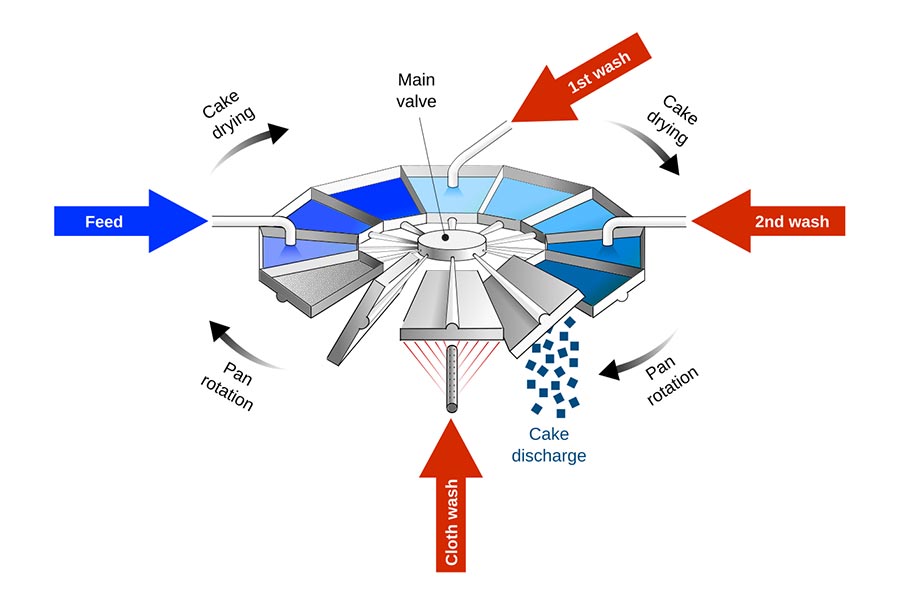
The horizontal pan filter is a continuous vacuum-driven solid–liquid separation equipment that operates based on pressure difference (vacuum suction) and gravity to achieve efficient filtration and cake discharge.
The slurry is continuously fed into the rotating pan structure and evenly distributed across the horizontal filter surface. This ensures a uniform filtration layer and stable operating conditions.
When the filter surface enters the slurry zone, a vacuum is applied underneath the filter medium. The pressure difference forces the liquid phase to pass through the filter cloth, while solid particles are retained on the surface, gradually forming a filter cake.
As the filter disc continues to rotate out of the slurry, the formed filter cake remains under vacuum suction. Residual moisture inside the cake is further removed, improving solid dryness and filtration efficiency.
If required by the process, a washing liquid is applied to the filter cake to remove impurities or recover valuable components. The wash liquid is then drawn through the cake and filter cloth under vacuum.
In the discharge zone, vacuum is released or reversed (depending on design), and the dried filter cake is removed by scraper blades, blow-back air, or automatic discharge systems.
The filtrate passes through the filter cloth and flows into internal drainage channels, then is collected and discharged through a central valve system for further processing or reuse.