
Home » Solid-Liquid Separation
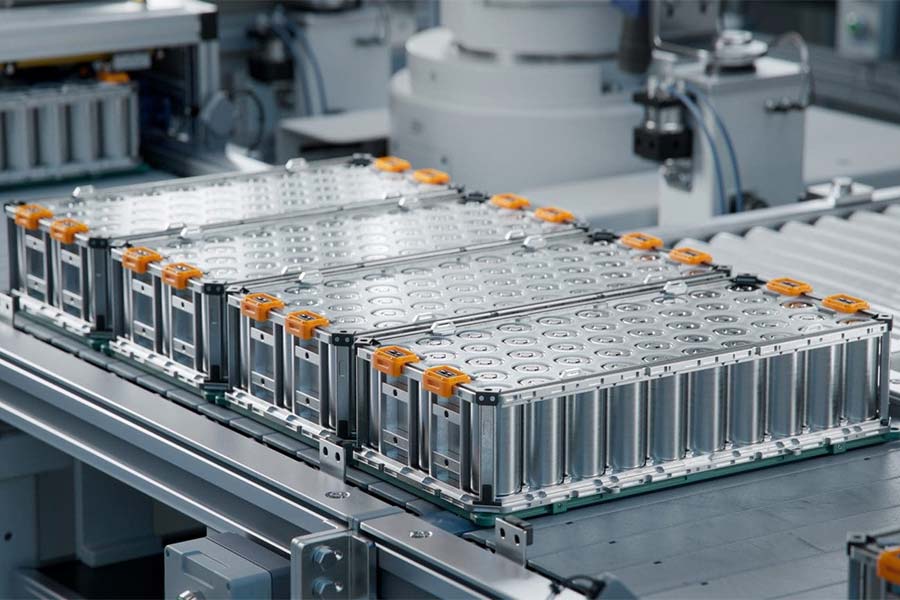
Solid-liquid separation is a critical stage in the lithium-ion battery industry—encompassing the production and purification of battery materials as well as resource recovery—that directly influences material purity, product quality, production efficiency, and resource utilization. In processes such as the preparation of cathode material precursors, the washing of precipitates, the purification of lithium salts, and the hydrometallurgical recycling of spent batteries, efficient solid-liquid separation facilitates the removal of impurities, the recovery of valuable metals, and the reduction of moisture content in filter cakes, while also easing the burden on downstream drying operations and waste-liquid treatment. Include:
- Lithium iron phosphate (LFP) batteries
- Ternary lithium-ion (NMC/NC) batteries
- Lithium cobalt oxide (LCO) batteries
- Lithium manganese oxide (LMO) batteries
- Lithium titanate (LTO) batteries
Filmedia® provides customized filter cloth selection and filtration solutions tailored to different process requirements in lithium battery material production, precursor washing, solid-liquid separation, and end-of-life battery recycling.
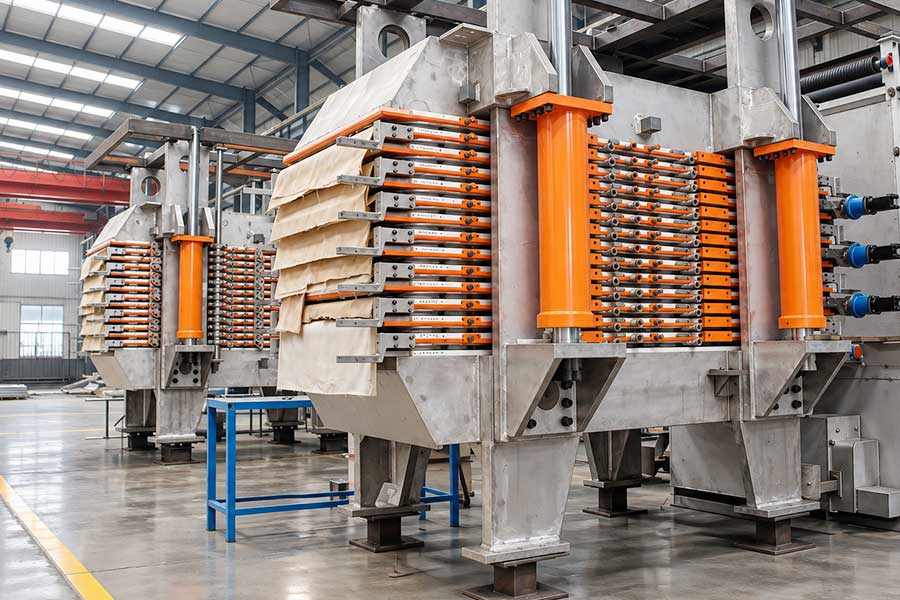
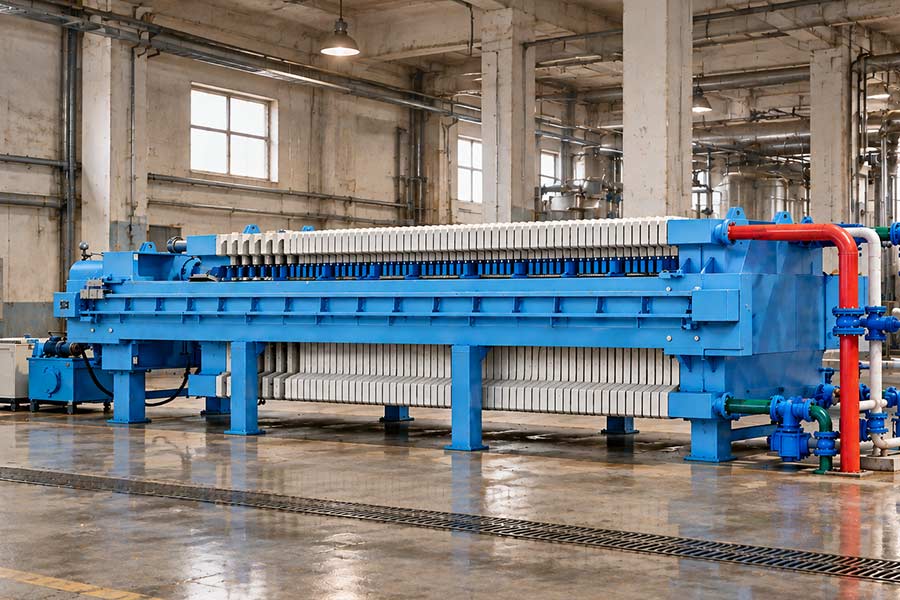
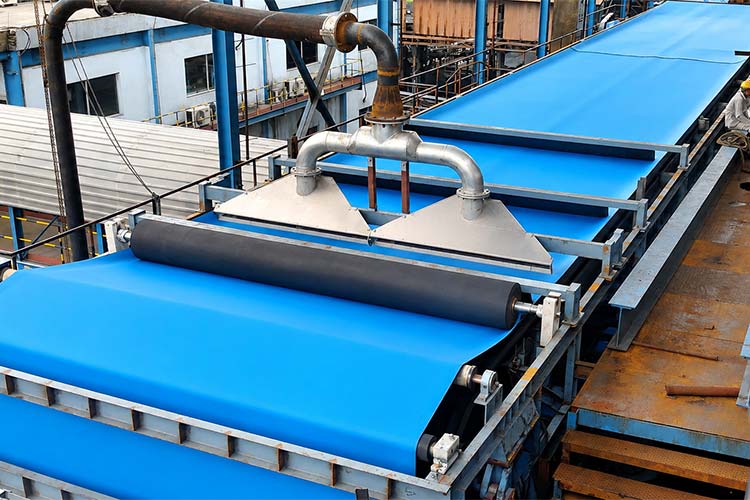
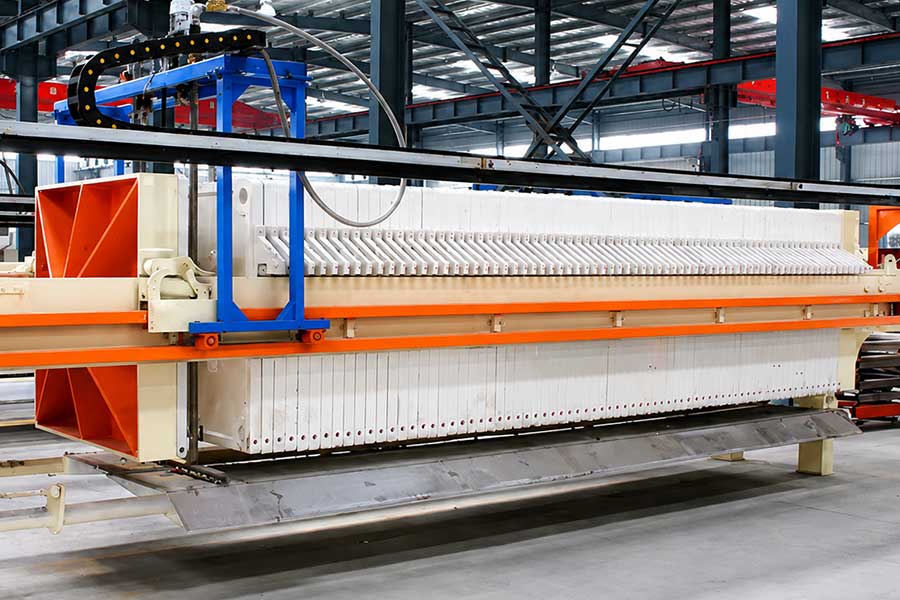
Filter Cloth
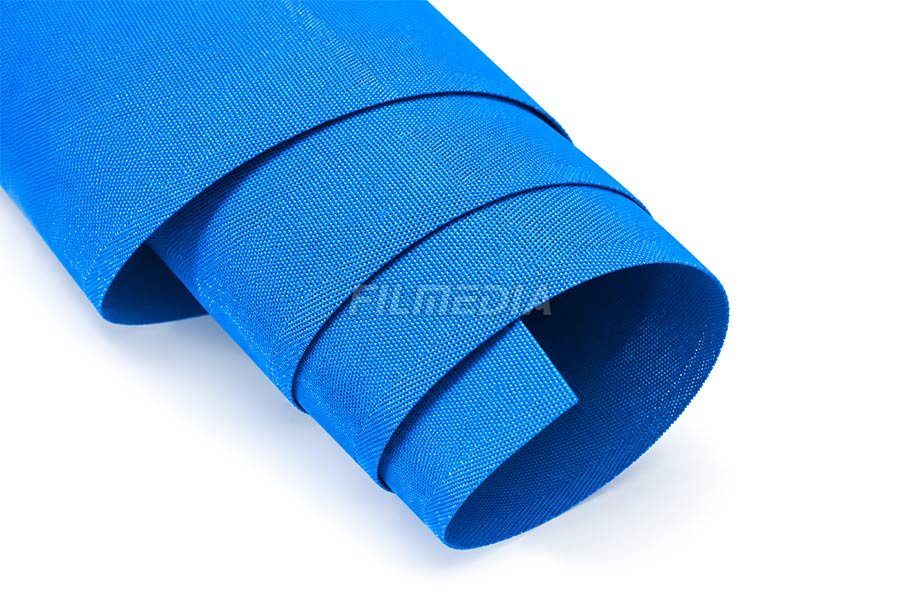
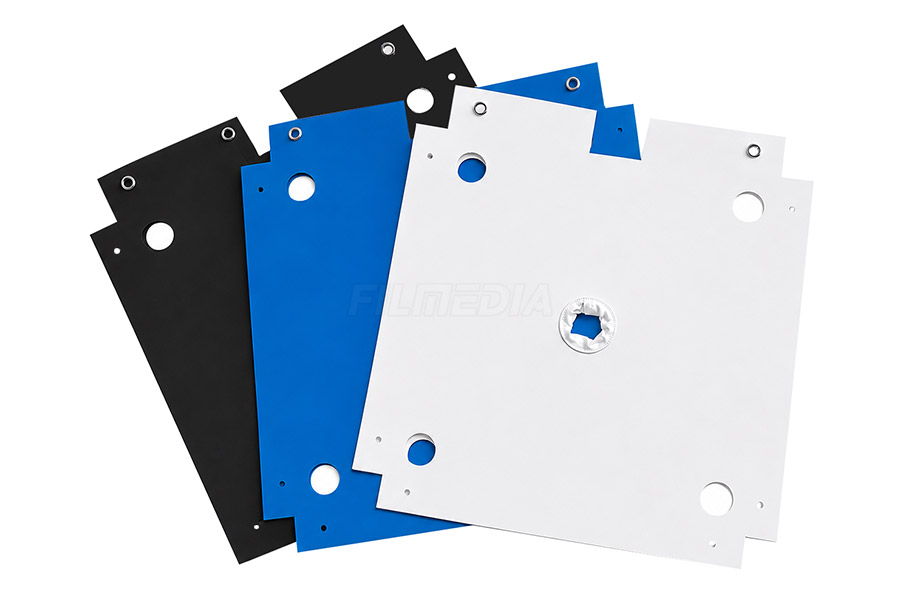
The selection of filter cloth for the lithium-ion battery industry primarily depends on the chemical properties of the materials, particle size, filtration precision, operating temperature, filtration pressure, as well as requirements for filter cake discharge and filter cloth regeneration. Performance requirements for filter cloth vary significantly across different production processes—particularly in solid-liquid separation applications such as cathode material preparation, precursor washing, lithium salt purification, and the hydrometallurgical recycling of spent batteries.
Key Requirements
1. Chemical Resistance
Filtration media may be exposed to substances such as sulfuric acid, hydrochloric acid, alkaline solutions, lithium salt solutions, and various other chemical agents. The fiber material for the filter cloth must be selected based on the specific chemical composition, concentration, temperature, and duration of exposure to ensure adequate resistance to acids and alkalis, thereby preventing a loss of strength, fiber damage, or a reduction in service life.
2. Filtration Precision and Filtrate Clarity
Slurries used in lithium-battery materials typically contain fine particles, and certain processes impose strict requirements regarding the levels of suspended solids and foreign matter in the filtrate. The filter medium must feature a stable pore structure and effective particle-retention capabilities, while ensuring that the filtration precision is not so high as to cause a reduction in filtration rate or rapid clogging.
3. Water Permeability and Dewatering Efficiency
Filter media must effectively retain solid particles while allowing liquid to pass through readily. Appropriate water permeability helps increase filtration rates, shorten filtration cycles, and facilitate the formation of a filter cake with lower moisture content and a more stable structure.
3. Filter Cake Release and Anti-Clogging Performance
Precursors, metal hydroxides, and slurries derived from battery recycling may contain fine or sticky particles. The filter cloth should possess an appropriate surface smoothness, fabric structure, and dimensional stability to minimize particle embedding, filter cake adhesion, and pore clogging, thereby improving discharge efficiency.
4. Mechanical Strength and Fatigue Resistance
Filter press cloths must withstand mechanical loads resulting from feed pressure, the weight of the filter cake, and repeated cycles of discharge and cleaning. High tensile strength, good abrasion resistance, resistance to deformation, and dimensional stability help reduce damage to the filter cloths and the frequency with which they need to be replaced.
Comparison of Filter Cloth Materials
| Filter Cloth Material | Key Advantages | Typical Applications | Selection Considerations |
|---|---|---|---|
| Polypropylene (PP) | Good resistance to acids and alkalis, low water absorption, lightweight, and good mechanical properties | Cathode precursor washing, lithium salt filtration, hydrometallurgical recycling, and general acid/alkali slurry dewatering | Verify resistance to oxidizing media and durability under actual temperature and pressure conditions |
| Polyester (PET) | High tensile strength, good abrasion resistance, and dimensional stability | Solid-liquid separation processes with relatively mild chemical conditions and high mechanical strength requirements | Not recommended for strong alkalis, high temperatures, or chemically incompatible environments without verification |
| Polyamide (PA, Nylon) | Good abrasion resistance, toughness, and mechanical flexibility | Selected slurry filtration processes requiring wear resistance and mechanical toughness | Relatively high moisture absorption; evaluate chemical compatibility and dimensional changes |
| Polyvinylidene Fluoride (PVDF) | Excellent resistance to many chemical media, weathering, and corrosion | Specialized filtration applications with demanding chemical compatibility requirements | Generally higher cost; confirm product construction, temperature resistance, mechanical properties, and filtration performance |
(Note: Polypropylene (PP) is generally a preferred material to evaluate for filter cloths in the lithium-ion battery industry; however, it is not the optimal choice for every operating condition. In cases involving strongly oxidizing acids, high-temperature concentrated alkalis, or complex mixed media, material compatibility must be verified against the specific process conditions. Similarly, PVDF cannot always serve as a direct, one-to-one replacement for conventional woven filter cloths; therefore, it is essential to ensure that the specific product form is compatible with the filter press equipment.)
Filter Cloth Recommendations for Different Lithium Battery Processes
| Application | Main Filtration Tasks | Recommended Selection |
|---|---|---|
| Ternary precursor washing and dewatering | Solid-liquid separation, removal of residual mother liquor and soluble impurities | PP woven filter cloth; prioritize alkali resistance, fine-particle retention, and washing efficiency |
| Wet processing of iron phosphate and lithium iron phosphate (LFP) materials | Precipitate filtration, washing, and dewatering | PP multifilament or composite-yarn filter cloth; adjust the weave according to particle size and slurry characteristics |
| Lithium carbonate and lithium hydroxide purification | Filtration of crystals or precipitates | Select PP or another compatible material based on solution chemistry, temperature, and particle size |
| Hydrometallurgical battery recycling | Solid-liquid separation of leaching slurries, metal precipitates, and recycling residues | Evaluate PP for acid resistance and temperature suitability; assess chemical compatibility under highly corrosive conditions |
| General slurry filtration in battery material production | Particle removal, liquid recovery, or dewatering | Determine material and weave according to solids content, particle size, filtration pressure, and cake properties |