
Home » Heavy Duty Woven Fabrics
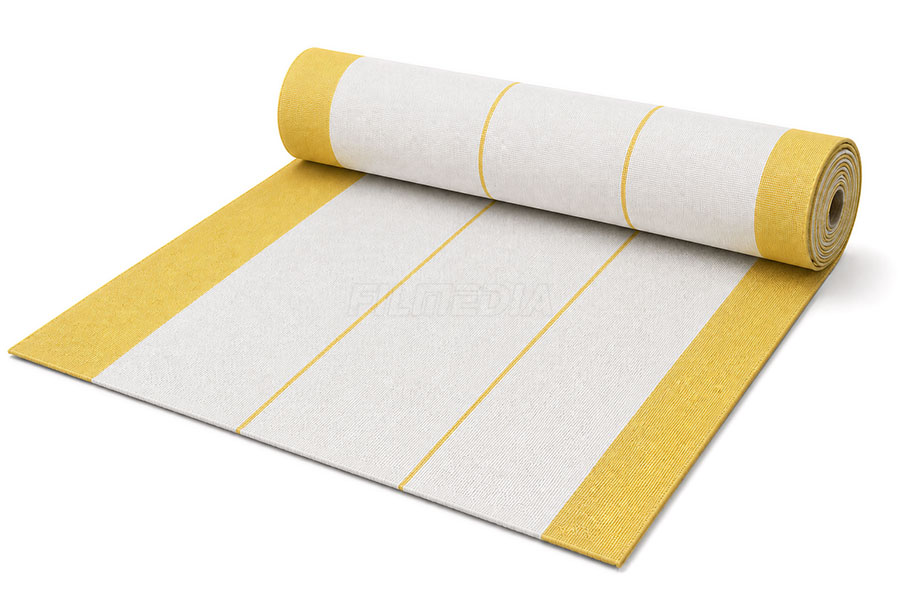
The corrugator belt (corrugated board conveyor belt) is a core conveying component of the double backer in a corrugated board production line. It is primarily used to support, transport, and press the corrugated board while facilitating the rapid removal of moisture during production, thereby enabling stable, efficient, and continuous manufacturing.
Description
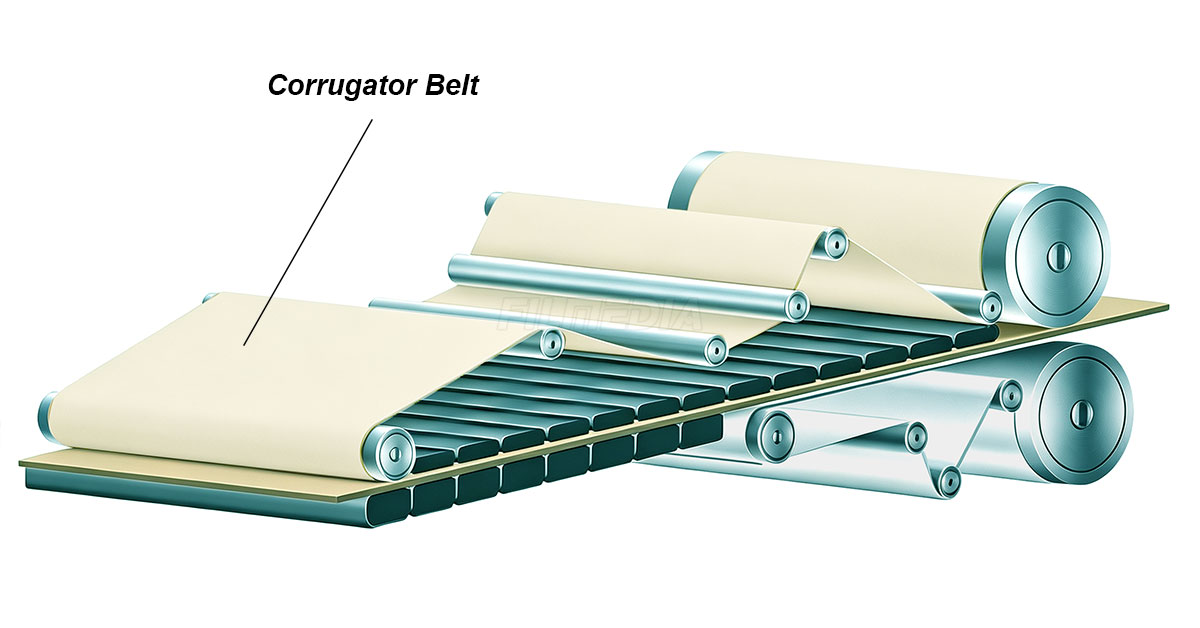
How the Corrugator Belt Works
- The upper corrugator belt runs directly on top of the cardboard, sandwiching the board between itself and the hot plates.
- Weight Rollers or Pressure Shoes push down on top of the moving corrugator belt. The belt evenly distributes this downward pressure across the entire width of the cardboard.
- The heat from the plates bakes the starch glue, while the belt’s high air permeability allows the steam from the wet glue to escape upward and out of the board.
Filmedia® provides the first grade corrugator belt with our advanced equipment by experienced engineers. Our corrugator belts are constructed from multiple layers of high-strength fabric and manufactured using premium synthetic fibers that offer excellent wear and heat resistance. With its stable operating performance and long service life, the corrugator belt effectively enhances the reliability of corrugated board production lines, reduces downtime for maintenance, and boosts production efficiency.
Our corrugator belts are manufactured from high-quality materials, providing excellent abrasion resistance and maintaining stable performance during long production cycles. This helps reduce replacement frequency and lower maintenance costs.
High-quality corrugator belts ensure more consistent corrugation results, improving board shape accuracy and enhancing the overall quality of finished cartons.
Designed to work with various paper grades and different production conditions, the belts provide reliable performance in diverse operating environments.
By reducing downtime, failures, and maintenance requirements, our corrugator belts help improve production efficiency and reduce operating costs.
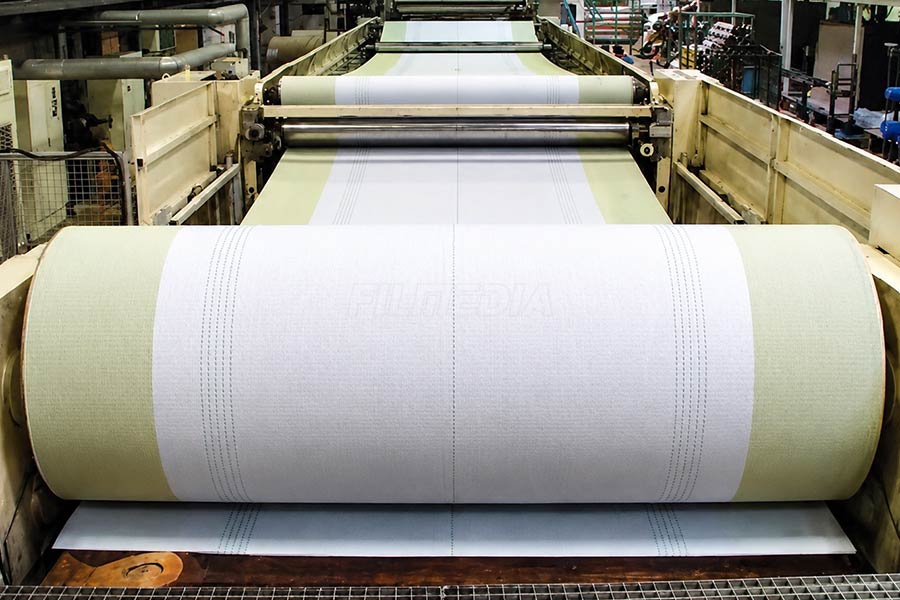
How to Choose the Right Corrugator Belt?
To meet the requirements of different corrugating machines and operating conditions, we offer a wide range of corrugator belts with various specifications and performance characteristics.
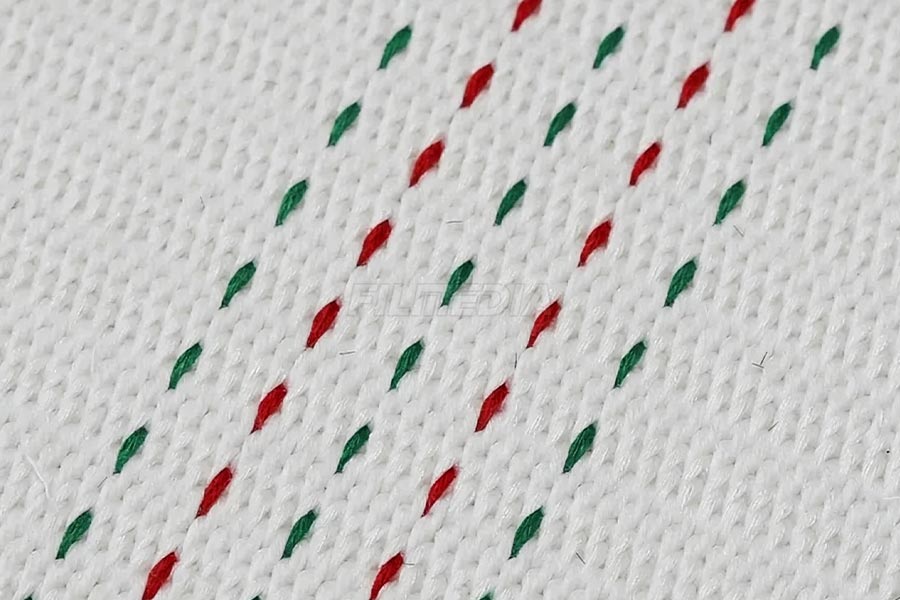
Polyester High-speed Belt
- Material: Polyester fiber.
- Thickness: 9mm(±0.3mm).
- Temperature resistance: Long time load 130℃, short time load 200℃, melting point of fiber 254℃.
- Width: 1600mm—3500mm.
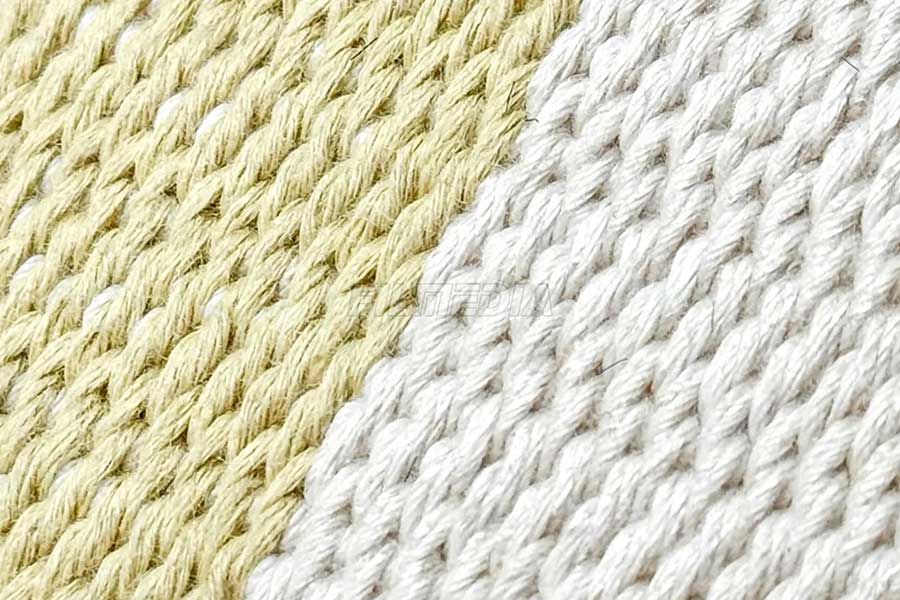
Hybrid High-speed Belt
- Material: Polyester fiber + aramid fiber.
- Thickness: 9mm (±0.3mm).
- Temperature resistance: Long time load 130℃, short time load 200℃, melting point of fiber 254℃.
- Friction coefficient: 0.42μ.
- Width: 1600mm—3500mm.
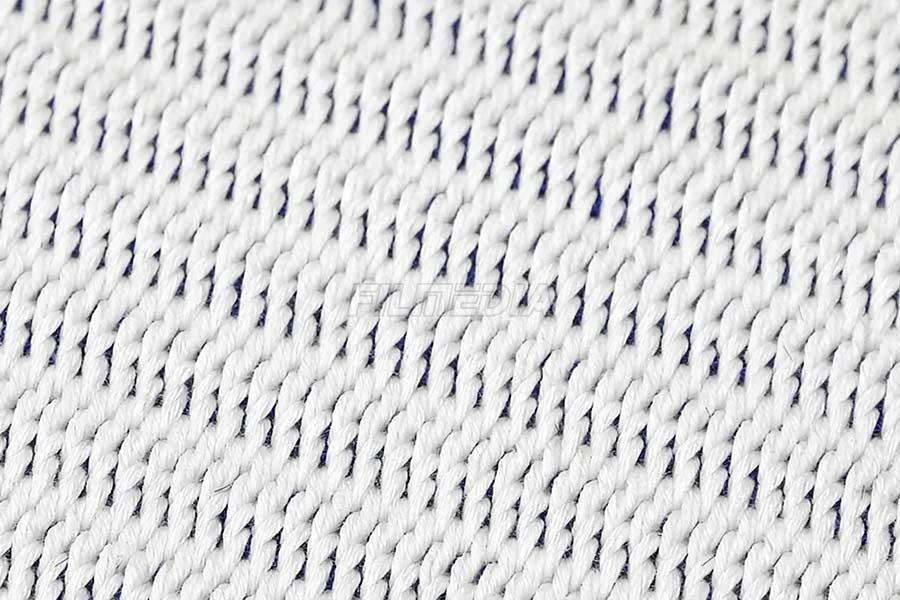
Superspeed Belt
- Material: Polyester fiber.
- Thickness: 8.0/8.5mm (±0.3mm).
- Temperature resistance: Long time load 130℃, short time load 200℃, melting point of fiber 254℃.
- Friction coefficient: 0.42μ.
- Width: 1600mm—3500mm.
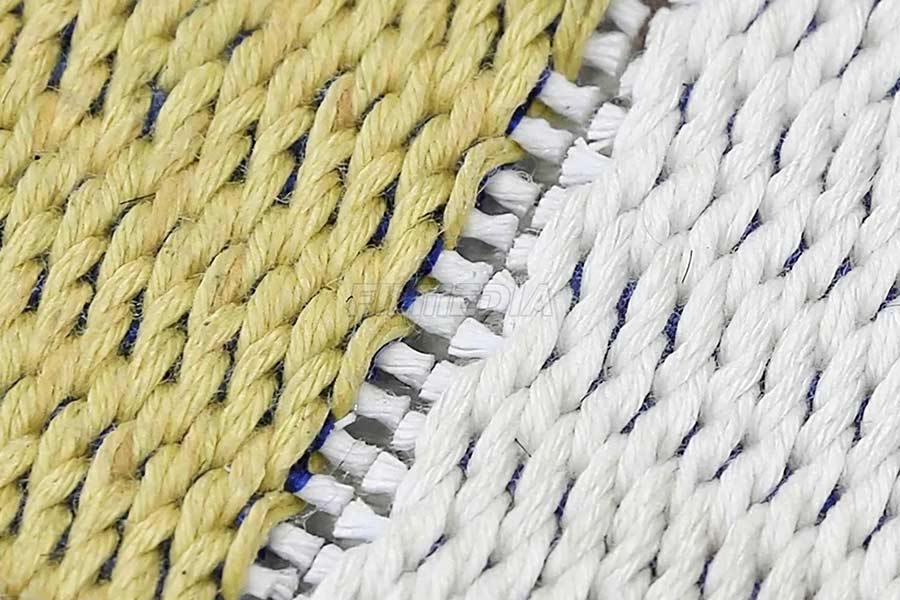
Hybrid Superspeed Belt
- Material: Polyester fiber+ aramid fiber.
- Thickness: 8.0/8.5mm (±0.3mm).
- Temperature resistance: Long time load 130℃, short time load 200℃, melting point of fiber 254℃.
- Friction coefficient: 0.42μ.
- Width:1600mm-3500mm.
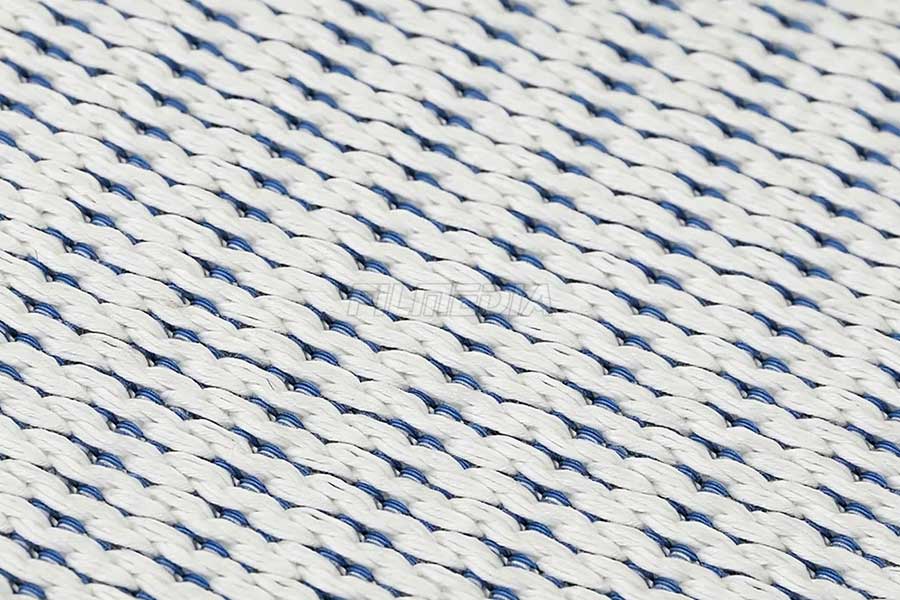
Antistatic Belt
- Material: Polyester fiber + aramid fiber + copper/ antistatic yarn.
- Thickness: 8.0/8.5mm (±0.3mm).
- Temperature resistance: Long time load 130℃, short time load 200℃, melting point of fiber 254℃.
- Friction coefficient: 0.44μ.
- Width:1600mm—3500mm.
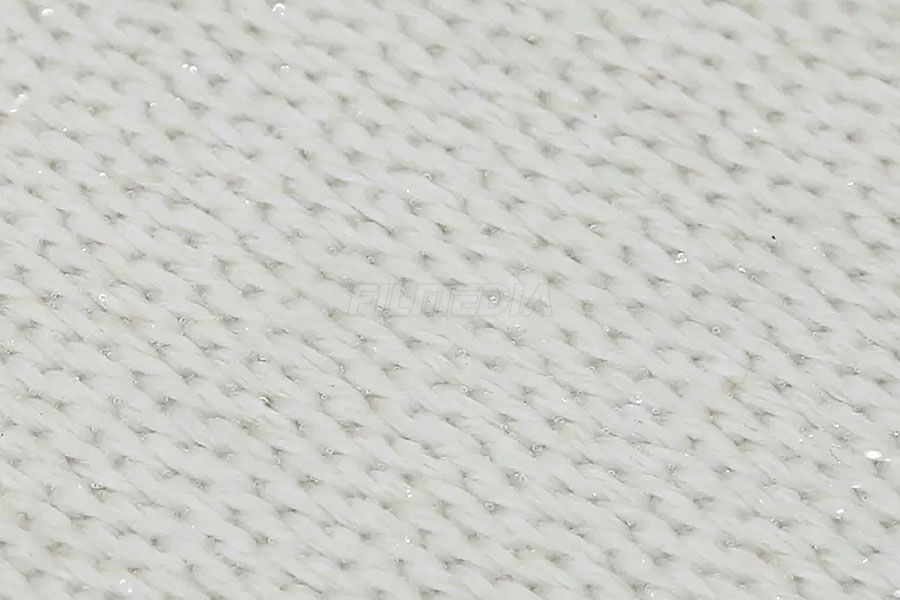
Coated Belt
- Material: Polyester iber + silicone coating.
- Thickness: 9.0/10mm (±0.3mm).
- Temperature resistance: Long time load 130℃, short time load 200℃, melting point of fiber 254℃.
- Friction coefficient: 1.32μ.
- Width: 1600mm-3500mm.
Corrugator Belt Seaming Methods
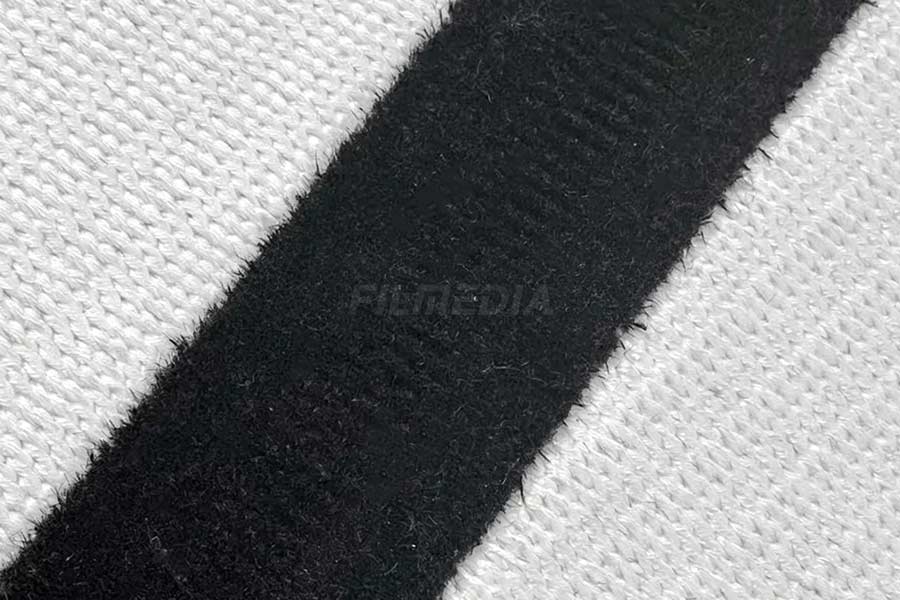
Silicone Rubber Cover Seam
It is a durable and flexible seaming method designed for corrugator belts operating under high temperature and continuous pressure conditions.
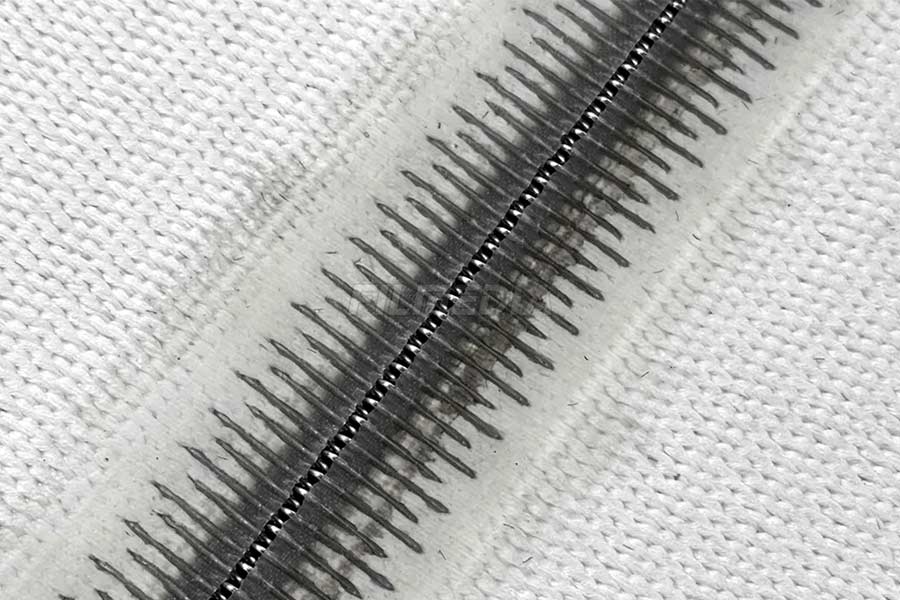
Hot Pressed Flocking Joint
It is a traditional and reliable corrugator belt joining method that uses heat and pressure to bond the belt ends together with flocking material.