
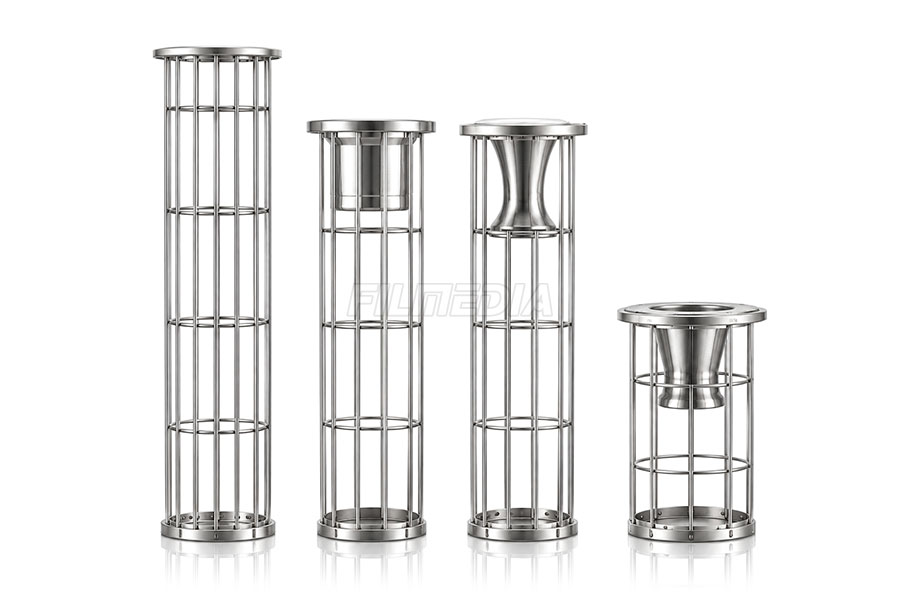
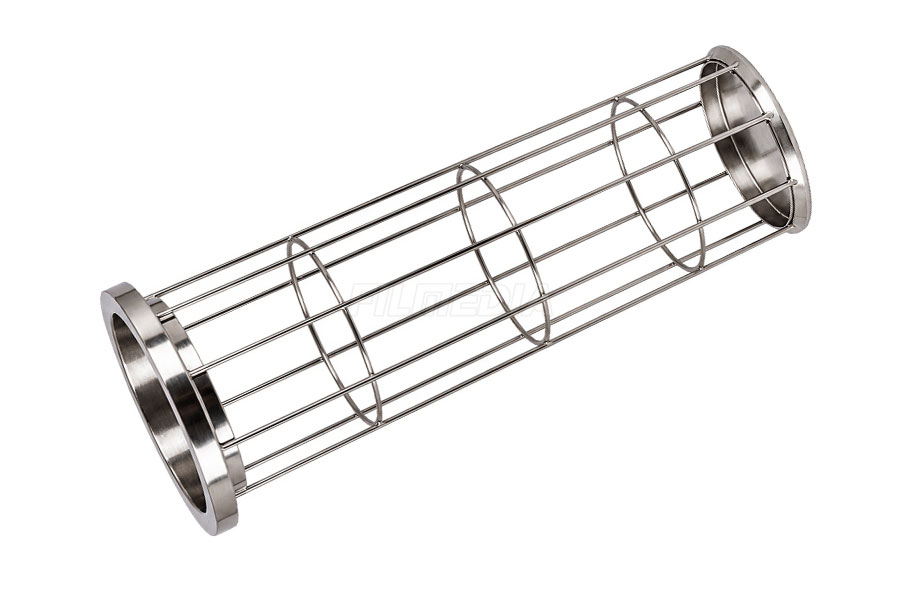

If your dust collection system operates under any of the following conditions, stainless steel filter bag cages are generally a better choice than standard carbon steel cages:
- Humid Conditions: High moisture content in the inlet gas, frequent condensation, or moisture buildup during shutdowns.
- Corrosive Environments: The presence of acidic or alkaline gases, or dust containing corrosive substances.
- High Temperatures or Temperature Fluctuations: Continuous exposure to elevated temperatures or frequent heating and cooling cycles.
- High Cleanliness Requirements: Applications sensitive to secondary contamination caused by rust or particle shedding, where long-term equipment reliability is essential.
- Continuous Operation: Systems requiring high reliability, fewer maintenance shutdowns, and lower long-term maintenance costs.
Description
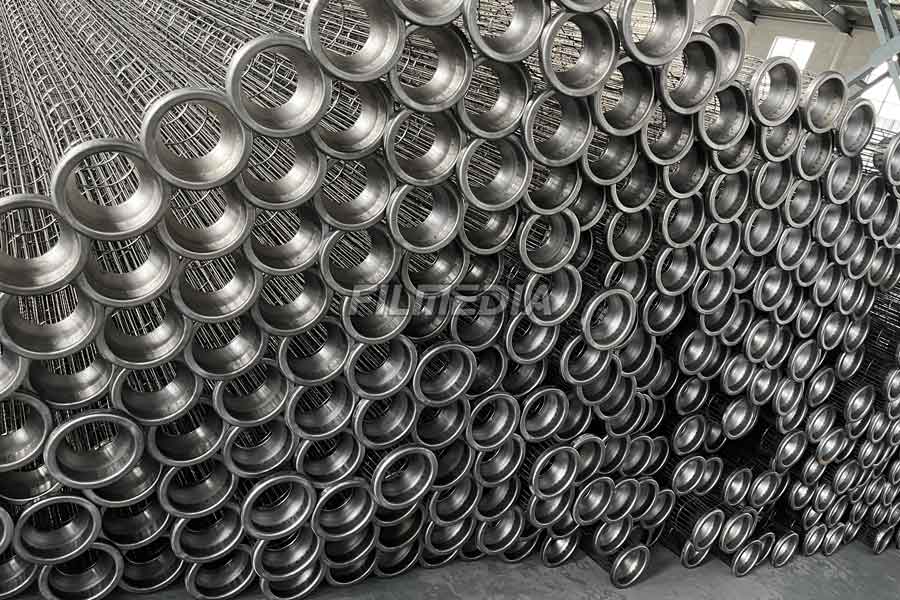


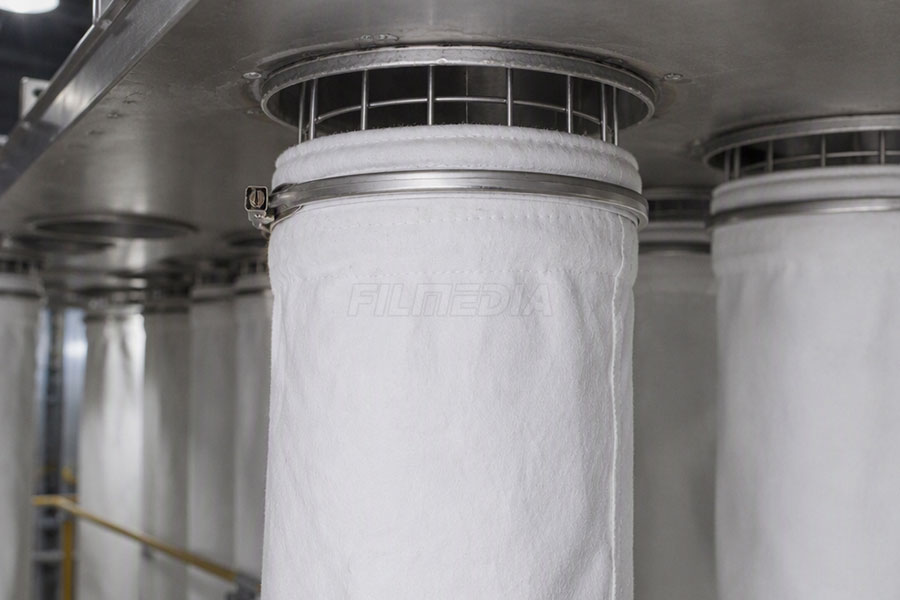
Stainless steel filter bag cages are widely used in pulse jet baghouse dust collectors across industries such as metallurgy, building materials, power generation, chemical processing, food processing, waste incineration, coal mining, and non-ferrous metal smelting. With excellent corrosion resistance, oxidation resistance, and structural stability, stainless steel filter bag cages are particularly suitable for demanding operating conditions, including humid and condensation-prone environments, as well as applications involving acidic or alkaline gases and corrosive dust.
Corrosion Resistance
Compared with standard carbon steel filter bag cages, stainless steel cages made from appropriately selected grades offer superior corrosion resistance, making them particularly suitable for humid, condensation-prone, and chemically corrosive dust collection environments. Excellent corrosion resistance not only helps prevent surface rust, material deterioration, and structural damage but also reduces the risk of filter bag abrasion, equipment failures, and unplanned downtime caused by cage corrosion.
High-Temperature Resistance
In dust collection systems exposed to high temperatures or frequent temperature fluctuations, filter bag cages must withstand not only continuous thermal stress but also repeated expansion and contraction caused by heating and cooling cycles. Selecting the appropriate stainless steel grade can improve oxidation resistance and structural stability under specific high-temperature conditions, helping minimize deformation and damage caused by oxidation, corrosion, and repeated thermal cycling.
Specifications
| Item | Typical Range |
|---|---|
| Cage Diameter | 80–300 mm |
| Cage Length | Customized |
| Vertical Wires | 5–24 |
| Ring Spacing | Customized |
| Shape | Round, Pleated, Oval, Flat, Trapezoidal |
| Material | 201, 304, 306 Stainless Steel |
| Connection Type | One-piece, Two-piece, Multi-section |
| Applicable Temperature | Up to 500°C (depending on material and coating) |
Common Structural Designs

Number of Vertical Wires (Round Cage)

Number of Vertical Wires (Oval Cage)

Bag Cage Tops

Bag Cage Bottoms