
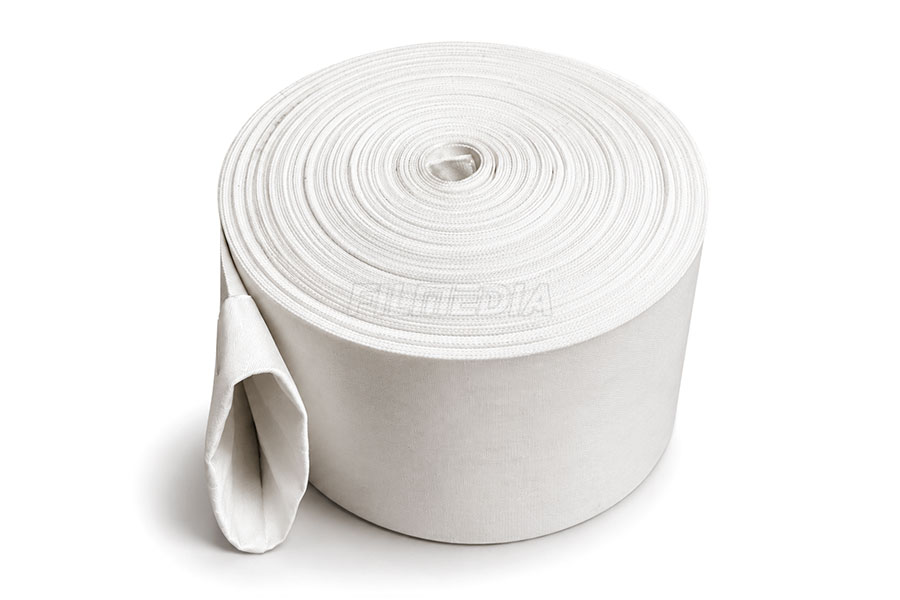
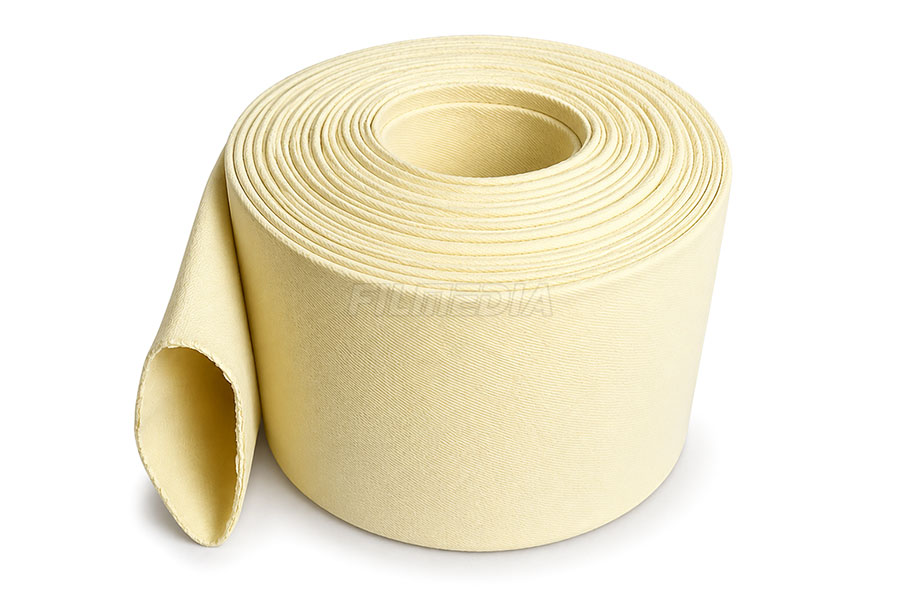
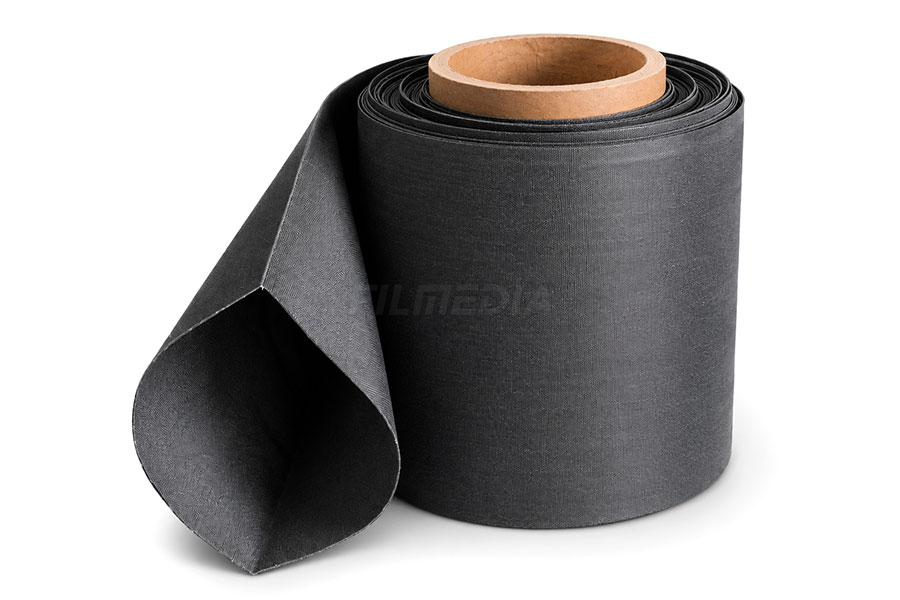
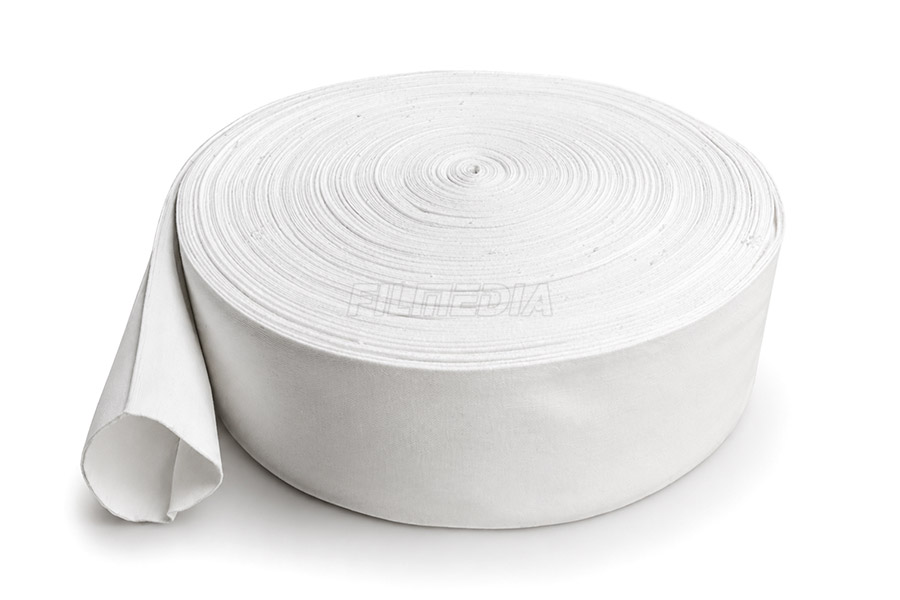
Seamless Tubular Filter Cloth for Candle Filters
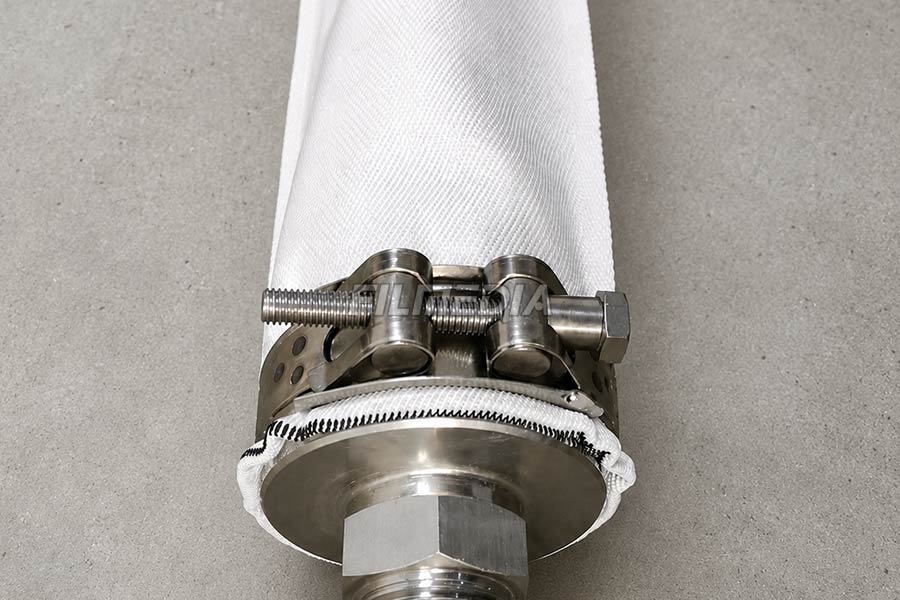
Seamless tube filter cloth is one of the most critical components used in candle filters, directly influencing filtration efficiency, product quality, and operating performance. The filter cloth is installed around the filter support structure and serves as the filtration medium, capturing and separating solid particles, suspended solids, and colloidal impurities from liquids or gases to achieve purification, clarification, or solid-liquid separation. Unlike sewn filter sleeves, seamless tube filter cloth is manufactured in a continuous tubular form without longitudinal seams. This seamless construction eliminates the risk of bypass leakage, provides uniform filtration across the entire surface, and offers greater mechanical strength and longer service life.
Materials
- Polypropylene (PP) Filtet Cloth.
- Polyester (PET) Filtet Cloth.
- Nylon (PA) Filtet Cloth.
- Polytetrafluoroethylene (PTFE) Filtet Cloth.
Description
Working Principle
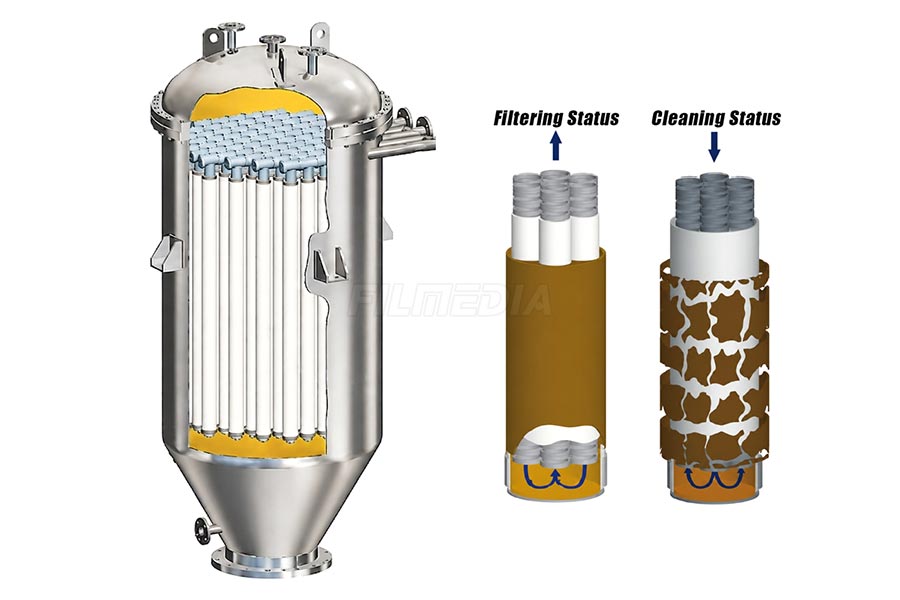
01. Filtering Status
When liquid passes through the filter cloth, solid substances from the liquid gradually accumulate on the surface. When these solid substances reach a certain thickness, a so-called “filter cake layer” is formed. Because the gaps between the particles in the filter cake layer are very small, it prevents particulate impurities in the liquid from escaping, thus clarifying the filtrate and achieving the required filtration effect for production.
02. Cleaning Status
After normal filtration for a period of time, if the filter cake layer exceeds a certain thickness, the rate at which the filtrate passes through the filter cake layer decreases, and the filtration efficiency deteriorates. It is then necessary to remove the “filter cake layer.” At this time, the system will perform a reverse blowing and cake removal operation based on signals provided by the pressure sensor, while simultaneously opening the valve at the bottom of the cylinder to discharge slag. Then, a new “filter cake layer” is rebuilt, and a new filtration cycle begins.
How to Choose the Right Filter Cloth?
When selecting filter cloth for candle filters, factors such as material characteristics, filtration requirements, and equipment conditions should be comprehensively considered to select filter cloth with appropriate material, precision, porosity, strength, cleaning performance, and installation method in order to achieve efficient, stable, and economical filtration operations.
01. Performance Comparison
| Material | Acid Resistance | Alkali Resistance | Continuous Operating Temperature |
|---|---|---|---|
| Polypropylene (PP) | Excellent | Excellent | ≤ 90°C |
| Polyester (PET) | Good | Fair | ≤ 130°C |
| Nylon (Polyamide) | Fair | Excellent | ≤ 115°C |
| Aramid (Nomex®) | Good | Fair | ≤ 200°C |
| Polytetrafluoroethylene (PTFE) | Excellent | Excellent | ≤ 260°C |
02. Filtration Precision
Filtration precision refers to the smallest particle size that a filter cloth can effectively retain, usually expressed in microns (μm). The required filtration precision should be selected according to the specific process requirements. Higher filtration precision generally provides better particle removal efficiency; however, it may also increase filtration resistance, reduce flow rate, and require more frequent cleaning or replacement.
03. Porosity and Air Permeability
The porosity and air permeability of a filter cloth directly affect filtration efficiency and pressure drop. Filter cloths with high porosity and excellent air permeability allow more fluid to pass through, reducing filtration resistance and increasing filtration speed. However, this may come at the expense of filtration precision. Conversely, filter cloths with lower porosity and reduced air permeability can achieve finer filtration performance but may result in slower filtration rates and higher pressure drops.
04. Strength and Abrasion Resistance
During operation, filter cloths are subjected to pressure, tension, and friction. Therefore, they must possess sufficient mechanical strength and abrasion resistance to ensure stable performance throughout the filtration cycle. Durable filter cloths help prevent tearing, deformation, and excessive wear, thereby maintaining consistent filtration efficiency and extending service life.
05. Cleaning and Regeneration Performance
After prolonged use, filter cloths accumulate filter cakes and contaminants that can clog the filtration media. Regular cleaning or regeneration is necessary to restore filtration performance. Selecting filter cloths with excellent cleanability and regeneration characteristics can significantly extend service life and reduce operating costs. Depending on the material and application, regeneration methods may include backwashing, ultrasonic cleaning, chemical cleaning, or other specialized cleaning processes.
Typical Application Industries
- Chemical Industry
- Fine Chemical Industry
- Pharmaceutical Industry
- Food & Beverage Industry
- Edible Oil Filtration
- Sugar Processing Industry
- Mining & Metallurgical Industry
- Water & Wastewater Treatment
- Catalyst Recovery
- Pigment & Dye Production
- Resin & Polymer Filtration
- Biodiesel & Renewable Energy Industry