
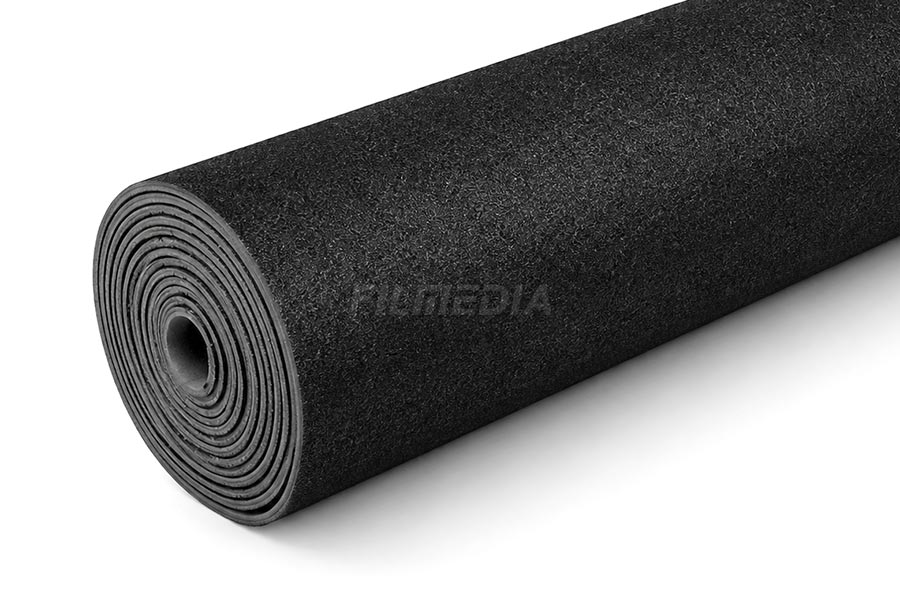
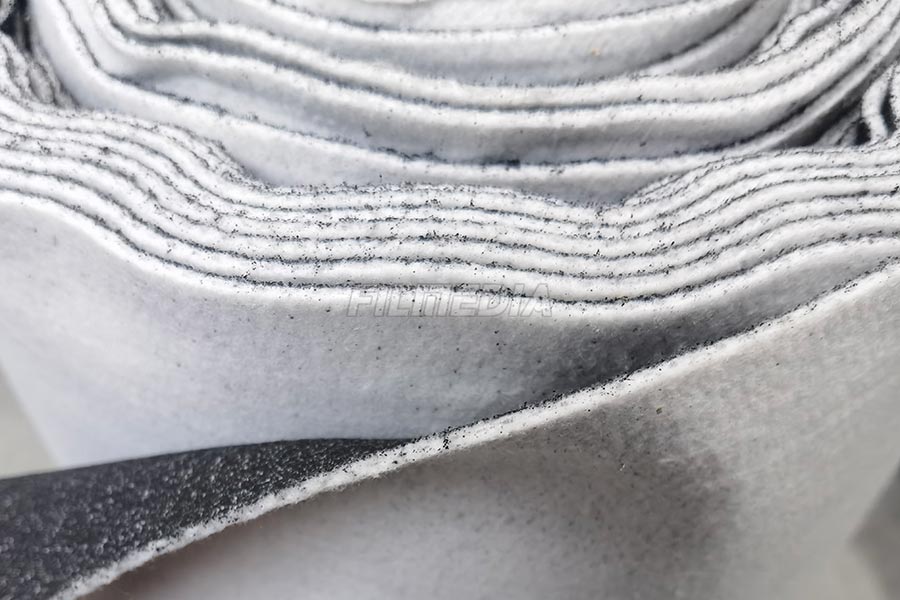
Anti-Spark Needle-Felt Filter Fabric
Spark-resistant needle-punched felt filter fabric (commonly referred to in the industry as anti-static/explosion-proof or flame-retardant/melt-resistant needle-punched felt) is a high-performance industrial filtration material specifically designed to handle flue gases containing flammable or explosive dust, high-temperature sparks, or static-prone particles. In operational environments such as metal smelting, blast furnace gas processing, wood processing, the chemical industry, and pulverized coal preparation, high-speed friction of particulates or the presence of unextinguished sparks within pipelines can easily lead to the burning of dust collector bags or even dust explosions. Spark-resistant needle-punched felt was developed specifically to address this safety hazard.
- Prevents sparks from penetrating the filter media.
- Enhances antistatic properties and safety performance.
- Offers excellent abrasion resistance and mechanical strength.
- Suitable for environments with high-temperature metal dust.
- Extends the service life of filter bags.
Description
Physical Characteristics of Anti-spark Polyester Needle Felt: (Can be customized)
| Fiber | Polyester staple fiber, Carbon powder | |
| Scrim | polyester staple yarn | |
| Weight(gs m) | 500 | |
| Thickness(mm) | 1.8 | |
| Width(m) | ≤2.2 | |
| Finishtreatment | Singeing, Calendering, Heatsetting | |
| Airpermeability(L/m2.s) | 200-350 | |
| Tensile strength(N/5cm) | warp | ≥1100 |
| weft | ≥1500 | |
| Tensile elongation(%) | warp | ≤35 |
| weft | ≤60 | |
| Heat shrinkage(%) | warp | ≤1.5 |
| weft | ≤1.0 | |
| Temperature(℃/℉) | Continue | 140/284 |
| Instant | 260/500 | |
Chemical Characteristics of Anti-spark Polyester Needle Felt
| Anti-acid | Middle |
| Anti-alkali | Middle |
| Anti-anbasion | Excellent |
| Hydrolysis stability | Middle |
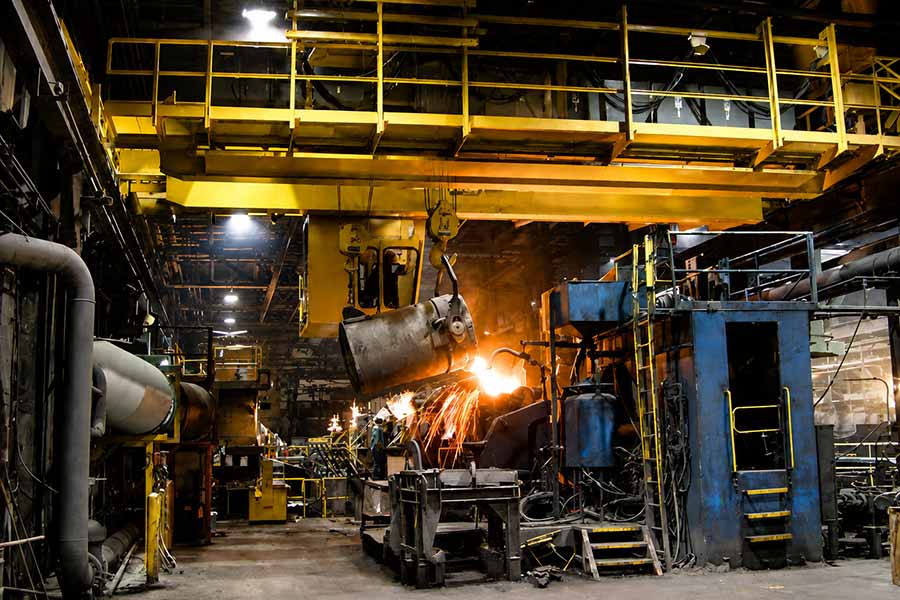
Application Industries
Spark-resistant needle felt is mainly used in high-risk dust environments:
- Coal grinding / pulverized coal conveying systems.
- Aluminum powder, magnesium powder, and magnesium–aluminum alloy dust (highly explosive).
- Combustible dust in the chemical industry.
- High-temperature flue gas at cement kiln outlets.
- Municipal solid waste incineration flue gas.
- Metallurgical industry (steel, carbon black).