
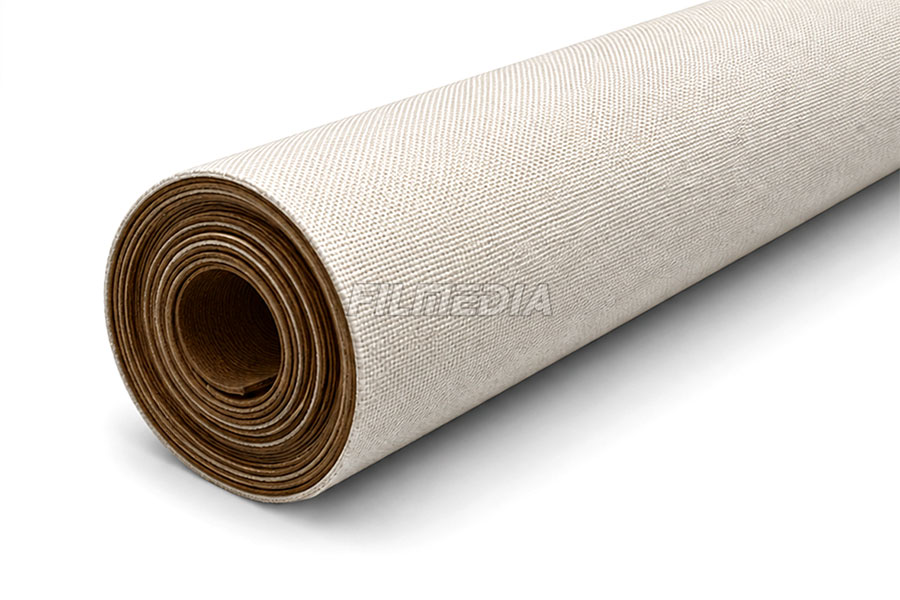
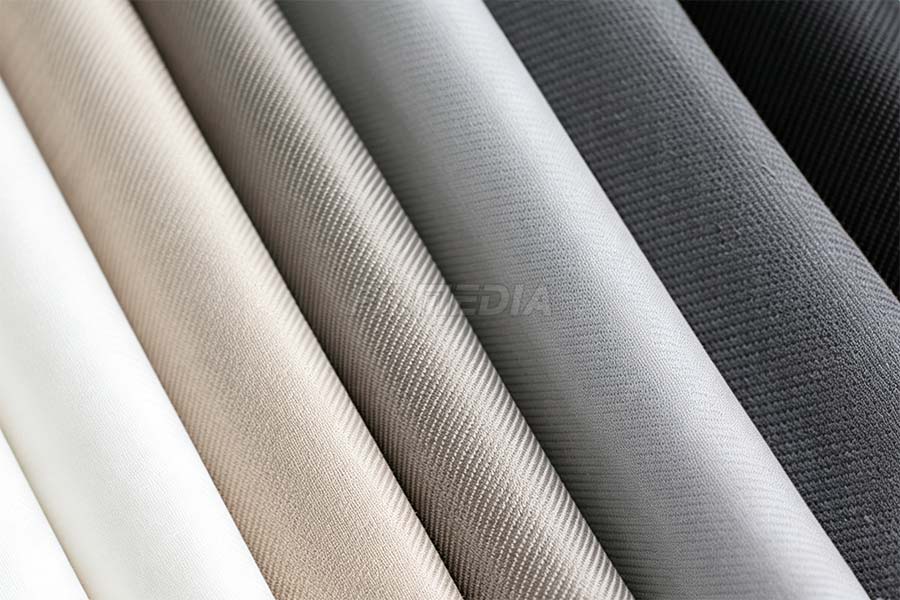
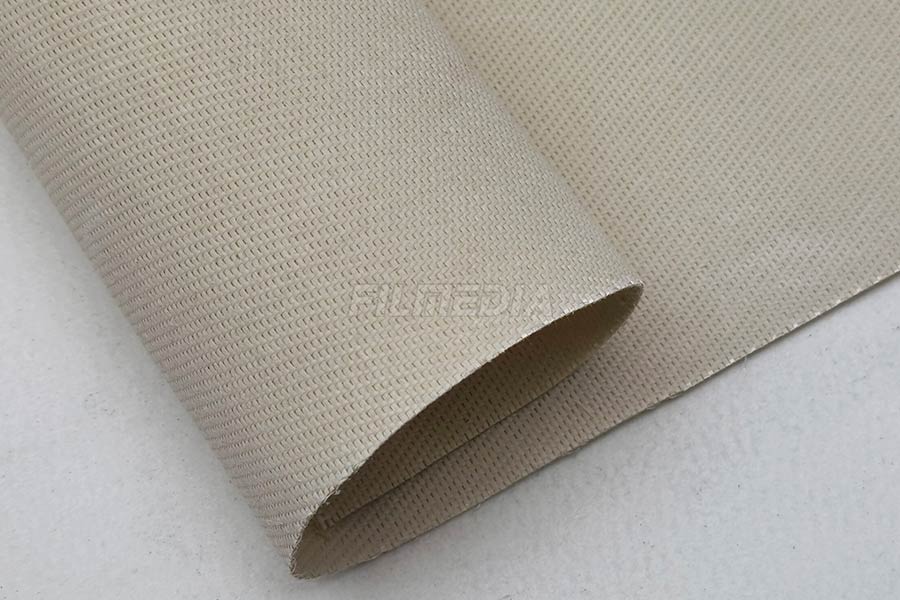
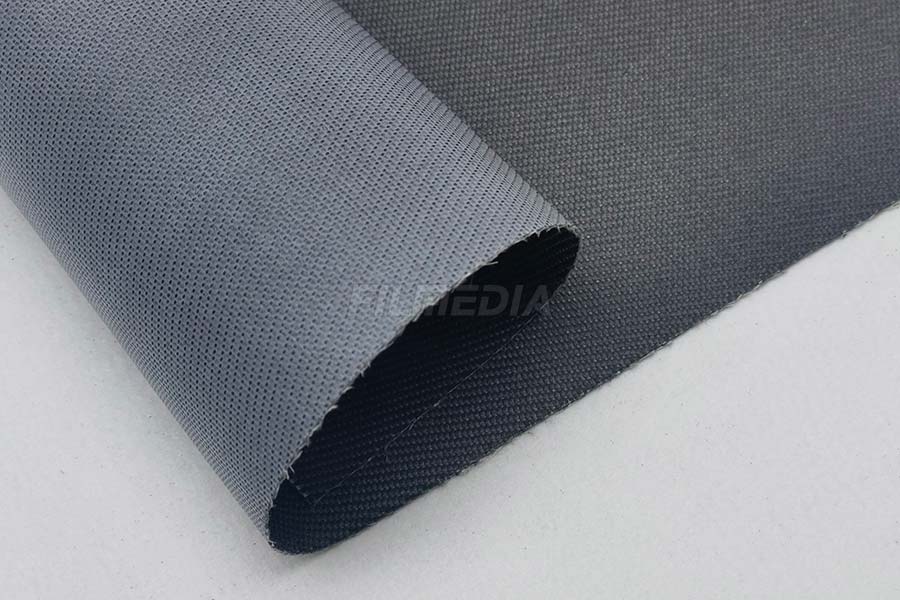
Woven Fiberglass Filter Cloth for High-Temperature Dust Filtration
Woven fiberglass filter cloth is a high-temperature filter material made from medium-alkali or alkali-free glass fiber. The product is woven from expanded glass fiber yarn, and after high-temperature heat cleaning to remove the impregnating agent, it undergoes special chemical impregnation and finishing processes. This material possesses excellent high-temperature resistance, dimensional stability, corrosion resistance, and filtration efficiency, making it an important filter medium in industrial high-temperature flue gas dust removal. When coated with a PTFE microporous membrane, the filtration efficiency can reach up to 99.999%.
Description
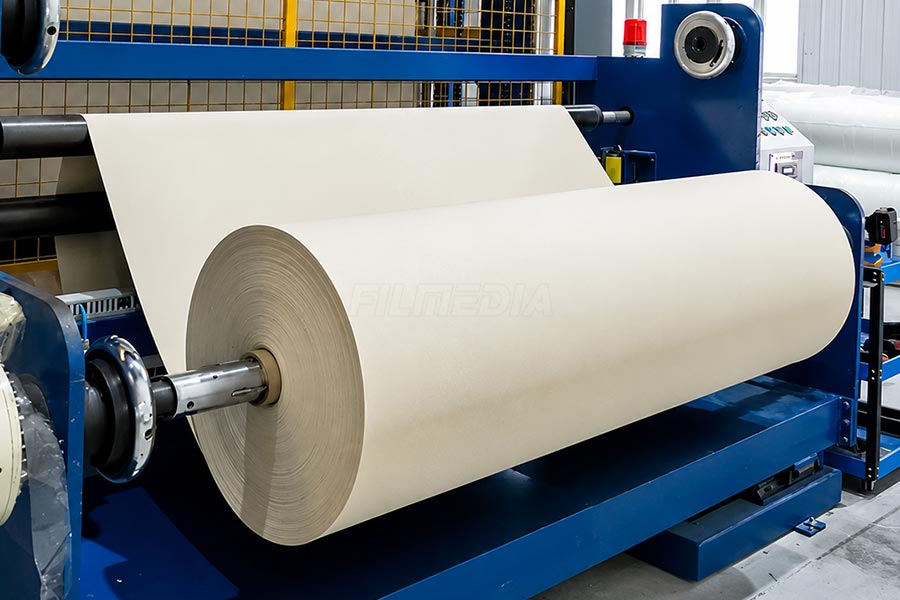
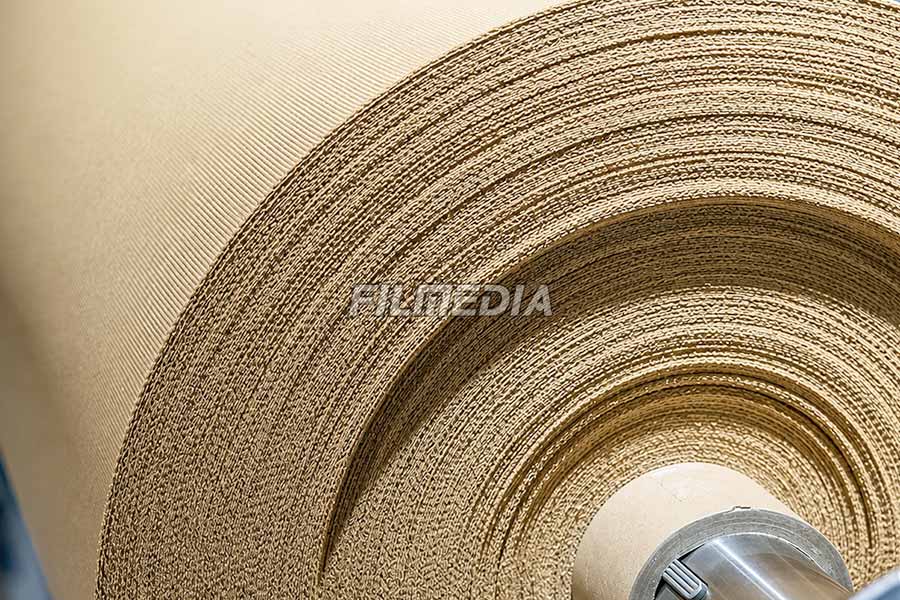
As a premium woven filter cloth manufacturer, Fillmedia® leverages its extensive industry experience and team of technical experts to deeply understand filtration needs under diverse operating conditions. We provide scientifically rigorous, practical, reliable, and customized filtration solutions to meet our customers’ specific application requirements. We offer comprehensive technical support covering material selection, product design, and process optimization, aiming to improve filtration efficiency, extend product lifespan, and reduce overall operating costs.
Specifications of Fiberglass Filter Cloth (Accept Customization)
| Model | Weave Pattern | Weight (g/m²) | Tensile Strength (N/2.5cm) Warp | Tensile Strength (N/2.5cm) Weft | Air Permeability (cm³/cm²·s·127Pa) | Finish Treatment | Operating Temperature (°C) |
|---|---|---|---|---|---|---|---|
| 01 | Double Twill | 780–850 | >2400 | >2000 | 15–30 | PTFE | <260 |
| 02 | Double Twill | 780–850 | >2400 | >2000 | 15–30 | PI | <260 |
| 03 | 1/3 Twill | 450–500 | >2000 | >1200 | 20–36 | PGS | <260 |
| 04 | 1/3 Twill | 340–380 | >2000 | >1200 | 20–36 | AR | <260 |
| 05 | 1/3 Twill | 320–360 | >1400 | >800 | 22–35 | PTFE | <260 |
| 06 | 1/3 Twill | 900–950 | >1200 | >700 | 22–35 | AR | <260 |
| 07 | Satin Weave | 900–950 | >3000 | >2400 | 15–25 | PD | <400 |
| 08 | Double Twill | 800–850 | >2600 | >2200 | 15–30 | PTFE | <260 |
| 09 | Satin Weave | 550–600 | >2200 | >2000 | 20–35 | PG | <260 |
| 10 | 1/3 Twill | 550–600 | >2200 | >2000 | 20–35 | PG | <260 |
Yarn Structure
| Fabric Type | Structural Features | Filtration Performance | Key Applications |
| Monofilament | Woven from single, smooth, and uniform continuous filaments in both warp and weft. | Clear pores, non-blinding (resistant to clogging), fast drainage. Excellent cake release and long service life with easy regeneration. | Processes with coarser particles requiring rapid discharge and frequent backwashing. |
| Multifilament | Woven from yarns made of multiple fine fibers twisted together (available in staple and filament fibers). | Superior retention of fine particles and extremely high tensile strength. However, it is more prone to clogging and harder to discharge than monofilament. | Fine particle capture and high-pressure filtration conditions. |
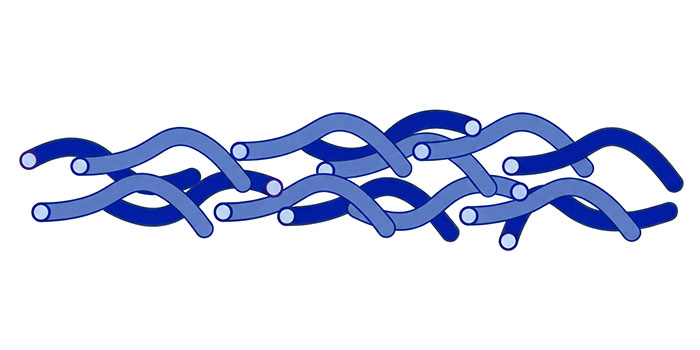
Multifilament Staple Fiber
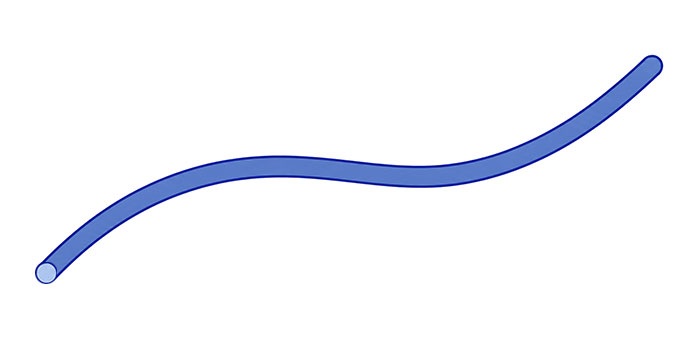
Monofilament Filament Fiber
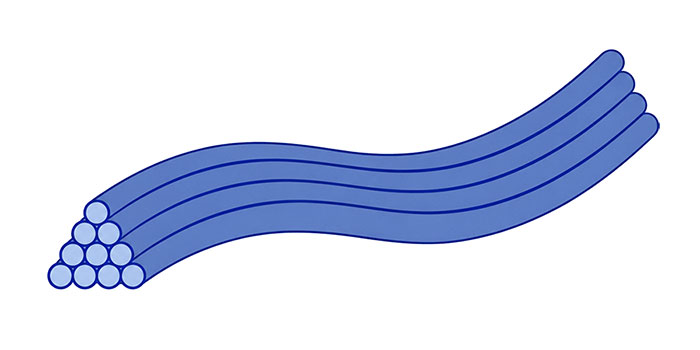
Multifilament Filament Fiber
Common Weave Patterns
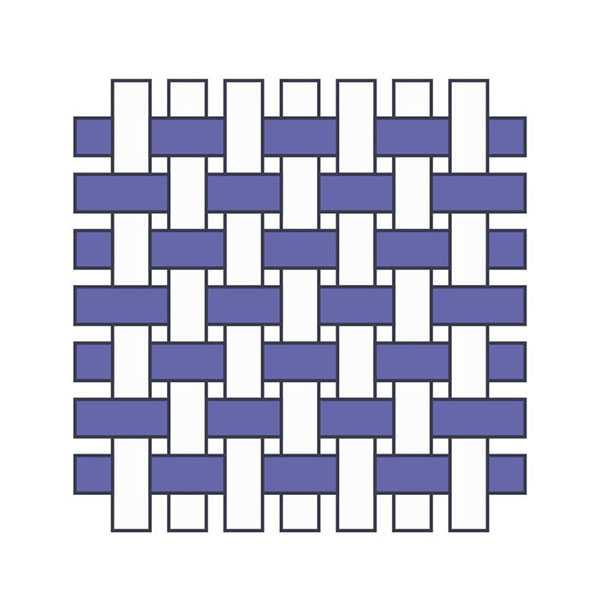
Plain Weave
- Tight structure with high filtration accuracy
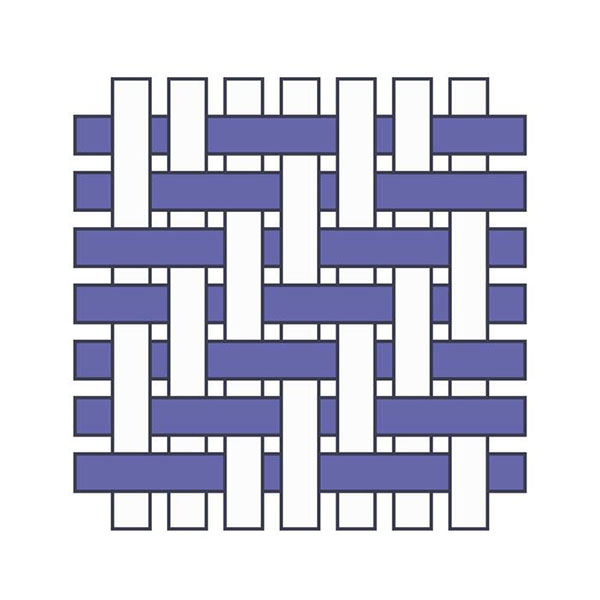
Twill Weave
- Balanced permeability and anti-clogging performance
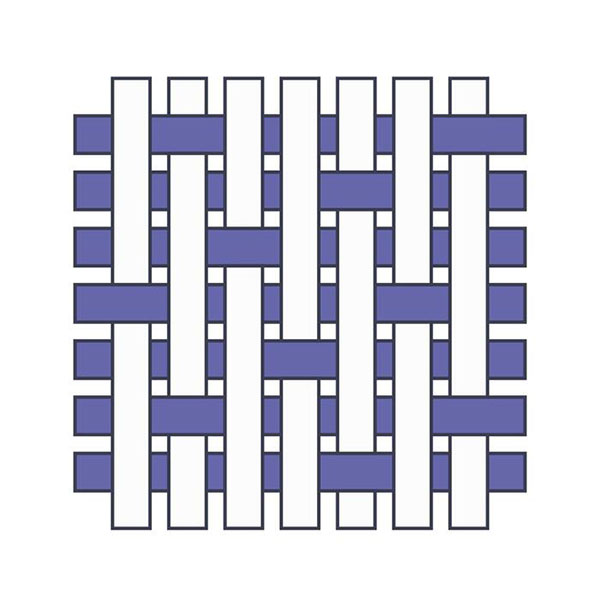
Satin Weave
- Smooth surface for improved cake release
Performance Advantages of Fiberglass Filter Cloth
- Excellent High-Temperature Resistance
Woven fiberglass filter cloth can operate continuously at temperatures up to 260°C (500°F) and withstand short-term temperatures of 280°C (536°F). The material is inherently non-combustible and will not burn when exposed to sparks or hot particles. Even after being heated at 280°C for two hours, its physical properties and appearance remain virtually unchanged, a performance that many organic fiber filter media cannot achieve.
- High Strength and Low Elongation
The tensile strength in both warp and weft directions typically exceeds 2000 N, while elongation remains below 3%. The fabric exhibits minimal thermal shrinkage even under elevated temperatures, ensuring stable dimensions and consistent filtration performance. This stability helps prevent filter bag deformation and reduces damage caused by repeated pulse-jet cleaning cycles, thereby extending service life.
- High Filtration Efficiency
PTFE membrane-laminated woven fiberglass filter cloth utilizes advanced surface filtration technology. The membrane pore size typically ranges from 0.1 to 2.0 μm, effectively capturing fine particles including PM10 and PM2.5. Emission levels can be consistently maintained below 20 mg/m³, 10 mg/m³, or even 5 mg/m³, meeting stringent environmental regulations.
- Thin, Flexible, and Easy to Clean
The thickness of woven fiberglass filter cloth is generally less than 0.8 mm, approximately one-third that of conventional needle-punched felt filter media. The textured yarn construction provides excellent flexibility. During cleaning cycles, the filter bag generates effective vibration, allowing dust cakes to detach easily. This reduces cleaning pressure requirements, lowers compressed air consumption, decreases maintenance frequency, and minimizes operating costs.
- Outstanding Oxidation and Corrosion Resistance
Fiberglass is naturally resistant to oxidation and performs well in high-oxygen flue gas environments. After PTFE impregnation, a dense protective layer forms on the fabric surface, enhancing resistance to acidic gases, moisture, and chemical corrosion, thereby extending filter media lifespan in harsh operating conditions.
- Superior Flex Resistance
Through specialized chemical post-treatment processes, woven fiberglass filter cloth achieves significantly improved flex resistance. It can withstand long-term cycles of expansion, contraction, and mechanical vibration without fiber breakage or structural damage, ensuring reliable long-term operation.
- Water and Oil Repellency for High-Humidity Applications
After water- and oil-repellent treatment, woven fiberglass filter cloth exhibits excellent hydrolysis resistance and moisture protection. With a water repellency rating of Grade 4.5 or higher, it effectively reduces moisture absorption and prevents hardening caused by condensation, making it particularly suitable for high-humidity and high-dew-point flue gas environments.
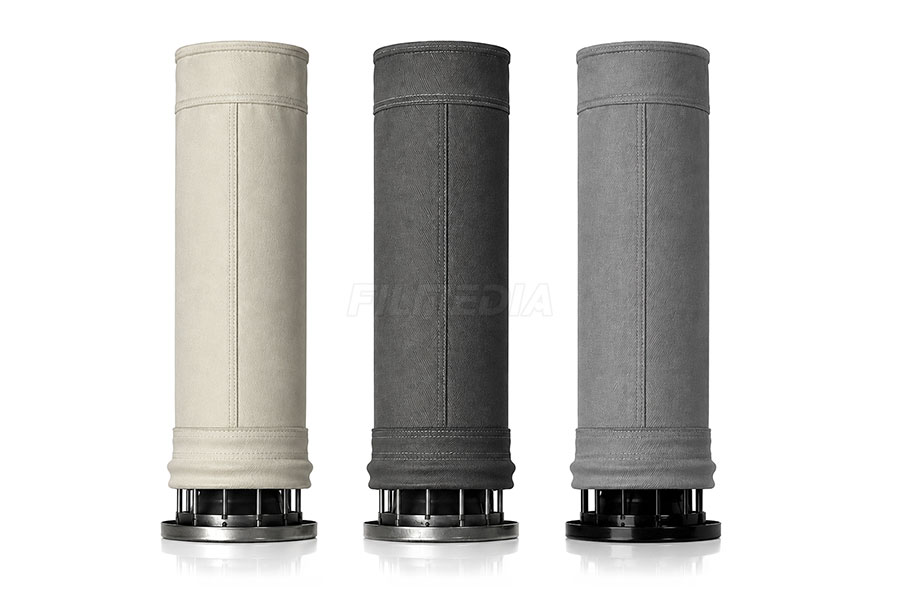
Applications of of Fiberglass Filter Cloth
Dust collection filter bags made of woven fiberglass cloth are widely used in high-temperature industrial dust removal and air pollution control systems, including:
- Cement kiln and kiln tail dust collectors
- Carbon black production plants
- Iron and steel industries
- Ferroalloy manufacturing
- Coal-fired power plants
- Waste incineration facilities
- Non-ferrous metal smelting
- Industrial furnace and kiln exhaust filtration