
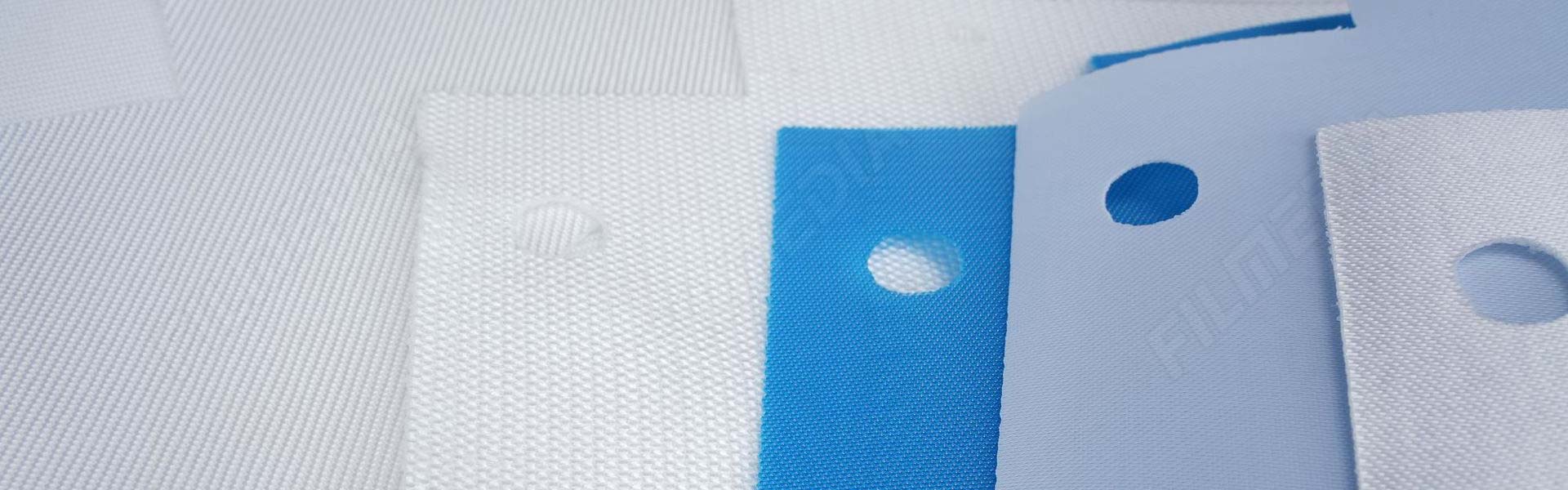
Filter Press Cloth
Filter cloth is one of the most critical components in any filter press system. Its filtration performance directly affects filtration efficiency, filtrate clarity, cake moisture content, cycle time, and overall operating costs. Selecting the correct filter cloth not only improves production efficiency but also extends equipment life and reduces maintenance frequency. During every filtration cycle, the cloth is repeatedly subjected to high mechanical pressure, stretching, compression, and abrasive wear from filter cakes. Therefore, an ideal filter press cloth must combine excellent mechanical strength, dimensional stability, chemical resistance, and long service life while maintaining consistent filtration performance.
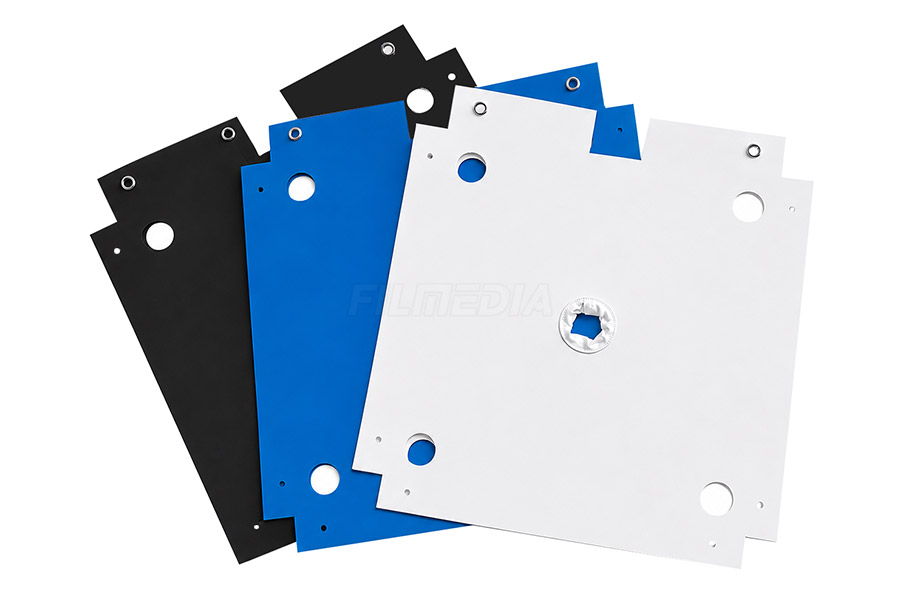
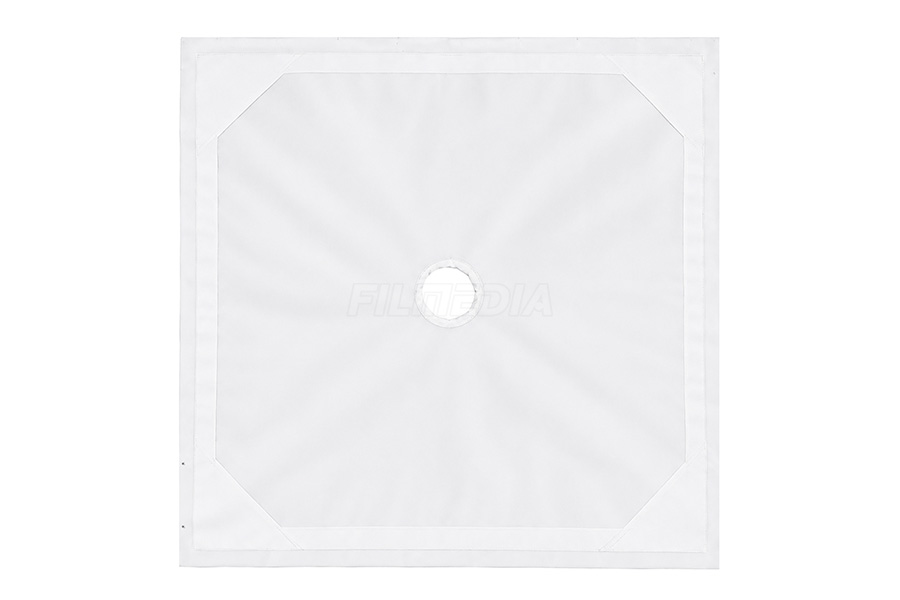
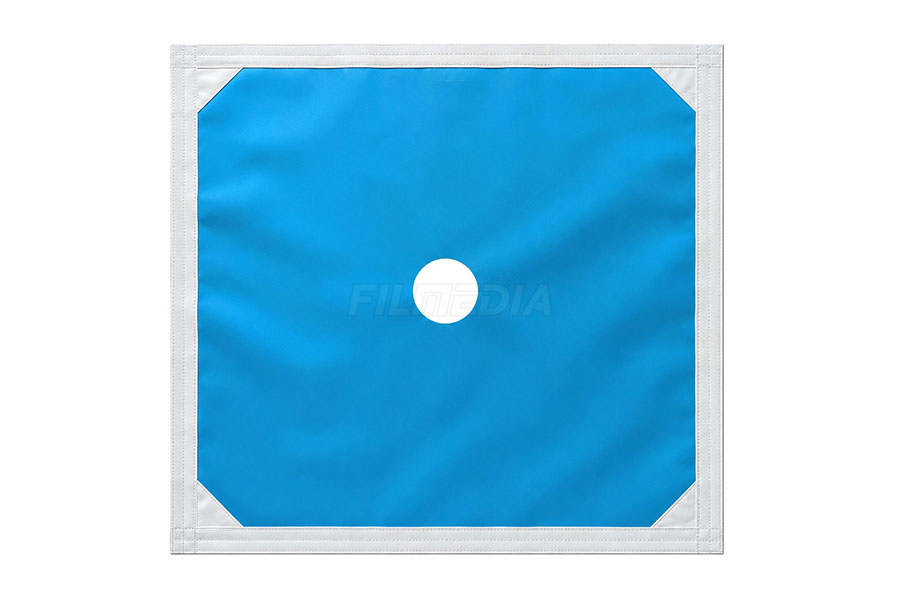
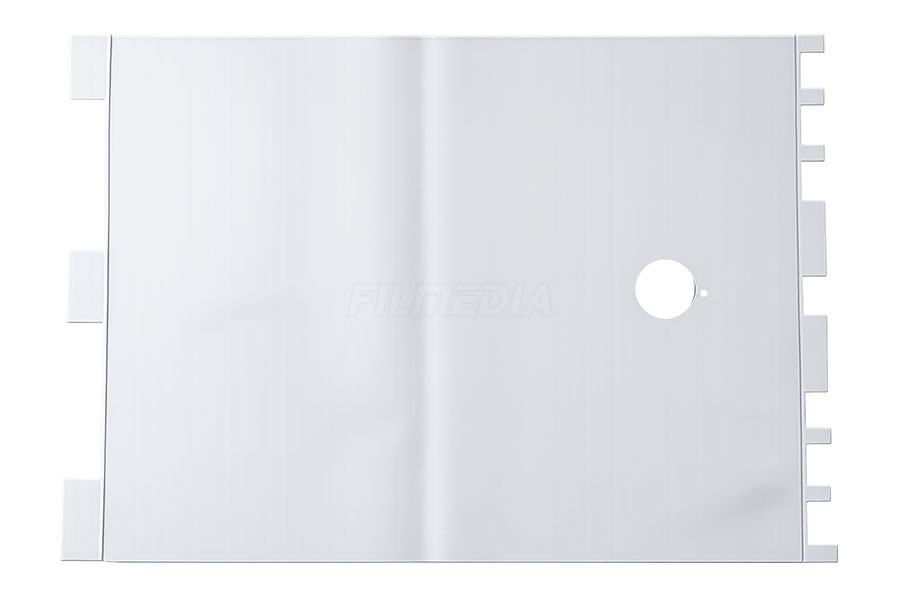
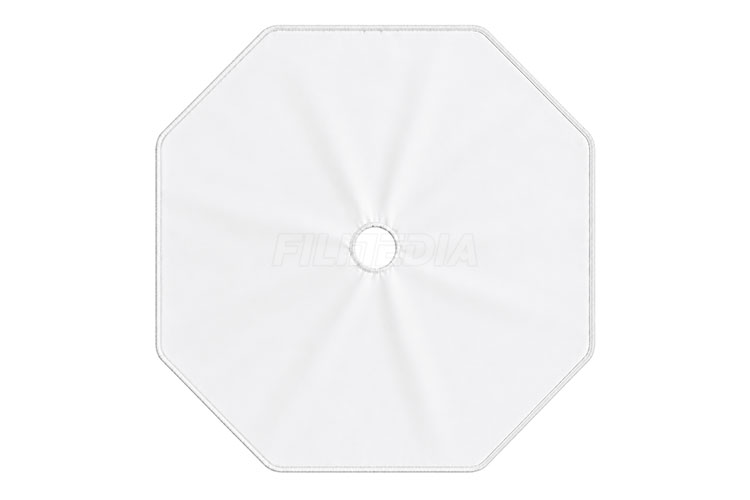
Filmedia® provides high-quality filter cloth solutions for various types of filter presses. These solutions can be customized based on specific machine models, filtration conditions, and installation methods, helping customers achieve higher filtration efficiency.
Specifications
- Available Sizes: 150 mm, 250 mm, 400 mm, 470 mm, 500 mm, 630 mm, 650 mm, 800 mm, 870 mm, 1000 mm, 1080 mm, 1200 mm, 1250 mm, 1300 mm, 1500 mm, 1600 mm, 1800 mm, 2000 mm, 2100 mm, 2000 × 1500 mm, 2000 × 1800 mm, and customized sizes.
- Material Options: Polyester (PET), Polypropylene (PP), Nylon (PA), Polyvinyl Alcohol (PVA), Aramid
- Compatible Filter Presses: Plate and Frame Filter Press, Chamber Filter Press, Membrane Filter Press
Application Industries
Filter press cloths are widely used for solid-liquid separation in numerous industries, including:
- Chemical Processing
- Petrochemical Industry
- Mining & Mineral Processing
- Metallurgy
- Coal Washing
- Carbon Black Production
- Pigments & Dyes
- Pharmaceutical Manufacturing
- Food & Beverage Processing
- Wastewater Treatment
- Municipal Sludge Dewatering
- Ceramic Industry
- Environmental Protection
Material Selection for Filter Press Cloth
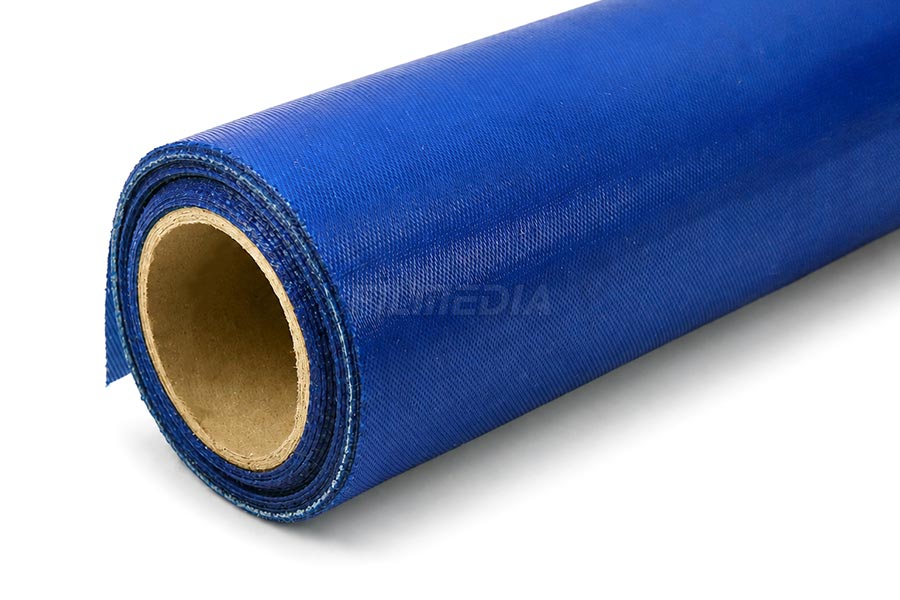
- It possesses extremely high mechanical strength and excellent dimensional stability. It exhibits strong resistance to inorganic acids (such as hydrochloric acid and sulfuric acid), but is highly susceptible to molecular chain hydrolysis and scission in high-temperature, strongly alkaline environments.
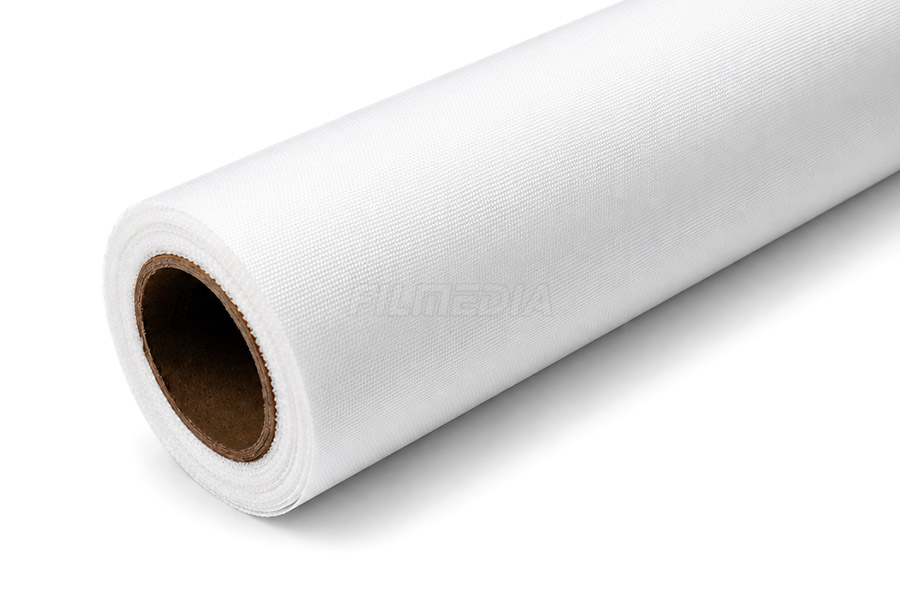
- It exhibits negligible water absorption and near-perfect chemical inertness, offering top-tier resistance to both acids and alkalis. Its critical weakness lies in its performance regarding temperature fluctuations; at temperatures exceeding 80°C, it is highly prone to softening and creep, leading to the deformation of filter cloth pores and failure due to stretching.
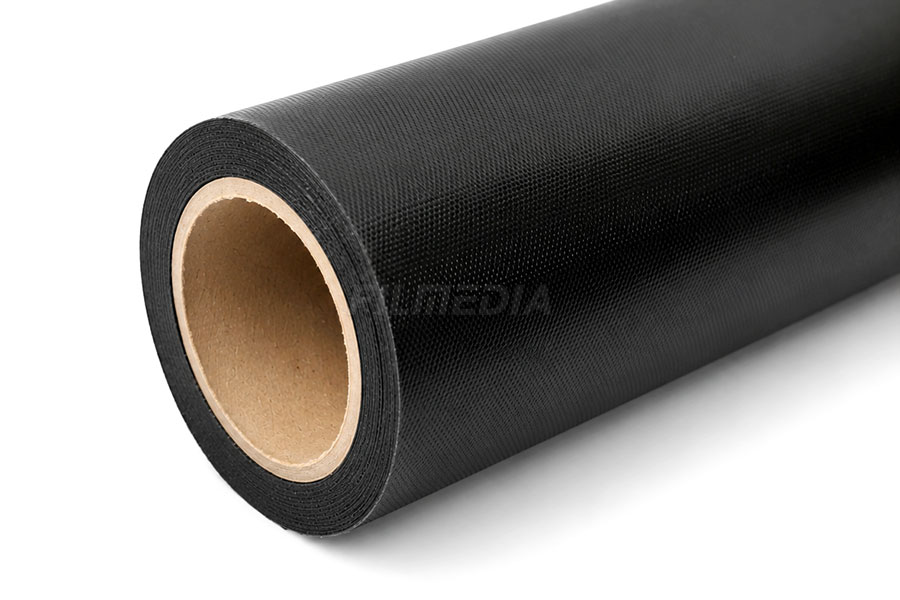
- It possesses strong wear resistance and impact resistance, and excellent alkali resistance. However, it is extremely susceptible to acid damage; and it has a high water absorption and swelling rate (its dimensions will change slightly when wet).
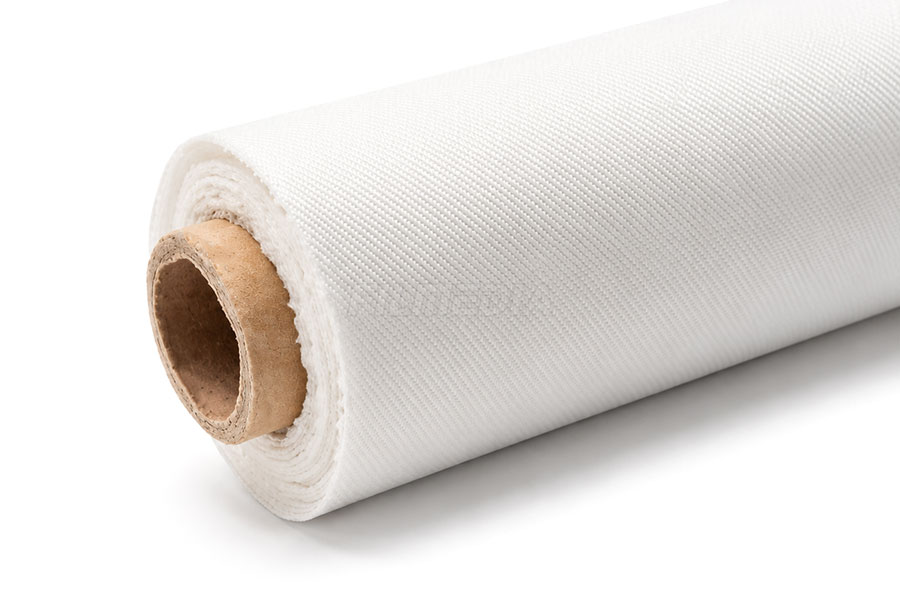
- The fibers are soft in texture with a fine surface and possess good alkali resistance. Their unique properties of slight solubility or swelling allow for the formation of extremely dense filtration layers in specific processes, though their scope of application is relatively narrow.
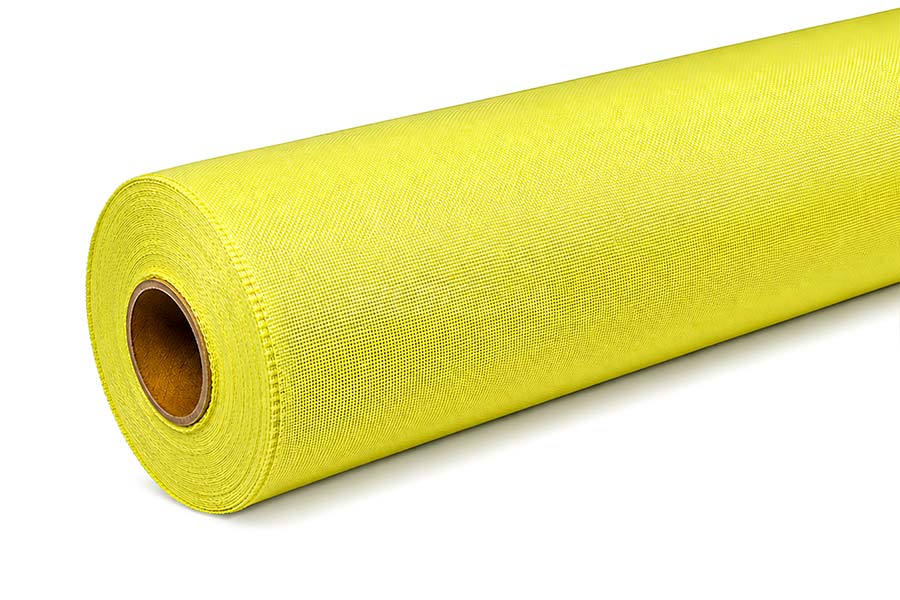
- A high-performance specialty fiber designed for extremely harsh environments. It can withstand long-term exposure to high temperatures exceeding 300°C while maintaining exceptional corrosion resistance and extremely high mechanical strength.
Comparison of Filter Media Performance
| Material | Acid Resistance | Alkali Resistance | Continuous Operating Temperature | Abrasion Resistance | Relative Cost |
|---|---|---|---|---|---|
| Polyester (PET) | Excellent | Fair | ≤130°C | Good | Low |
| Polypropylene (PP) | Excellent | Excellent | ≤90°C | Moderate | Low |
| Nylon (PA) | Fair | Excellent | ≤120°C | Excellent | Medium |
| Polyvinyl Alcohol (PVA/Vinylon ) | Fair | Good | ≤100°C | Moderate | Medium-High |
| Aramid | Excellent | Excellent | ≤200°C (300°C+ short term) | Excellent | Very High |
Weave Patterns
The weave pattern of a filter cloth directly dictates its air permeability, filtration accuracy (micron rating), and cake discharge performance:
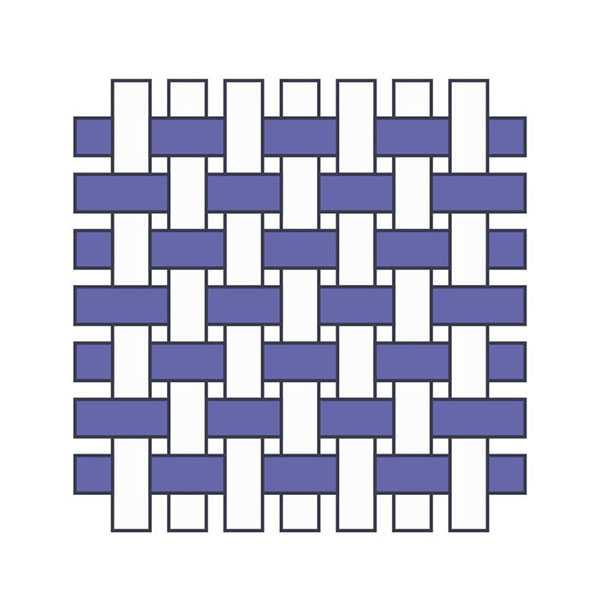
Plain Weave
Features the tightest pore structure. It delivers the highest filtration accuracy but suffers from lower permeability, higher flow resistance, and slower output. Ideal for applications requiring maximum filtrate clarity.
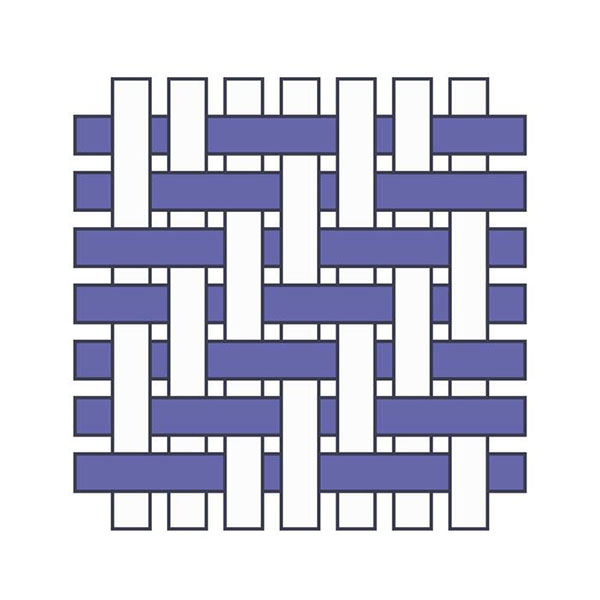
Twill Weave
The most widely used industrial weave. It strikes an excellent compromise by maintaining reliable filtration accuracy while offering significantly better permeability and smoother cake release than plain weaves.
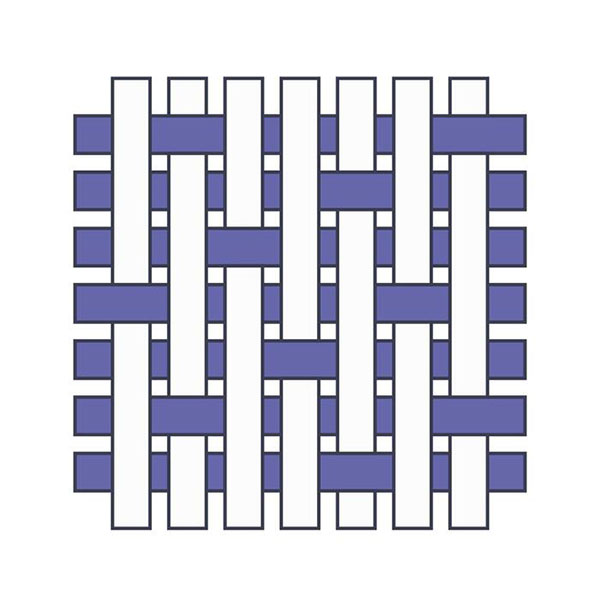
Satin Weave
Features an open pore structure that yields the highest permeability and flow rates. While its initial filtration accuracy is lower, it resists blinding (clogging), regenerates easily, and offers exceptionally smooth, effortless cake discharge—perfect for high-throughput, coarse-particle processes.
Types of Filter Presses
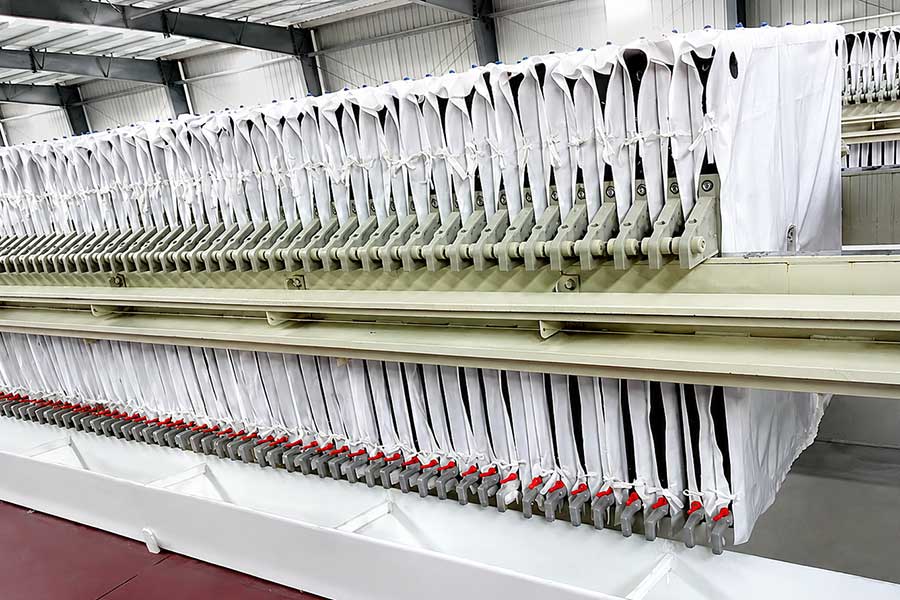
Plate and Frame Filter Press
Traditional design with separate filter plates and frames. Provides high filtration accuracy and allows filter cake washing. Fine chemical, pharmaceutical, laboratory, and high-purity filtration.
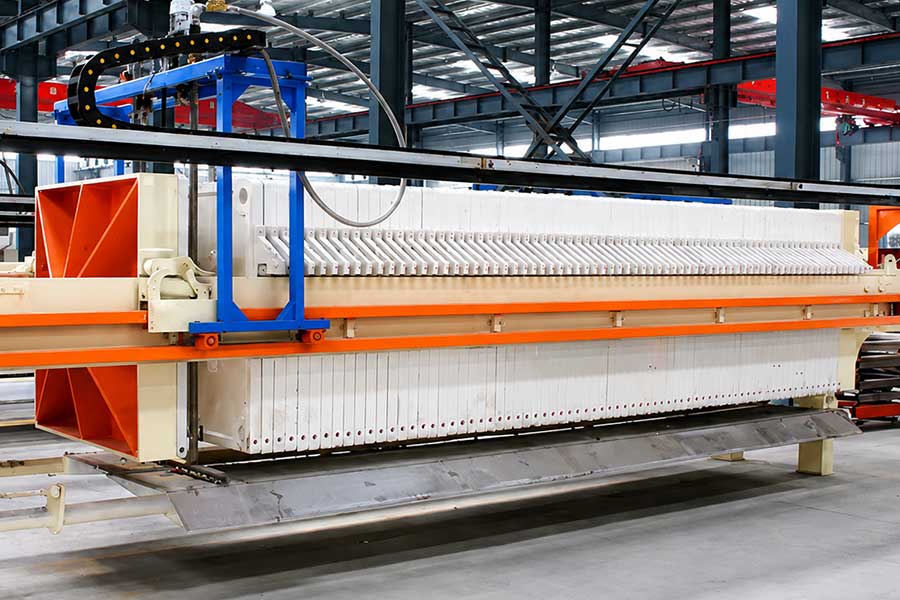
Chamber Filter Press
Uses recessed filter plates to form chambers without filter frames. Simple structure, high filtration pressure, and easy operation. Mining, chemical processing, wastewater treatment, and general solid-liquid separation.
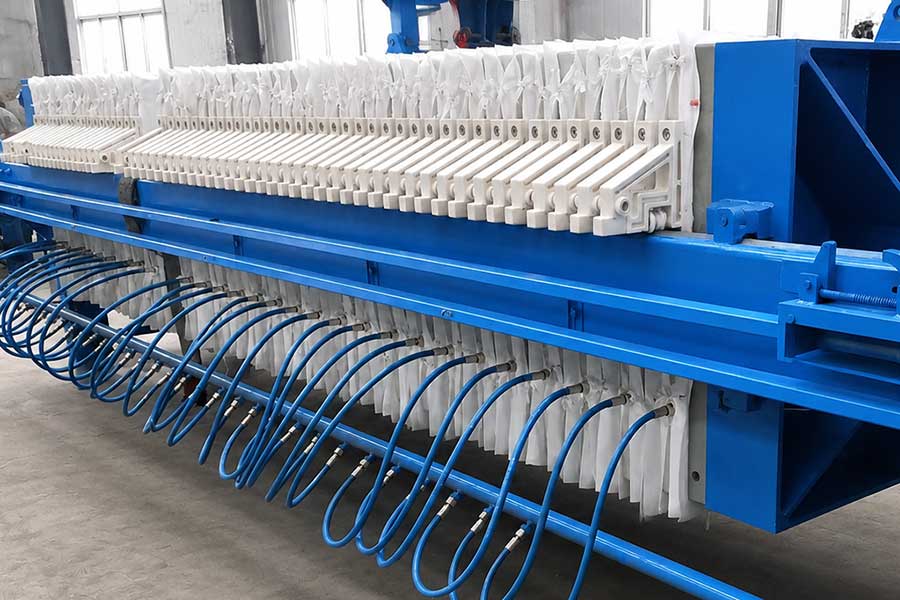
Membrane Filter Press
Equipped with membrane filter plates that squeeze the filter cake using compressed air or water after filtration, significantly reducing moisture content. Applications requiring low cake moisture, such as mining, chemicals, food processing, and environmental protection.
Shapes of Filter Cloth

Two-piece Connection

Monolithic

Embedded
How to Customize Filter Press Cloth?
In order to give you a responsible quotation, Please inform us the following information, our engineers will suggest you the most suitable filter press cloth according to your information.
- The material you are going to deal with
- The size of solid
- The granularity of the final products are you going to achieve
- The capacity per batch(L) you are going to achieve
- The solid percentage (%)
- The filter temperature
- The PH value
- The power
How to Extend Filter Cloth Service Life?
The typical service life of an industrial filter cloth ranges from 3 to 6 months. By implementing a scientific maintenance strategy, enterprises can extend the fabric’s operational lifespan by 20% to 50%, significantly lowering O&M overhead:
- Long-Term Storage Protocols
When the filter press faces prolonged downtime, the cloths must be removed and thoroughly washed to eliminate residual chemicals and embedded sludge. Store them in a cool, dry area only after they are completely air-dried. Keep them flat during storage and avoid sharp creases to prevent stress fatigue in the fibers.
- On-Line Rinsing (High-Frequency Operations)
During intensive, continuous production cycles, execute scheduled automatic or manual rinsing (such as high-pressure water jetting) based on cake formation quality. This prevents material “blinding” and preserves high throughput.
- Preventative Replacement Mechanism
If minor tears, pulled threads, or frayed edges are detected during routine inspections, perform localized repairs or replace the cloth promptly. Running damaged cloths allows slurry bypass, compromises filtration quality, and accelerates premature abrasive wear on the filter plate bevels.