Home » Solid-Liquid Separation
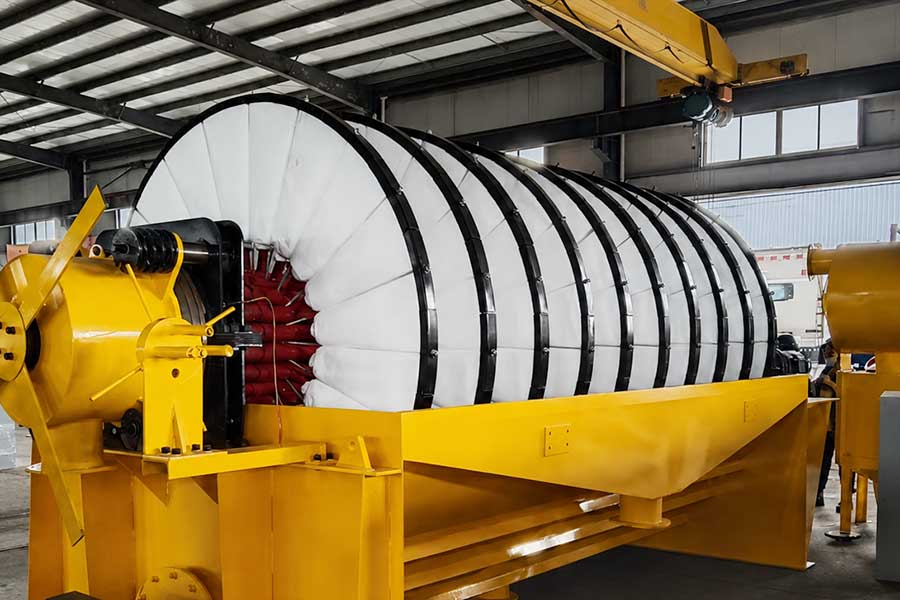
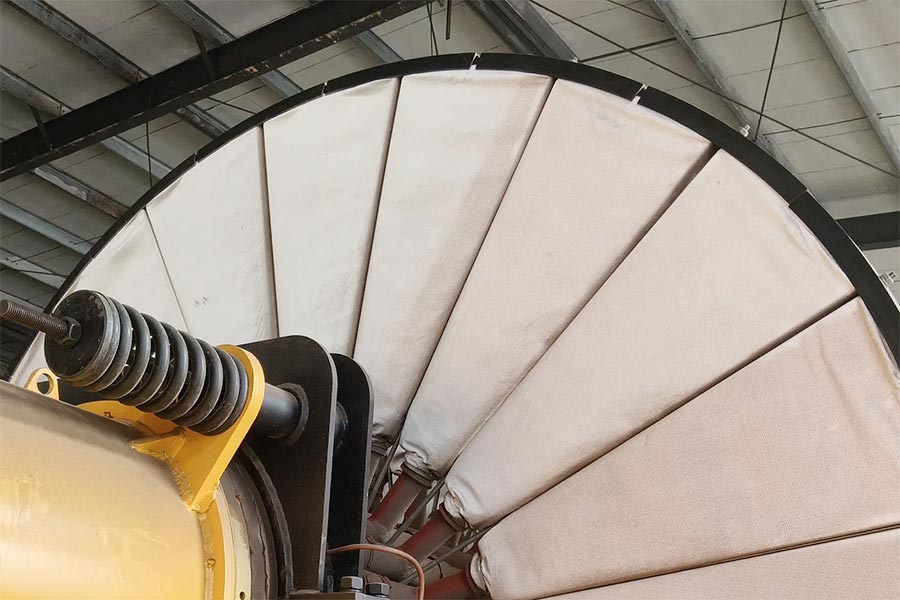
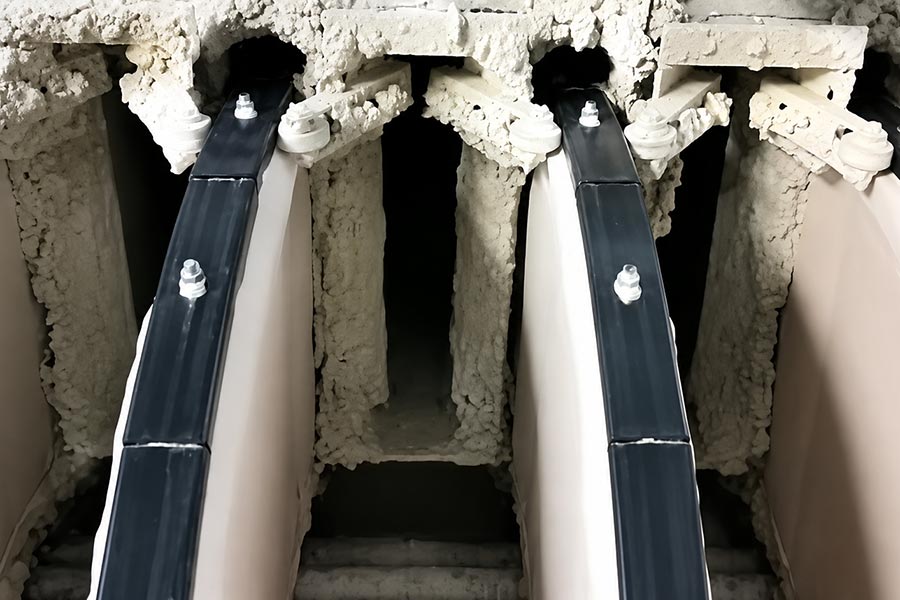
Vacuum disc filter cloth is specially designed for rotary vacuum disc filters used in continuous solid-liquid separation. It is widely applied in mining, mineral processing, metallurgy, chemical processing, wastewater treatment, and other dewatering applications. Mounted on rotating filter disc sectors, the filter cloth enables efficient cake formation, rapid dewatering, and reliable cake discharge, ensuring stable filtration performance under demanding operating conditions.
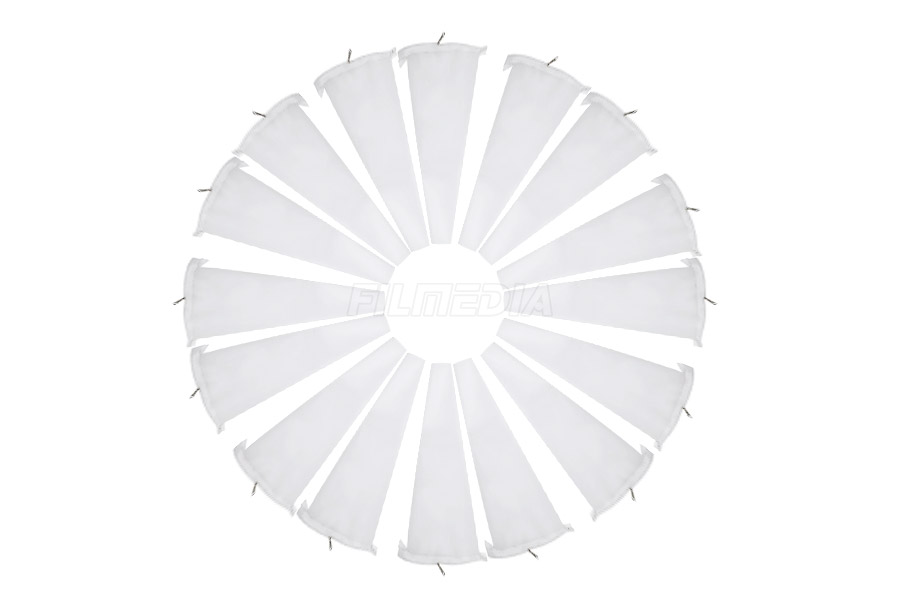
Why Choose Filmedia® Vacuum Disc Filter Cloth?
Optimized weave structures provide excellent permeability while maintaining high particle retention for efficient solid-liquid separation.
Manufactured from premium fibers with excellent tensile strength and abrasion resistance, reducing replacement frequency and operating costs.
Resistant to acids, alkalis, hydrolysis, and most industrial chemicals, ensuring reliable performance in harsh environments.
The optimized fabric surface promotes fast cake discharge and minimizes cloth blinding, improving filtration efficiency.
Available in various materials, weave patterns, dimensions, edge treatments, and installation designs to match virtually all vacuum disc filter systems.
Strict quality control ensures consistent permeability, dimensional stability, and long-term filtration performance for demanding industrial applications.
Filter Cloth Media
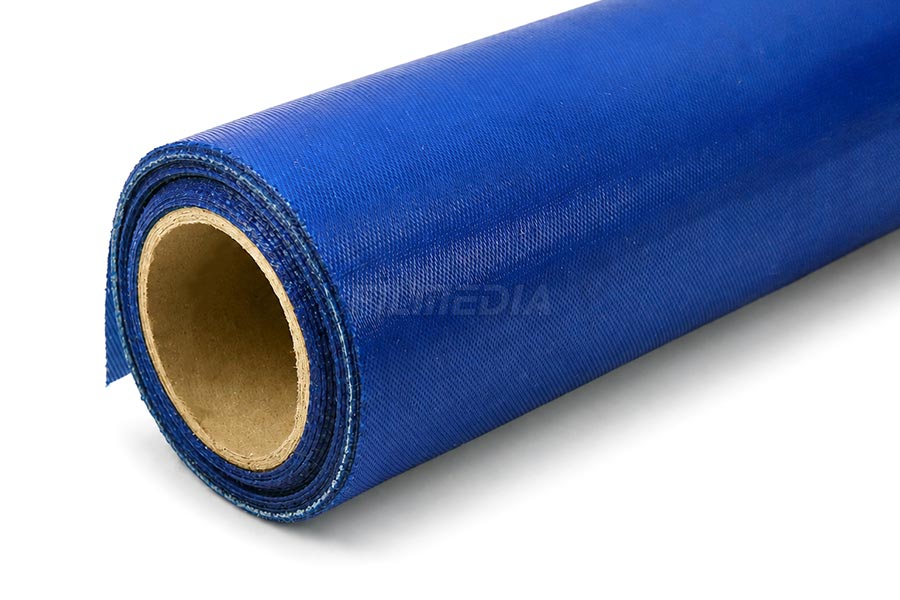
- It possesses extremely high mechanical strength and excellent dimensional stability. It exhibits strong resistance to inorganic acids (such as hydrochloric acid and sulfuric acid), but is highly susceptible to molecular chain hydrolysis and scission in high-temperature, strongly alkaline environments.
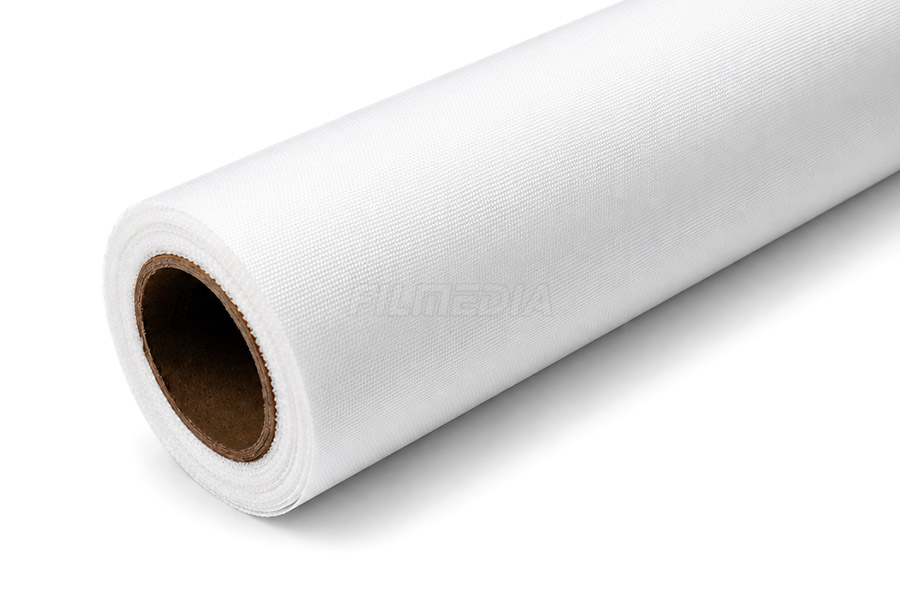
- It exhibits negligible water absorption and near-perfect chemical inertness, offering top-tier resistance to both acids and alkalis. Its critical weakness lies in its performance regarding temperature fluctuations; at temperatures exceeding 80°C, it is highly prone to softening and creep, leading to the deformation of filter cloth pores and failure due to stretching.
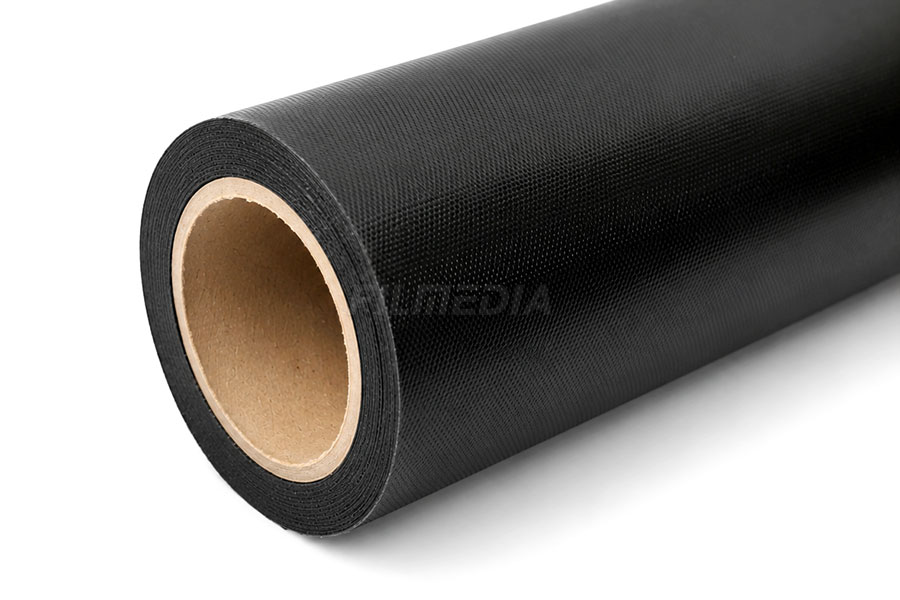
- It possesses strong wear resistance and impact resistance, and excellent alkali resistance. However, it is extremely susceptible to acid damage; and it has a high water absorption and swelling rate (its dimensions will change slightly when wet).
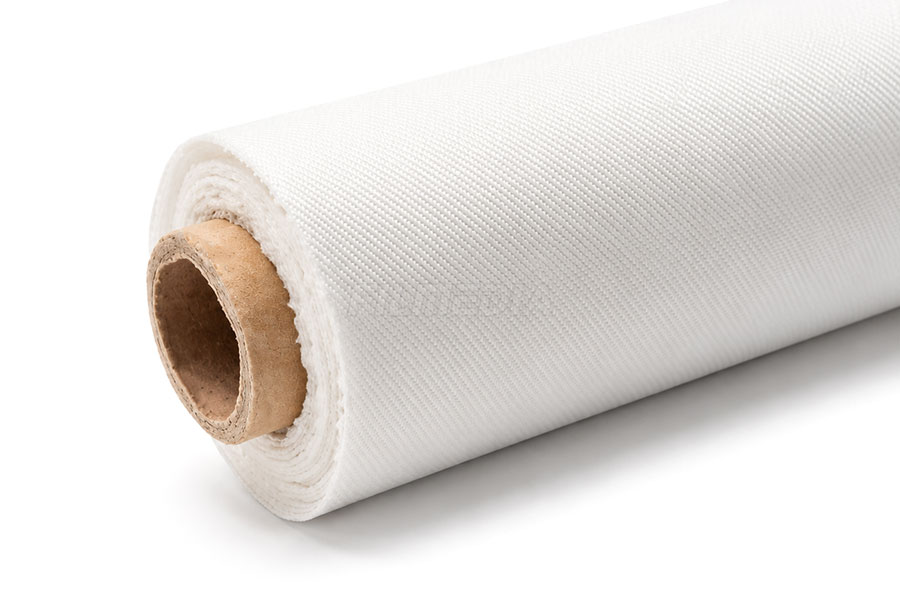
- The fibers are soft in texture with a fine surface and possess good alkali resistance. Their unique properties of slight solubility or swelling allow for the formation of extremely dense filtration layers in specific processes, though their scope of application is relatively narrow.
Comparison of Filter Media Performance
| performance | PE | nylon | PP | Vinylon |
| Acid resistance | strong | poor | good | not acid resistant |
| Alkali resistant | weak alkali resistant | good | strong | strong alkali resistant |
| Elongation at break | 30%-40% | 18%-45% | greater than polyester | 12%-15% |
| Responsiveness | very good | recovery rate above 90% at 10% elongation | slightly better than PE | very poor |
| Wear resistance | very good | very good | good | preferably |
| Heat resistance | 170ºC | slight shrinkage at 130ºC | slight shrinkage at 90ºC | shrinkage at 100ºC |
| Melting point | 255-265ºC | 210-215ºC | 165-170ºC | 220ºC |
Applications
Our vacuum disc filter cloth is widely used for the dewatering and filtration of:
- Iron ore concentrate
- Copper concentrate
- Nickel concentrate
- Zinc and lead concentrate
- Coal slurry
- Phosphate and potash
- Tailings dewatering
- Industrial mineral processing
- Chemical slurry filtration
- Wastewater sludge dewatering
Vacuum Disc Filter Working Principle
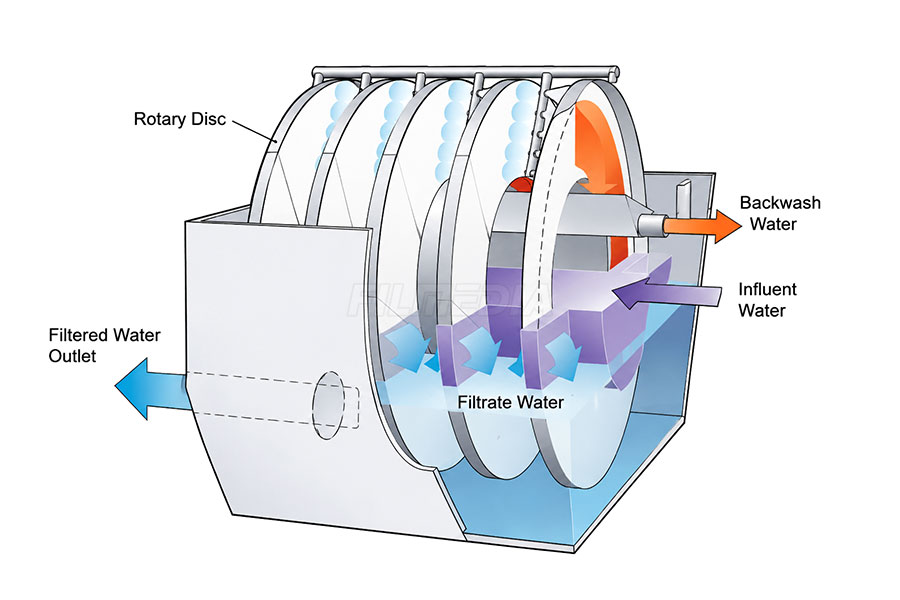
A vacuum disc filter achieves continuous solid-liquid separation by rotating multiple filter discs through a slurry tank. A vacuum pump creates a pressure differential across the filter cloth, allowing solid particles to accumulate on the cloth surface and form a filter cake, while the filtrate passes through the filter media. The entire process operates continuously through three stages: cake formation, dewatering, and cake discharge.
The filter discs are driven by a variable-speed motor and rotate slowly through the slurry tank. As each filter sector is submerged in the slurry, the vacuum generated inside the disc creates a pressure differential across the filter cloth. This pressure difference draws the liquid through the filter media while retaining solid particles on the cloth surface, gradually forming a uniform filter cake. The filtrate flows through the filter cloth, internal drainage channels, and valve head before being discharged.
As the filter sectors rotate out of the slurry, the formed filter cake enters the dewatering zone. The vacuum continues to extract moisture from the cake, significantly reducing its moisture content. During this stage, the filtrate is continuously collected and discharged through the internal piping system, producing a drier and more stable filter cake.
When the filter sectors reach the discharge zone, compressed air is introduced through a back-blow system to release the filter cake from the filter cloth. A scraper or discharge device then assists in removing the cake completely, allowing it to fall into a discharge chute or onto a conveyor belt for further handling. Once the cake has been discharged, the filter sectors re-enter the slurry tank and begin the next filtration cycle automatically.