
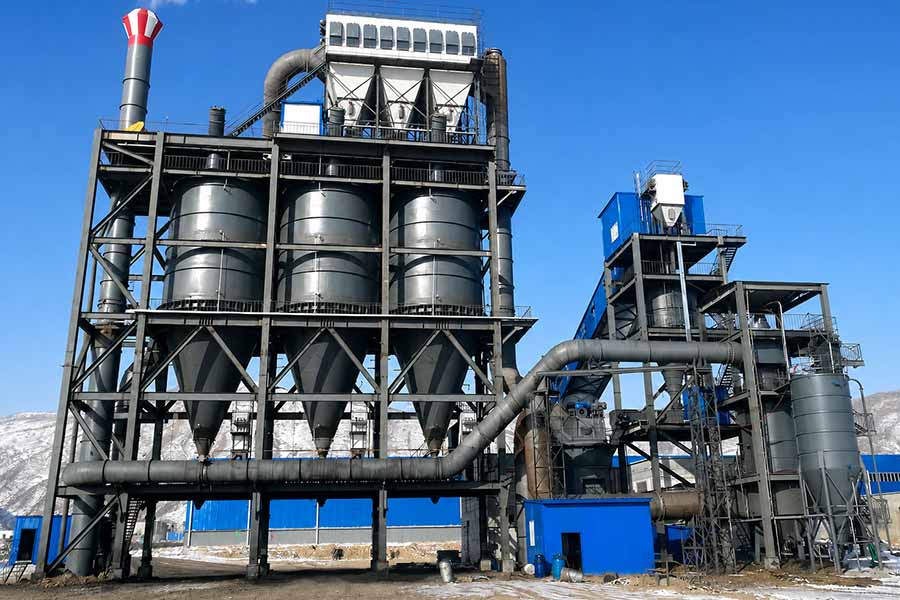
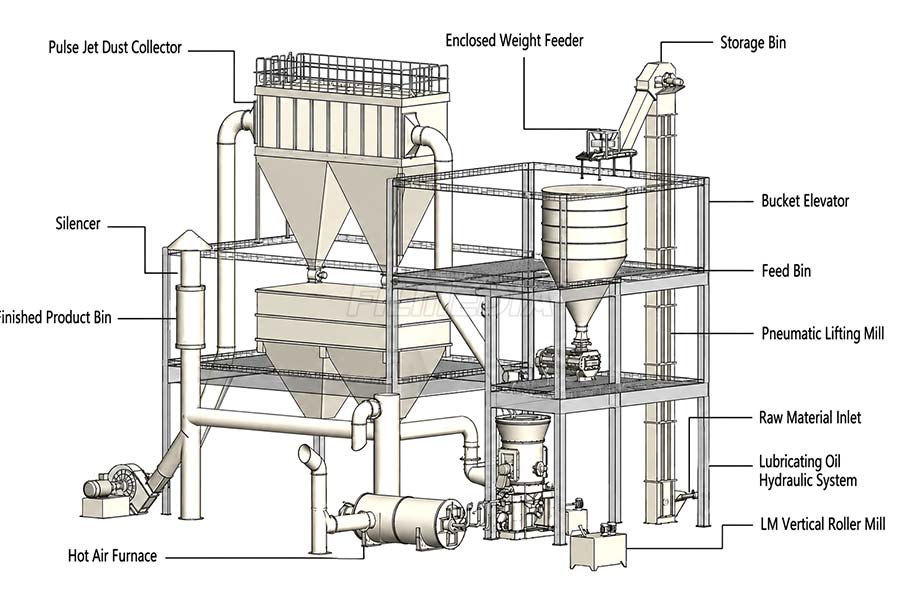
Coal milling systems are among the most prone to dust explosions in cement plants, power plants, and pulverized coal preparation systems. The fine, highly concentrated pulverized coal particles easily accumulate static electricity during conveying, grinding, and grading, which can ignite or explode upon contact with a spark. Therefore, coal mill dust collector filter bags must possess not only excellent filtration performance but also antistatic properties.
Which Filter Media are Suitable for Coal Mills?
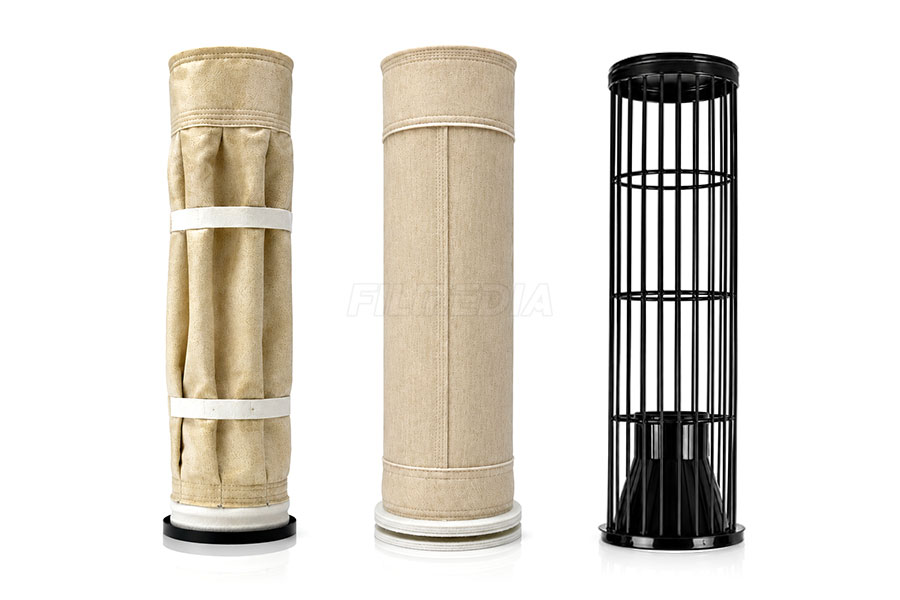
Aramid Needle-Punched Felt Filter Bags
Nomex® (chemical name: aromatic polyamide, Aramid) is a classic filter media choice for medium- to high-temperature applications and is widely used in dry coal mill systems where there is no significant acid or alkali corrosion.
Temperature Resistance
- Continuous operating temperature: up to 204°C
- Peak operating temperature: up to 240°C
Key Advantages
- Excellent mechanical strength: outstanding abrasion resistance and flex resistance among high-temperature filter media, with high tensile strength and long service life.
- Good flame-retardant properties: inherently self-extinguishing, does not support combustion or melt, making it particularly suitable for the combustible environment of coal mills.
PTFE Needle Felt Filter Bags
PTFE is widely regarded as the highest-performing filter material available and is capable of resisting virtually all chemical attacks.
Temperature Resistance
- Continuous operating temperature: 240°C–260°C
- Peak operating temperature: up to 280°C
Key Advantages
- Exceptional chemical stability: highly resistant to strong acids, strong alkalis, oxidation, and completely resistant to hydrolysis.
- Extremely low friction coefficient and excellent water repellency: the ultra-smooth surface minimizes coal dust adhesion.
- When used as a PTFE membrane laminated filter bag, dust cake release is highly efficient, effectively eliminating bag blinding caused by moisture-laden coal dust.
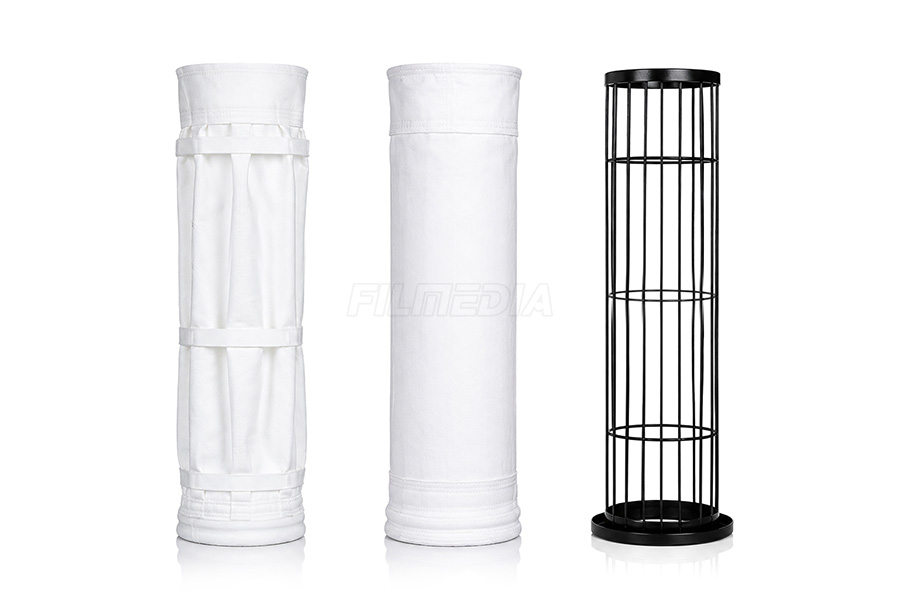
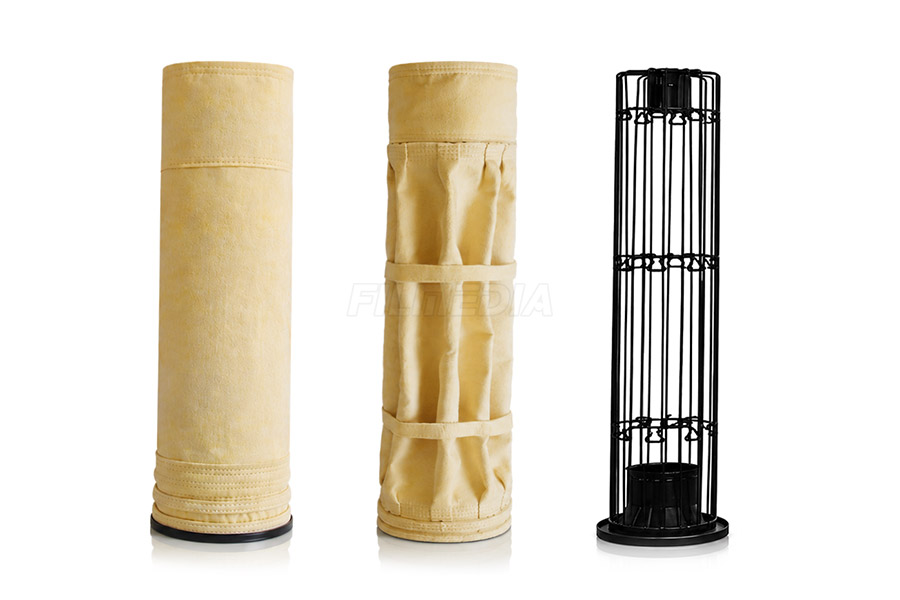
Fiberglass Needle Felt Filter Bags
Glass Fiber is a highly cost-effective inorganic filter media for high-temperature filtration applications. It is commonly manufactured as woven fiberglass fabric, fiberglass needle felt, or blended with other fibers such as in FMS filter media.
Temperature Resistance
- Continuous operating temperature: 240°C–260°C
- Peak operating temperature: above 280°C
Key Advantages
- Excellent dimensional stability: virtually no shrinkage or elongation at elevated temperatures.
- Cost-effective: among all filter media capable of operating above 200°C, fiberglass is generally the most economical option.
- Good chemical resistance: provides effective resistance to most acidic gases.
P84® (Polyimide) Needle Felt Filter Bags
P84 is a premium high-temperature synthetic fiber distinguished by its unique trilobal (multi-lobed) fiber cross-section.
Temperature Resistance
- Continuous operating temperature: 230°C–240°C
- Peak operating temperature: up to 260°C
Key Advantages
- Extremely high filtration efficiency: the unique trilobal fiber structure provides a significantly larger surface area than conventional round fibers.
- Superior fine particle collection capability, high air permeability, and low filtration resistance.
- Good resistance to acidic environments and oxidation.
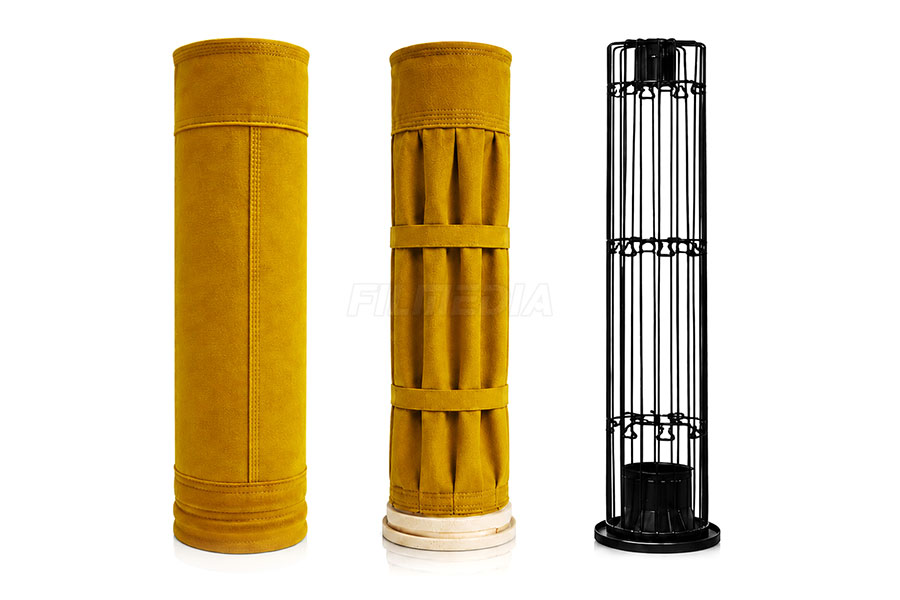
Safety and Process Requirements
- Ensure the filter bag cages, dust collector housing, and all related metal components are properly grounded, forming a complete conductive path for static electricity dissipation.
- The dust collection system should be equipped with explosion protection devices, including explosion relief vents, CO monitoring systems, inert nitrogen injection systems, and/or fire suppression sprinkler systems. Anti-static filter bags are only one component of a comprehensive explosion prevention strategy.
- The air-to-cloth ratio (filtration velocity) should be strictly controlled within 0.6–1.0 m/min. Excessive filtration velocity is strictly prohibited in high-concentration coal dust applications, as it increases explosion risk and accelerates filter bag wear.
- Before installation, the electrical resistance of the filter bags should be tested to ensure effective static dissipation. The recommended resistance range is 1 × 10⁶ to 1 × 10⁸ Ω. Excessively high resistance may result in failure of the anti-static function.