
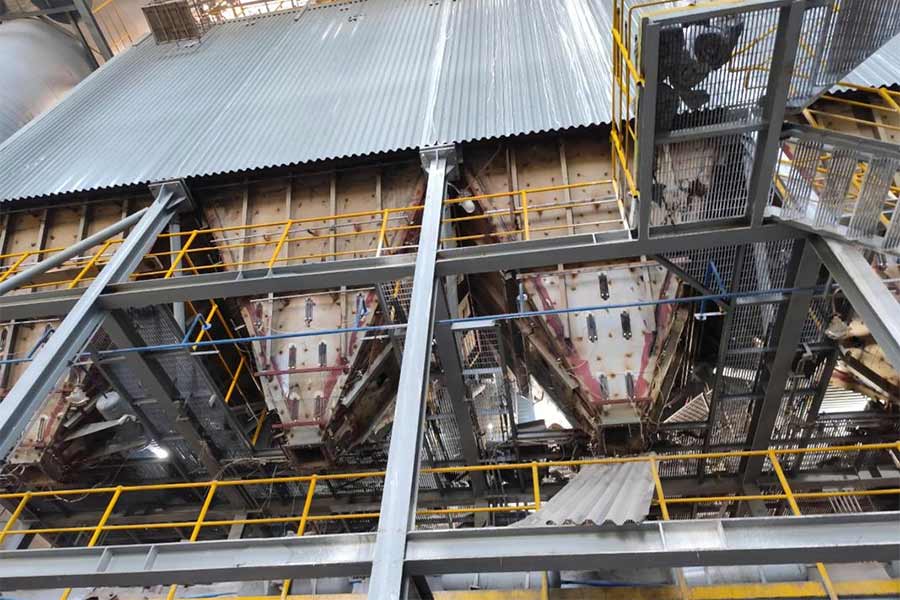
Causes of Dust Collector Corrosion
Corrosion is one of the leading causes of structural deterioration and premature failure in industrial dust collection systems, particularly affecting filter bags, filter cages, housings, and internal components. During operation, flue gas often contains a complex mixture of corrosive substances, including sulfur dioxide (SO₂), sulfur trioxide (SO₃), hydrogen chloride (HCl), nitrogen oxides (NOₓ), moisture, and other acidic compounds. Under elevated temperatures, the chemical activity of these contaminants increases significantly, accelerating corrosion throughout the filtration system.
The primary corrosion mechanisms include:
- Hydrolysis – Moisture reacts with filter media and structural materials, causing degradation of fibers and coatings.
- Oxidation – High-temperature oxygen attacks metal surfaces and certain filter materials, reducing mechanical strength.
- Acid Corrosion – Acidic condensates formed below the acid dew point aggressively attack steel components and filter cages.
- Alkaline Corrosion – Certain alkaline gases or dusts may also react with susceptible materials under specific operating conditions.
Among these mechanisms, hydrolysis and high-temperature oxidation are generally considered the most destructive, as they rapidly reduce the service life of filter bags and compromise the integrity of dust collector components.
Anti-Corrosion Measures for Dust Collectors
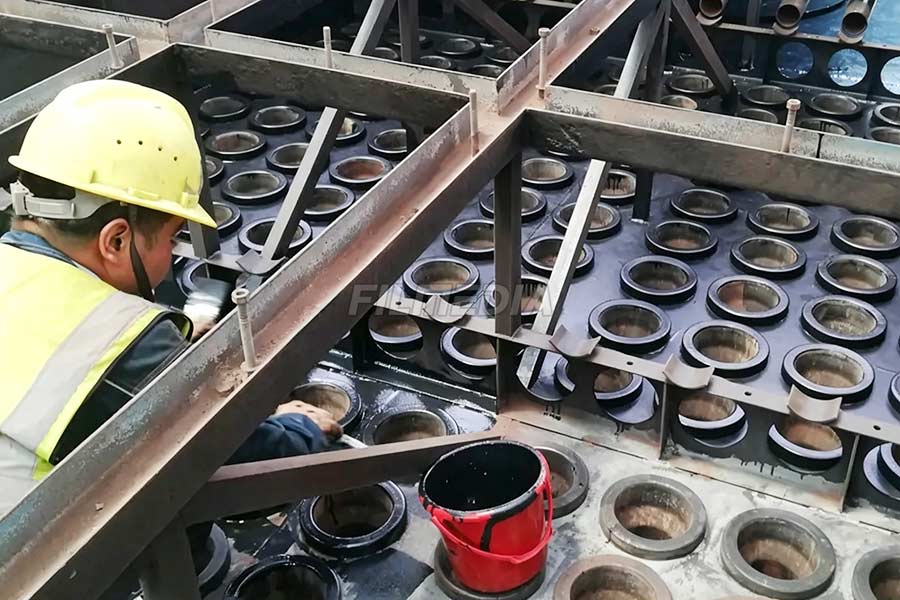
1. Use Corrosion-Resistant Materials and Protective Coatings
The first line of defense against corrosion is selecting appropriate construction materials and protective coatings according to the chemical composition of the flue gas, particularly its SO₂ concentration, moisture content, and operating temperature.
When designing and manufacturing dust collectors:
- Select corrosion-resistant steels or specialized alloys where required.
- Specify the appropriate surface preparation standard (rust removal grade).
- Define suitable primer and topcoat systems.
- Control the number of coating layers and dry film thickness (DFT).
- Ensure strict quality inspection during coating application.
The temperature resistance of the coating system should always exceed the maximum possible operating temperature of the flue gas to prevent coating degradation or peeling.
For highly corrosive applications, filter bag cages should be protected with epoxy powder coatings, asphalt-based coatings, or specialized high-temperature and high-humidity resistant coatings instead of conventional galvanizing.
Likewise, internal components—including the clean air plenum, blowpipes, tube sheets, and other exposed metal surfaces—should also be coated with industrial-grade anti-corrosion coatings rather than ordinary paint.
2. Improve System Sealing Performance
Air leakage is a major contributor to corrosion because it lowers the local gas temperature and increases the likelihood of condensation.
To minimize air infiltration:
- Ensure the dust collector housing is completely sealed.
- Seal all connecting ducts and auxiliary equipment.
- Maintain high manufacturing accuracy and installation quality.
- Perform continuous seal welding on all structural joints.
- Install high-temperature silicone rubber gaskets on access doors, inspection hatches, and maintenance openings.
A well-sealed dust collection system not only reduces corrosion risk but also improves filtration efficiency and lowers operating costs.
3. Control Flue Gas Temperature and Moisture
Maintaining proper operating temperature is one of the most effective methods for preventing corrosion.
Reducing the moisture content of the flue gas lowers the acid dew point, minimizing the formation of corrosive condensates. During operation, the flue gas temperature should always remain safely above the calculated acid dew point.
Industrial operating experience has shown that conventional safety margins are often insufficient due to process fluctuations, startup and shutdown cycles, and occasional air leakage. Therefore, for reliable long-term operation, it is recommended to maintain the operating flue gas temperature at least 30°C (54°F) above the acid dew point, especially in systems where minor air infiltration cannot be completely eliminated.
Maintaining this temperature margin effectively prevents localized condensation, reduces cold-spot corrosion, and significantly extends the service life of filter bags, filter cages, and dust collector structures.