
Home » Solid-Liquid Separation
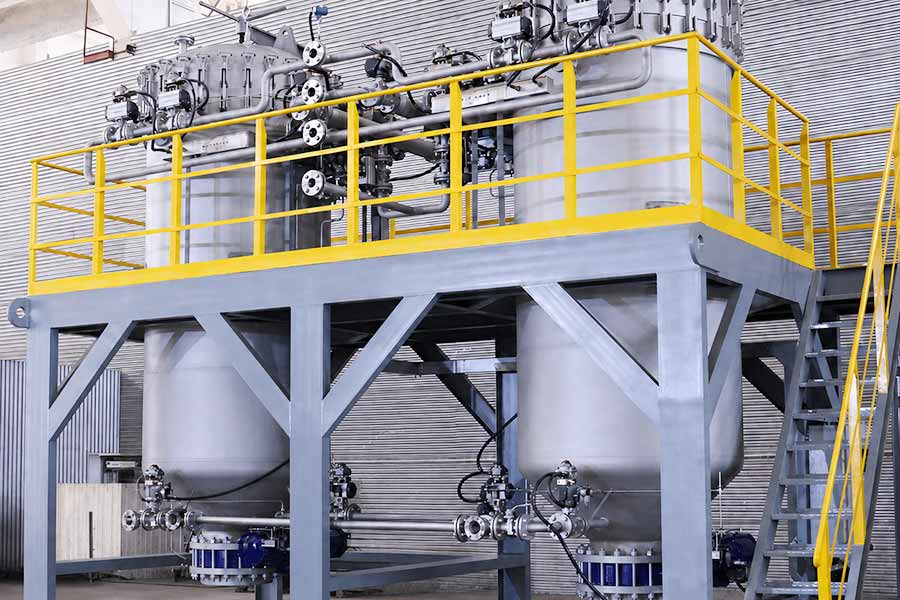
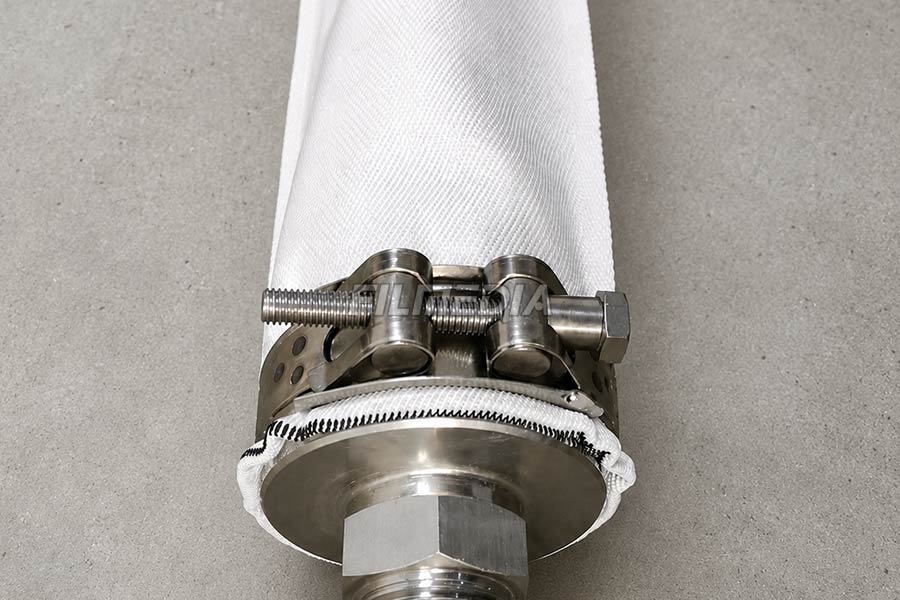
Seamless tube filter cloth is one of the most critical components used in candle filters, directly influencing filtration efficiency, product quality, and operating performance. The filter cloth is installed around the filter support structure and serves as the filtration medium, capturing and separating solid particles, suspended solids, and colloidal impurities from liquids or gases to achieve purification, clarification, or solid-liquid separation. Unlike sewn filter sleeves, seamless tube filter cloth is manufactured in a continuous tubular form without longitudinal seams. This seamless construction eliminates the risk of bypass leakage, provides uniform filtration across the entire surface, and offers greater mechanical strength and longer service life.
Filter Cloth Specifications
- Weaving Methods: Plain, Twill, Satin.
- Common Diameter: φ90, φ80, φ75, φ120.
Filter Cloth Materials
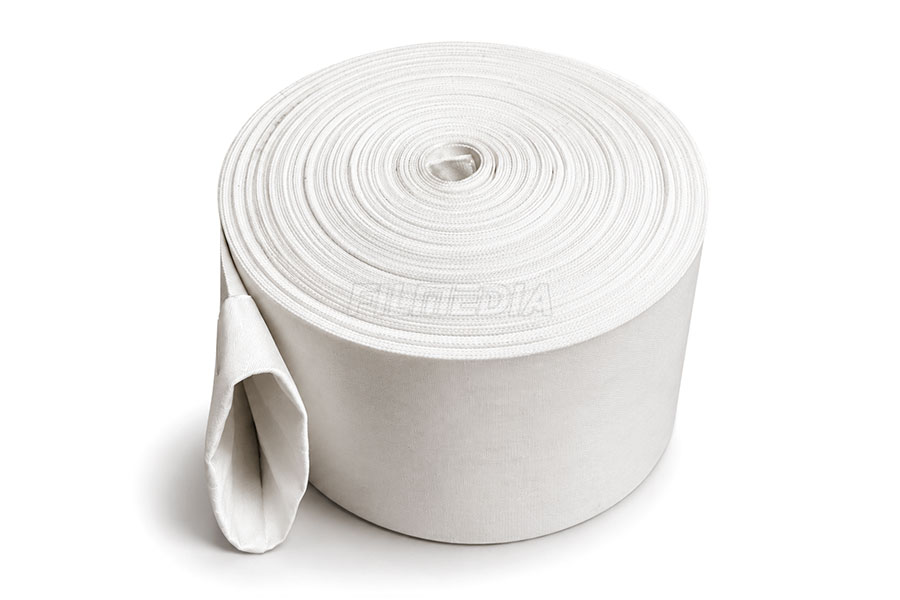
- Exceptional mechanical strength, wear resistance, and chemical stability under continuous high-temperature operation.
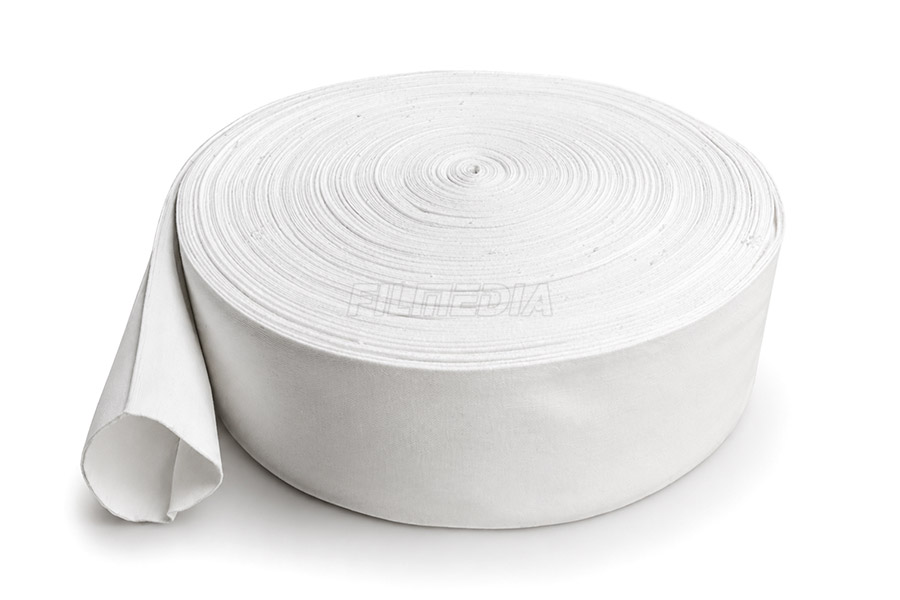
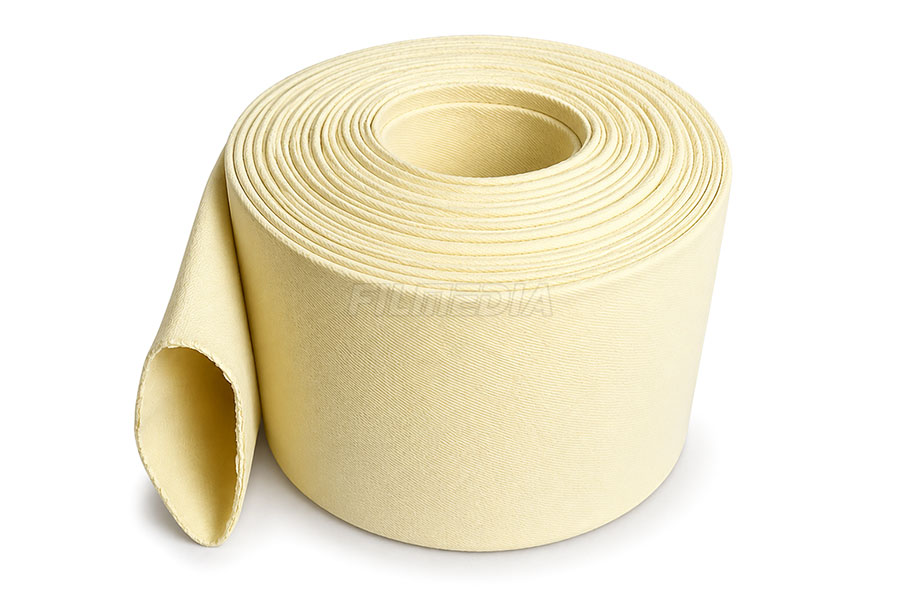
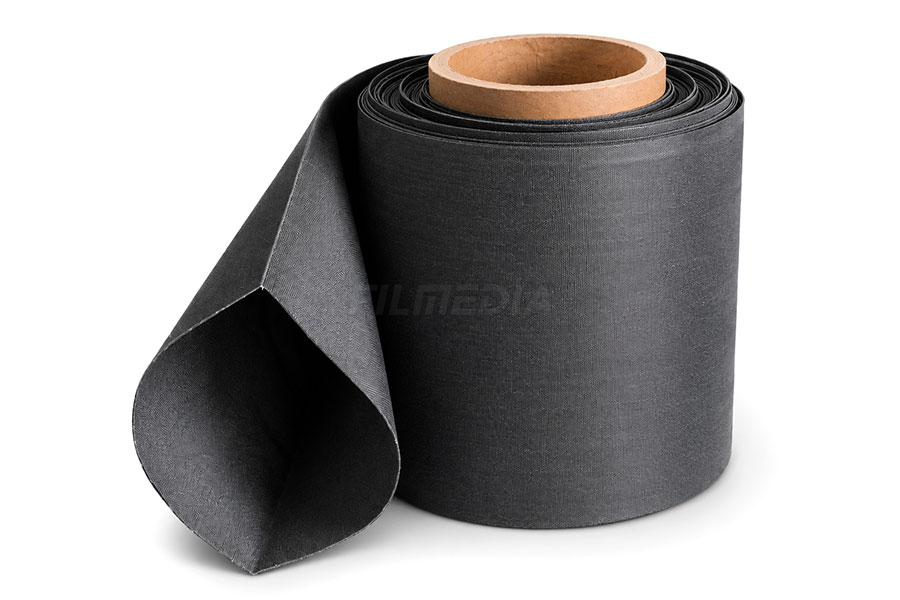
- Exceptional chemical inertness with outstanding corrosion and high-temperature resistance.
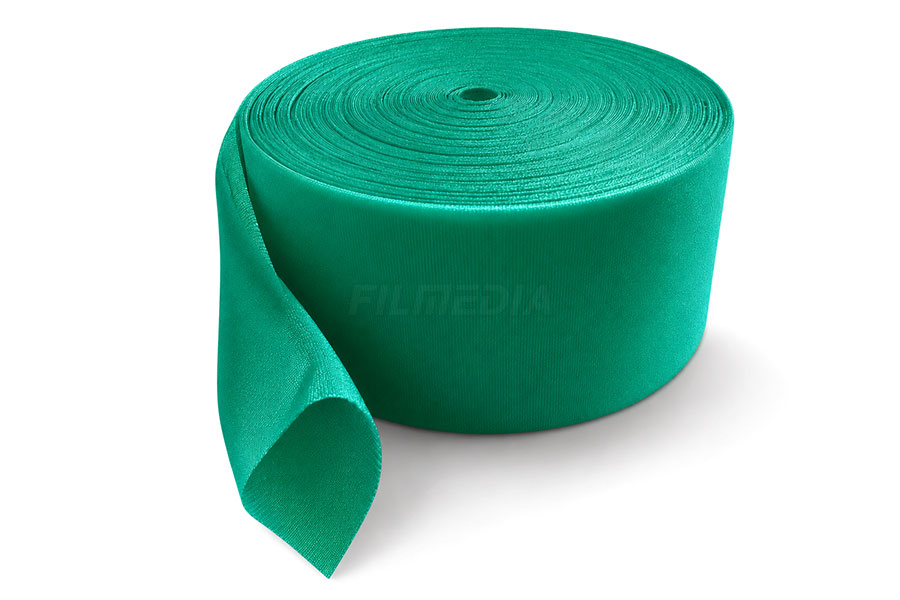
- Superior elasticity and wear resistance with a smooth surface that promotes easy filter cake release.
Working Principle
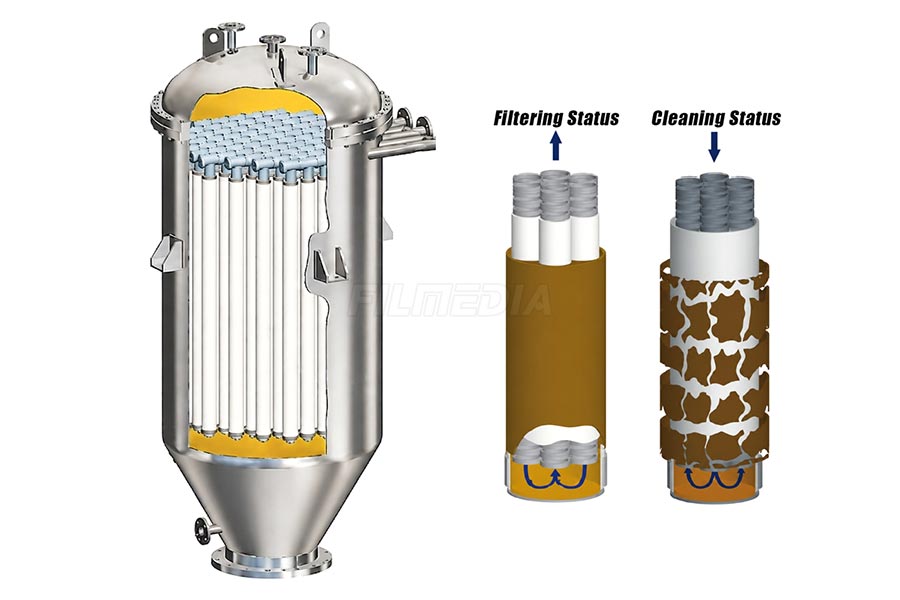
01. Filtering Status
When liquid passes through the filter cloth, solid substances from the liquid gradually accumulate on the surface. When these solid substances reach a certain thickness, a so-called “filter cake layer” is formed. Because the gaps between the particles in the filter cake layer are very small, it prevents particulate impurities in the liquid from escaping, thus clarifying the filtrate and achieving the required filtration effect for production.
02. Cleaning Status
After normal filtration for a period of time, if the filter cake layer exceeds a certain thickness, the rate at which the filtrate passes through the filter cake layer decreases, and the filtration efficiency deteriorates. It is then necessary to remove the “filter cake layer.” At this time, the system will perform a reverse blowing and cake removal operation based on signals provided by the pressure sensor, while simultaneously opening the valve at the bottom of the cylinder to discharge slag. Then, a new “filter cake layer” is rebuilt, and a new filtration cycle begins.
Typical Application Industries
- Chemical Industry
- Fine Chemical Industry
- Pharmaceutical Industry
- Food & Beverage Industry
- Edible Oil Filtration
- Sugar Processing Industry
- Mining & Metallurgical Industry
- Water & Wastewater Treatment
- Catalyst Recovery
- Pigment & Dye Production
- Resin & Polymer Filtration
- Biodiesel & Renewable Energy Industry