
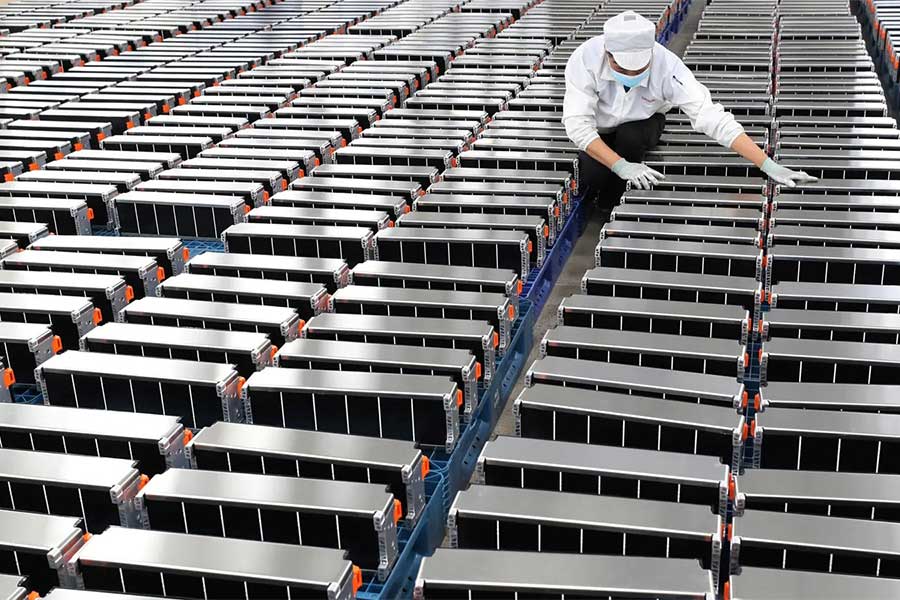
The manufacturing and recycling of lead-acid and lithium batteries involve multiple processes that generate dust and fine particulates, including raw material handling, mixing, crushing, screening, powder conveying, and electrode material processing. Effective dust collection is crucial for maintaining a clean production environment, protecting equipment, reducing airborne particulate emissions, and complying with environmental regulations.
Battery Manufacturing Processes Most Relevant to Dust Collection Filter Bags
| Production Process | Main Dust Types or Particles |
|---|---|
| Raw Material Unloading and Feeding | Graphite, carbon black, and cathode material powders |
| Powder Mixing and Batching | Active material powders and conductive additives |
| Electrode Calendering, Slitting, and Notching | Electrode scraps, fine active material particles, and metal particles |
| Powder Grinding and Screening | Fine powders and particulate matter |
| Battery Crushing and Recycling | Black mass, graphite, metals, and mixed dust |
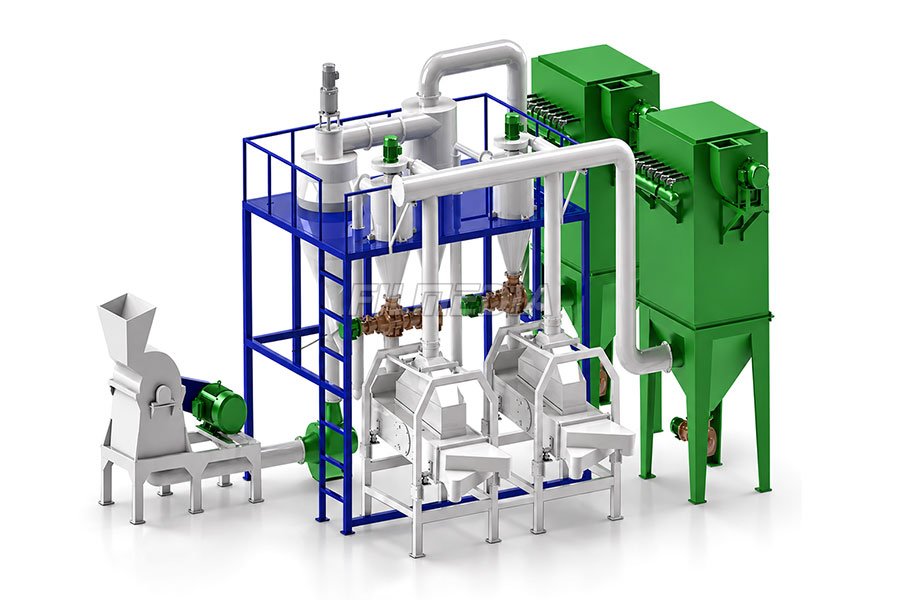
Key Performance Requirements for Dust Collection Filter Bags in Battery Plants
Dust collection filter bags used in battery manufacturing must withstand demanding operating environments. Selecting the appropriate filter media helps ensure filtration reliability, extend service life, and maintain consistent dust collection performance.
- High-Temperature Resistance
Certain battery production processes involve high operating temperatures or temperature fluctuations. Filter media must maintain structural integrity and filtration performance at actual operating temperatures while also withstanding short-term temperature spikes.
- Excellent Abrasion and Flex Fatigue Resistance
Fine dust and abrasive particles can gradually wear down filter media fibers, while repeated cleaning cycles cause the bags to undergo continuous flexing and stretching. Superior abrasion and flex fatigue resistance help minimize fiber damage, reduce the risk of premature bag failure, and extend service life.
- Excellent Chemical Resistance
Depending on the specific process, battery manufacturing may involve acidic or alkaline substances, electrolyte-related compounds, solvents, and other chemically active materials. Filter media must be selected based on specific chemical composition, concentration, temperature, and humidity conditions to prevent chemical degradation.
- Good Dimensional Stability
Dimensionally stable filter media help the bags retain their shape during operation, temperature cycling, and repeated cleaning. Good dimensional stability ensures reliable sealing and stable airflow, while reducing the risk of bag deformation or installation difficulties.
Filmedia® Dust Collection Filter Bags for Battery Manufacturing
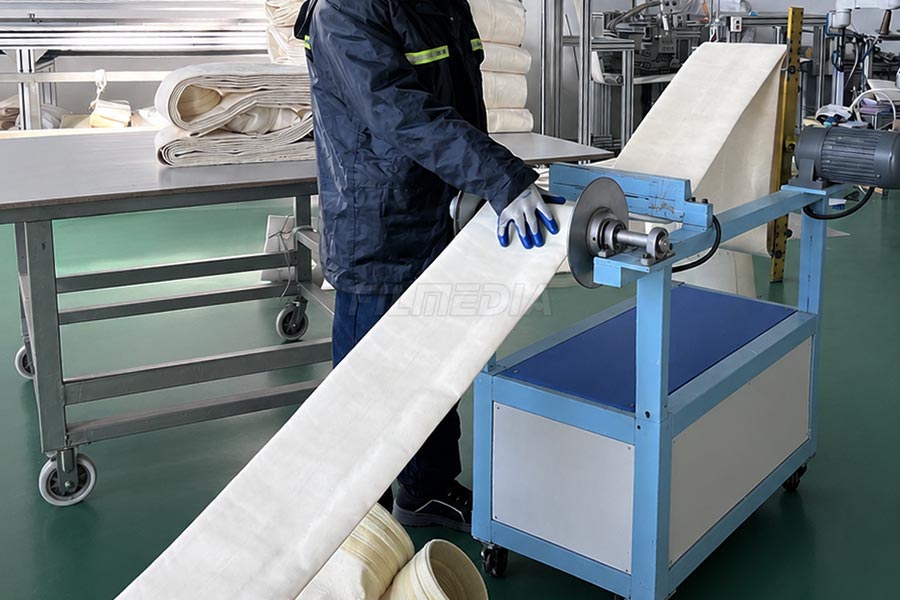
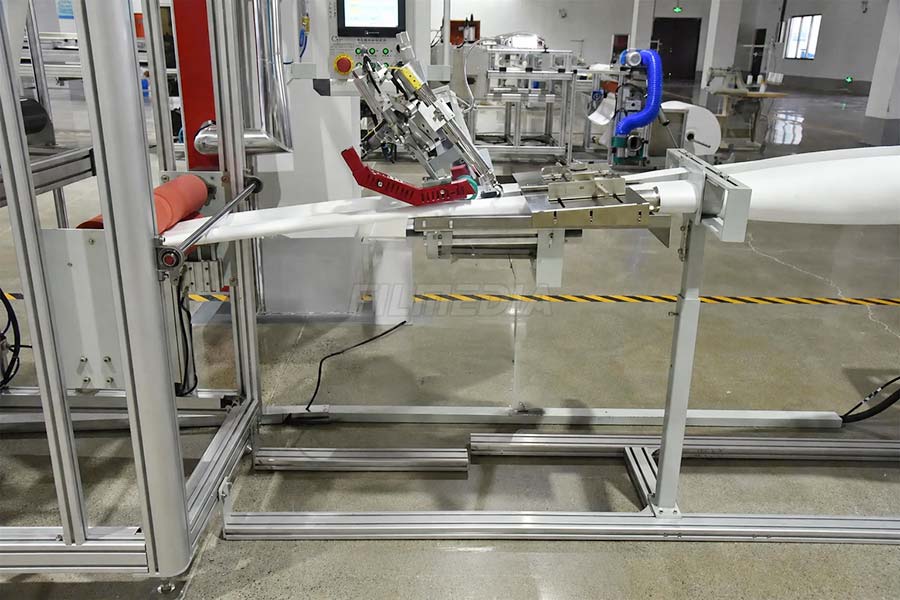
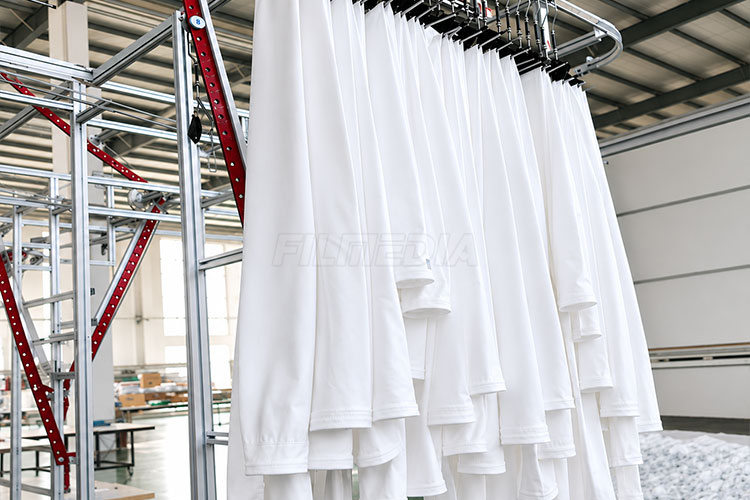
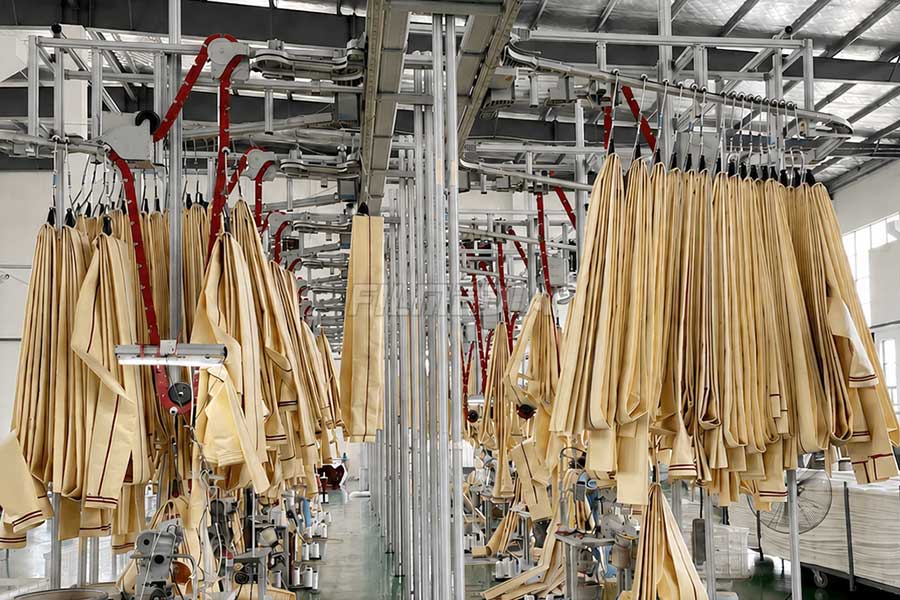
Filmedia® supplies industrial dust collection filter bags to battery manufacturing plants, offering a wide range of filter media tailored to specific dust characteristics, operating temperatures, chemical environments, and dust collection system requirements. Our filtration solutions help enterprises enhance filtration efficiency, ensure the stable operation of dust collection equipment, and meet applicable particulate emission standards. We maintain strict quality control across every stage of production—from the selection of filter media and fabric inspection to cutting, sewing, finishing treatments, and final inspection. Whether you require standard-specification bags or customized filtration solutions, Filmedia® can assist you in selecting the appropriate filter media and specifications to meet the specific requirements of your dust collection system.
Which Filter Materials Are Suitable for Battery Factories?
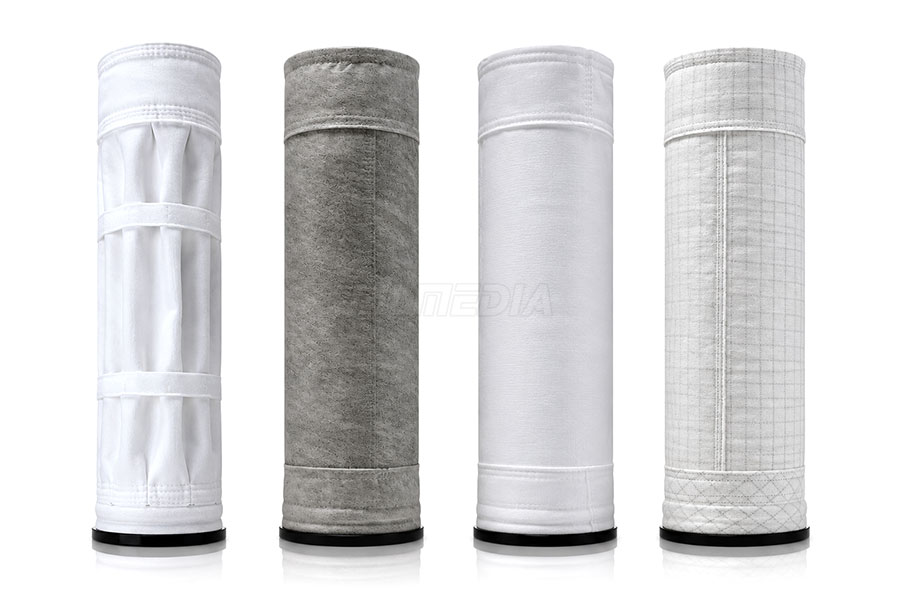
- Typical Operating Temperature: ≤130°C
- Key Advantages: Good abrasion resistance and mechanical strength.
- Typical Applications: General dust collection at ambient and moderate temperatures.
- Selection Considerations: Not suitable for prolonged high-temperature exposure or strongly alkaline environments.
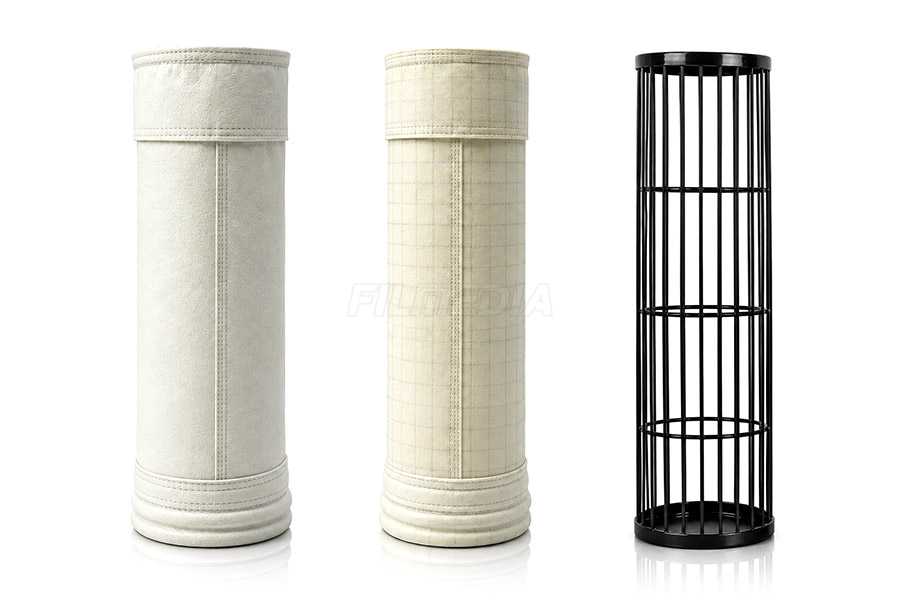
- Typical Operating Temperature: ≤120–130°C
- Key Advantages: Suitable for certain acidic and humid environments.
- Typical Applications: Specialized chemical dust filtration.
- Selection Considerations: Confirm fiber type and resistance to hydrolysis.
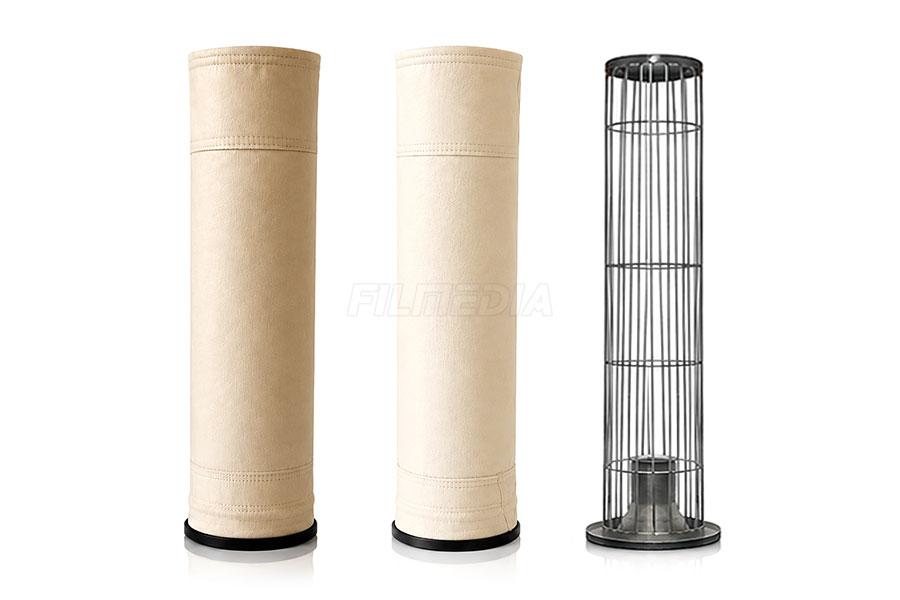
- Typical Operating Temperature: ≤190°C
- Key Advantages: Good heat resistance and resistance to many chemical agents.
- Typical Applications: Selected high-temperature industrial dust collection applications.
- Selection Considerations: Consider oxidation, acid and alkali exposure, and actual gas composition.
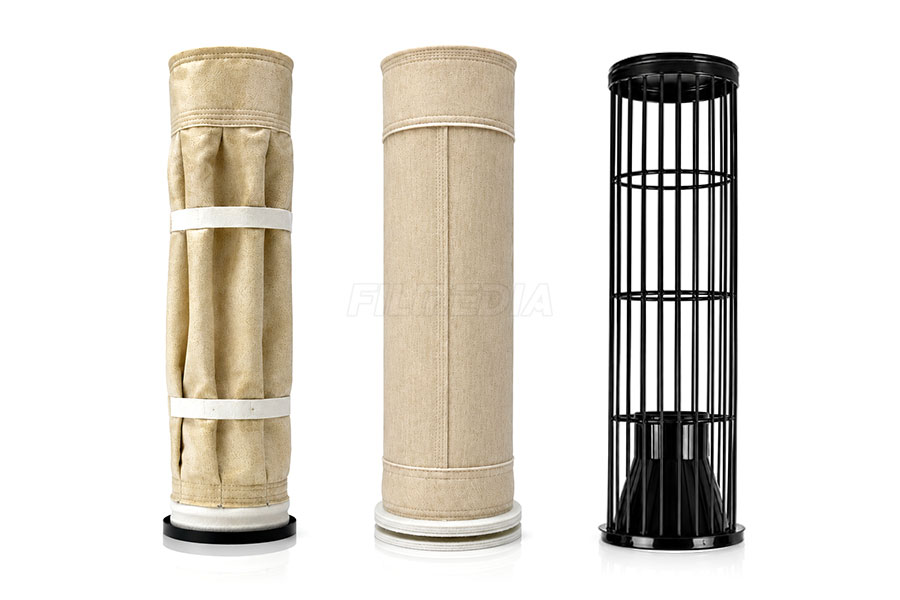
- Typical Operating Temperature: ≤200°C
- Key Advantages: Good heat resistance, high mechanical strength, and abrasion resistance.
- Typical Applications: Selected high-temperature dust filtration applications.
- Selection Considerations: Evaluate the risks of hydrolysis and chemical degradation.
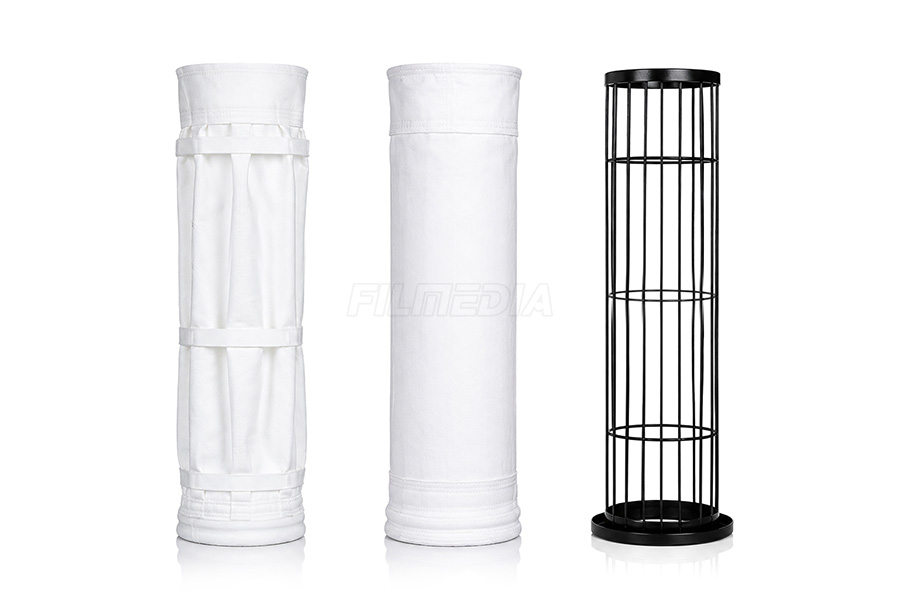
- Typical Operating Temperature: ≤260°C
- Key Advantages: Excellent high-temperature capability and chemical resistance.
- Typical Applications: Demanding chemical dust filtration applications.
- Selection Considerations: Higher cost; select the appropriate filter media construction according to operating conditions.