
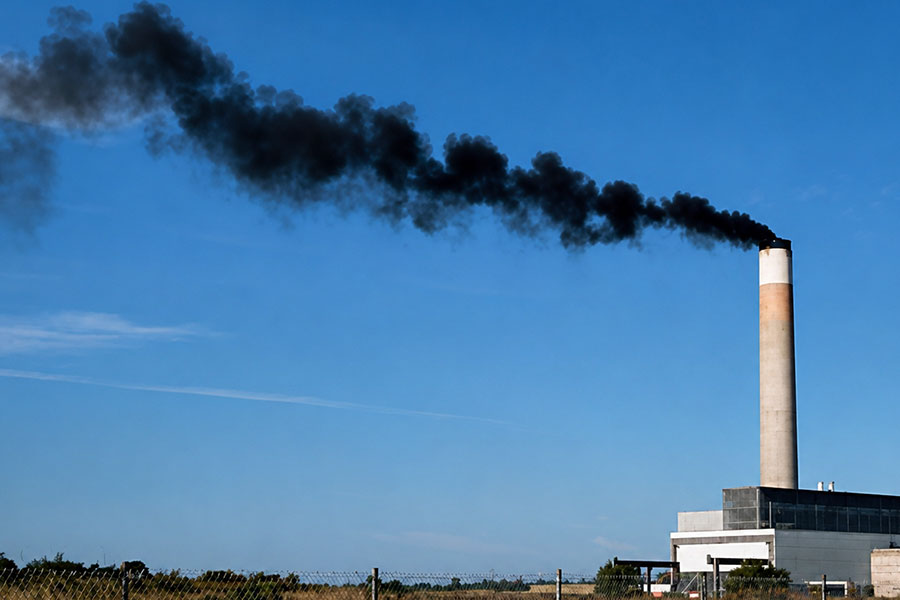
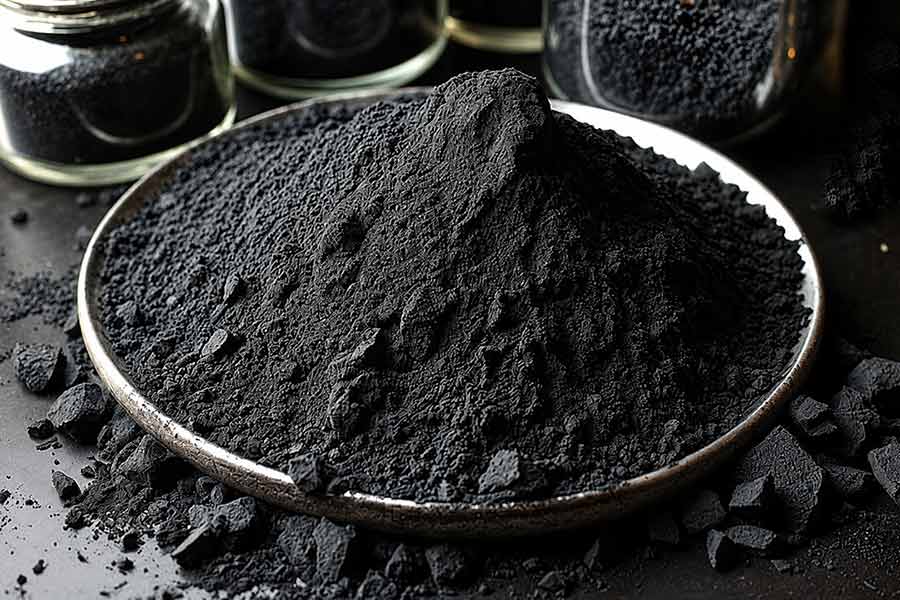
Carbon black is a black powdery substance characterized by a high specific surface area, good electrical conductivity, and high-temperature resistance; it is widely used in industries such as rubber, plastics, ink, and textile printing and dyeing. However, the production process generates significant amounts of dust. Therefore, dust collection filter bags are required to filter out this dust, ensuring a clean production environment and the proper operation of production equipment.
☑ Dust Control
The carbon black manufacturing process generates large quantities of respirable particulate matter, which poses serious risks to worker health and environmental hygiene. Bag filters effectively control dust emissions by capturing and filtering these particles, thereby safeguarding both indoor and outdoor air quality.
☑ Energy Conservation and Emission Reduction
The operation of bag filters in carbon black plants reduces energy consumption and effectively lowers carbon black particle emissions. Through high-efficiency filtration, these plants can purify exhaust gases and meet environmental protection standards.
Critical Dust Collection Stages
- Main Reactor Tail Gas Treatment
Handles the high-temperature, high-humidity carbon black flue gas mixture—containing combustible gases—discharged from the reaction furnace.
- Carbon Black Conveying and Air Classification System
Ensures efficient product capture and gas-solid separation during the conveying, classification, and packaging stages of the finished product.
- Tail Gas Boiler Flue Gas Cleaning
Provides final purification and treatment of the flue gas from the waste heat boiler following tail gas utilization.
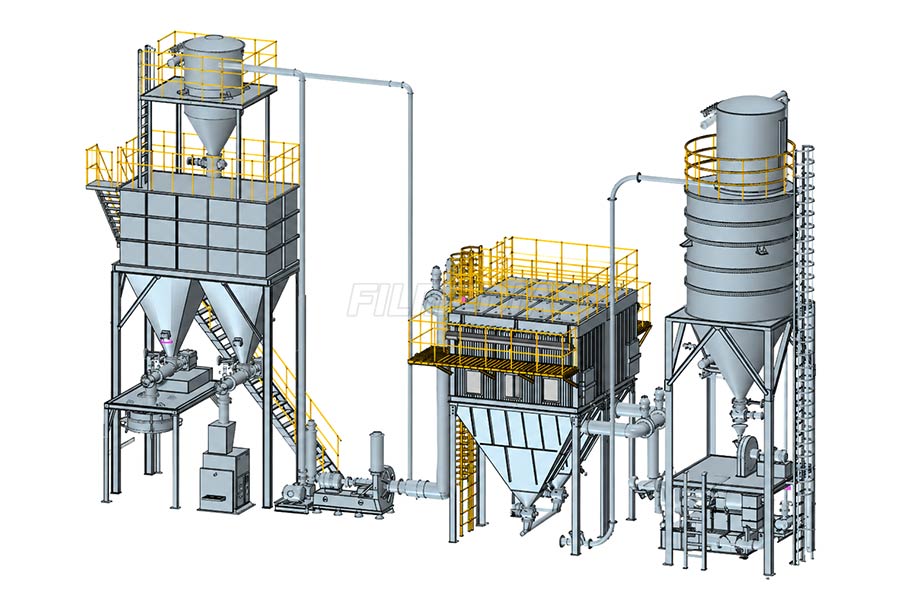
Working Principle of Bag Filters
The working principle of bag filters in carbon black plants is relatively straightforward. Gas containing carbon black particles enters the filter; as the airflow passes through the filter bags, the particles are captured and retained on the bag surfaces, while the purified gas passes through and is ultimately discharged via the outlet. Once a certain amount of particulate matter has accumulated on the bags, the cleaning system activates—using methods such as pulse-jet cleaning or mechanical vibration—to dislodge the particles and restore the bags’ filtration performance. The cleaning cycle can be adjusted based on actual production conditions to ensure the filter operates efficiently.
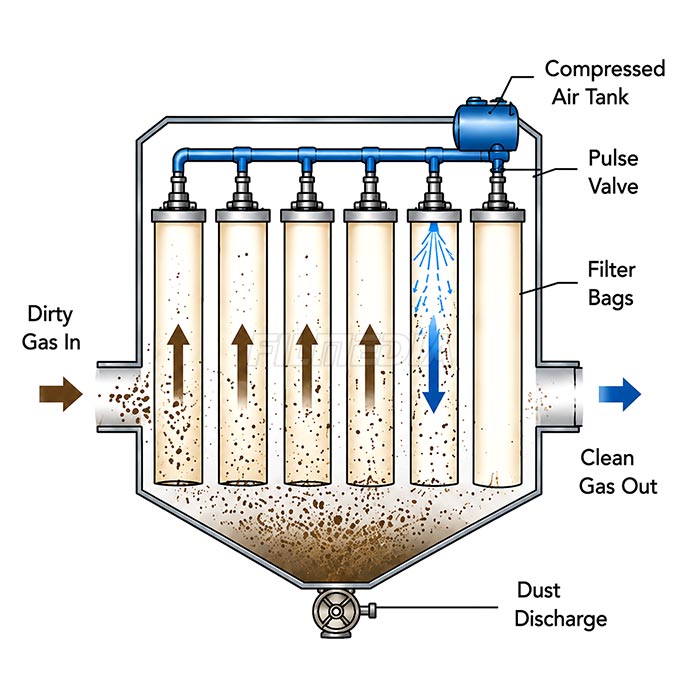
Pulse Jet Baghouse
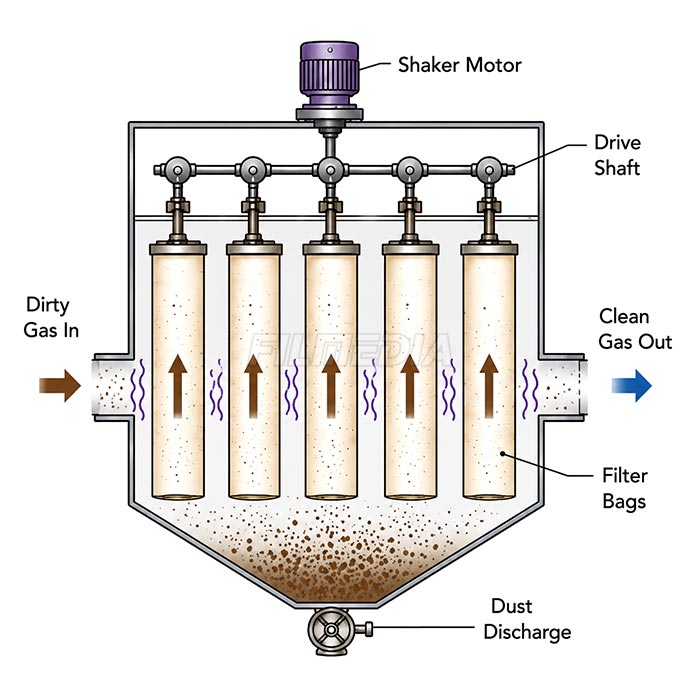
Shaker Baghouse
How to Choose the Right Filter Media?
The production of carbon black generates large quantities of ultrafine dust characterized by fine particle size, high concentration, and high abrasiveness; furthermore, operating temperatures can be elevated in certain processes. Consequently, stringent demands are placed on the filtration efficiency, temperature resistance, and dust-cleaning performance of filter bags. Selecting the appropriate filter bag material is crucial for ensuring the long-term, stable operation of the dust removal system.
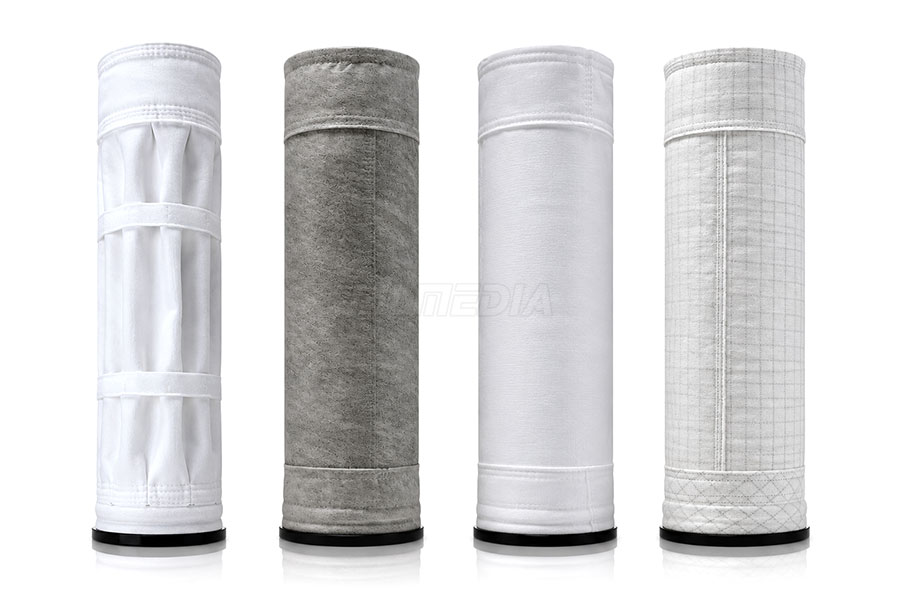
- Excellent mechanical strength and abrasion resistance
- Cost-effective solution with outstanding overall performance
- Suitable for low- to medium-temperature operating conditions
- Can be treated with water and oil repellent finishes to improve resistance to condensation and bag blinding
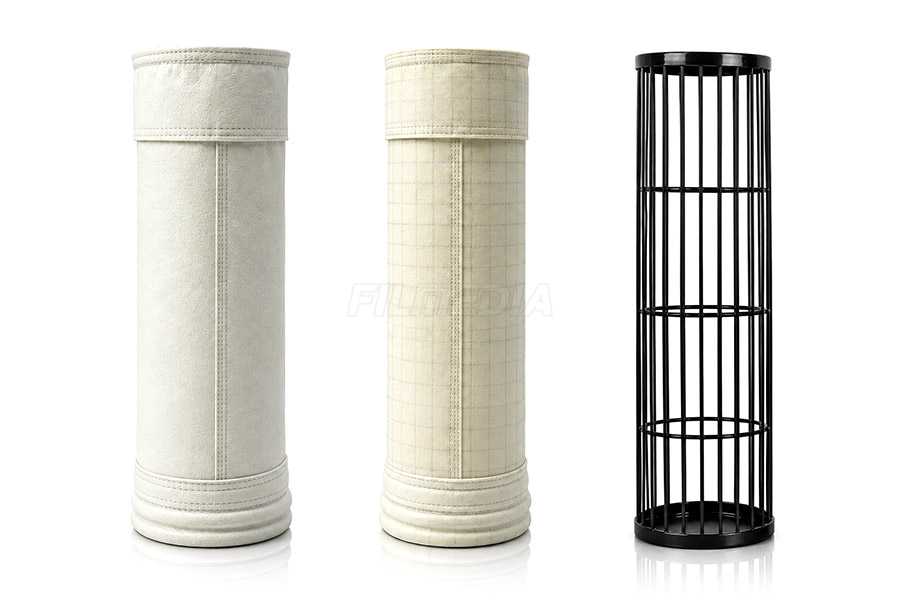
- Excellent resistance to acids and alkalis
- Superior hydrolysis resistance
- Ideal for humid and corrosive flue gas environments
- Stable performance with a long service life
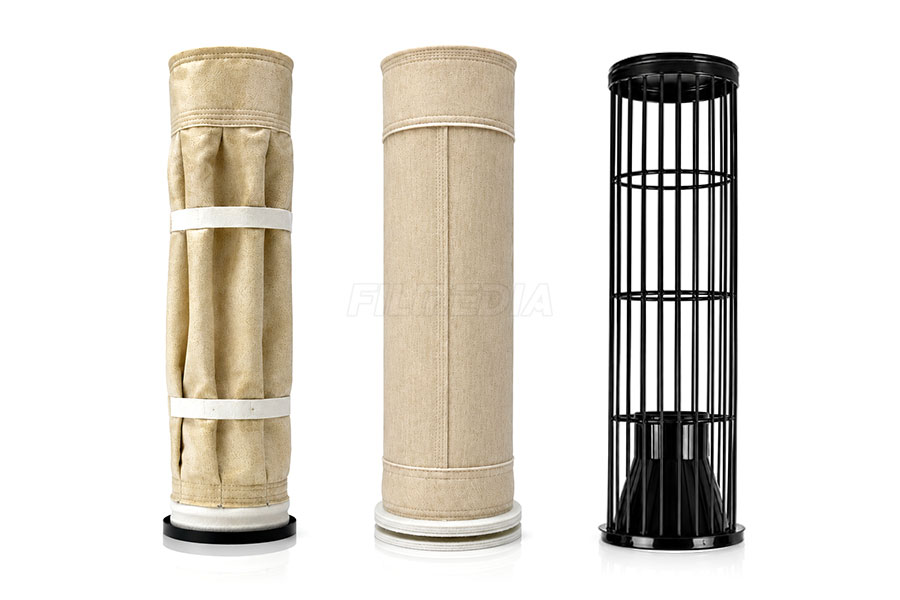
- Continuous operating temperature above 200°C
- Outstanding high-temperature resistance
- Excellent abrasion resistance and dimensional stability
- Suitable for high-temperature carbon black tail gas filtration systems
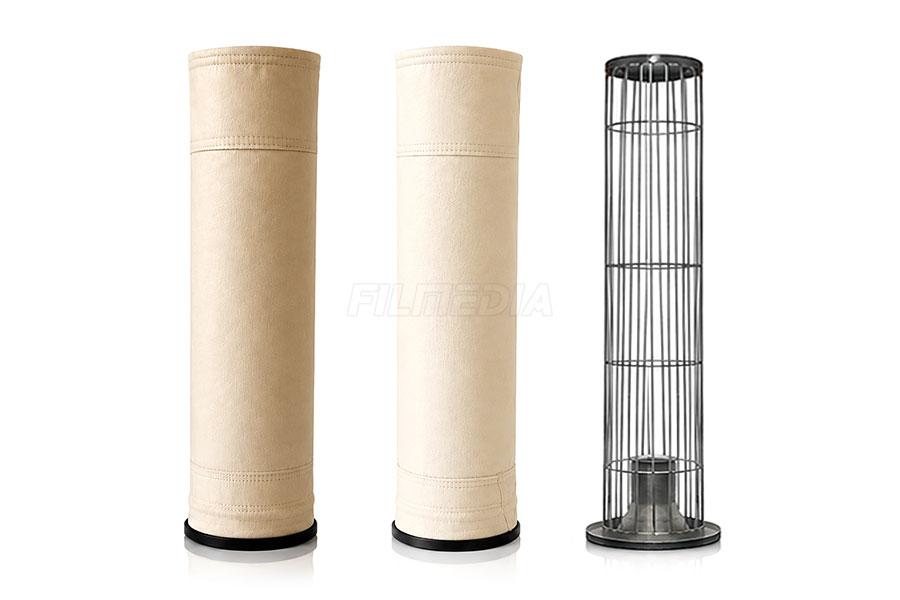
- Exceptional acid resistance and chemical corrosion resistance
- Suitable for sulfur-containing flue gas environments
- Widely used in high-temperature exhaust gas treatment systems and carbon black tail gas filtration applications